Florida
3508 distinct titles banned across 40 districts

Districts
Banned Books
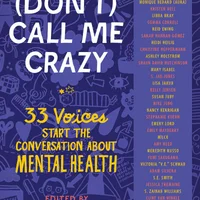 (Don't) Call Me Crazy
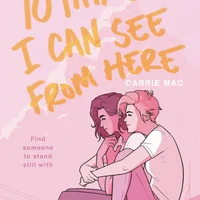 10 Things I Can See From Here
 100 Characters from Classical Mythology
 100 Sideways Miles
 1215: THE YEAR OF MAGNA CARTA
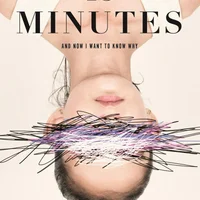 13 Minutes
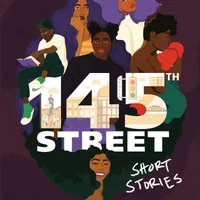 145th Street: Short Stories
 17 First Kisses
 1922
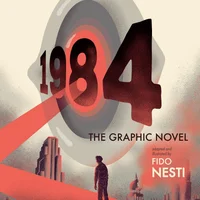 1984: The Graphic Novel
 1Q84
 1st to Die
 21 Proms
 2nd Chance
 33 Snowfish
 34 Pieces of You
 37 Things I Love (in No Particular Order)
 3rd Degree
 4th of July
 9 Days and 9 Nights
 92 Pacific Boulevard
 96 Words for Love
 99 Days
 A Bad Boy Can Be Good for a Girl
 A Bad Kitty Christmas
 A Bend in the Road
 A Breath of Snow and Ashes
 A Certain Slant of Light
 A Clash of Kings
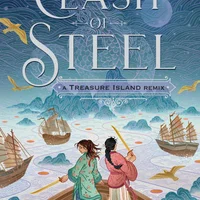 A Clash of Steel: A Treasure Island Remix
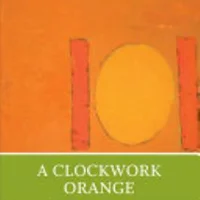 A Clockwork Orange
 A Complicated Love Story Set in Space
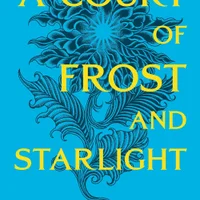 A Court of Frost and Starlight
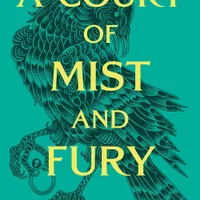 A Court of Mist and Fury
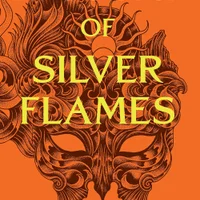 A Court of Silver Flames
 A Court of Thorns and Roses
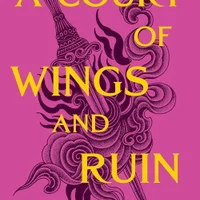
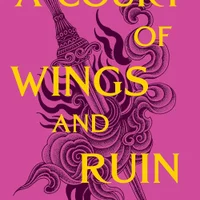 A Court of Wings and Ruin
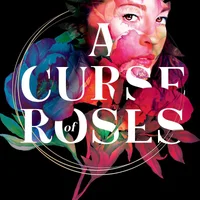 A Curse of Roses
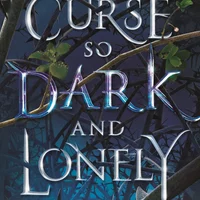 A Curse So Dark and Lonely
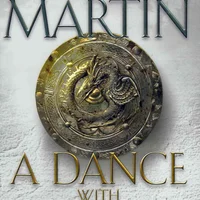 A Dance with Dragons
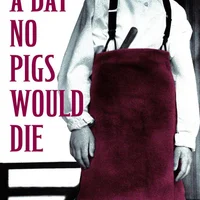 A Day No Pigs Would Die
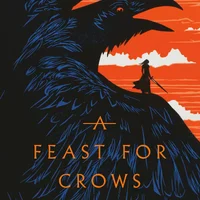 A Feast for Crows
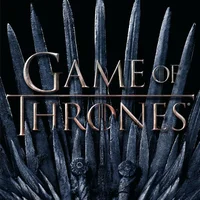 A Game of Thrones
 A Gathering of Old Men
 A Girl Like That
 A Good Girl's Guide to Murder
 A Good Idea
 A Good Man Is Hard To Find And Other Stories
Frequently Asked Questions
How many books are banned in Florida?
PEN America has documented 3,508 distinct book titles banned in Florida public school districts, across 40 districts.
Which Florida school districts have banned the most books?
The districts with the most banned titles are Escambia County Public Schools (1,599), Clay County School District (854), Orange County Public Schools (730), Hillsborough County Public Schools (585), and Union County School District (542).
What are the most commonly banned books in Florida?
The titles banned in the most Florida districts are Water for Elephants (21 districts), Forever . . . (19 districts), Storm and Fury (19 districts), A Clockwork Orange (18 districts), and Tilt (18 districts).
Book Bans in Florida
Florida school districts have collectively banned or challenged 3,508 distinct book titles, with at least one ban recorded in 40 school districts across the state. The activity is heavily concentrated rather than evenly spread: Escambia County Public Schools alone accounts for 1,599 titles, more than any other district in the state and close to half of Florida's total. Clay County School District follows with 854 titles, meaning these two districts together represent the large majority of all tracked bans statewide. A second tier of districts — including Orange County, Hillsborough County, Union County, Collier County, Lee County, and Volusia County — each contribute a smaller but still substantial number of titles, while the remaining districts in the state show far fewer bans by comparison.
Context
Florida's pattern of book removals is closely tied to Florida House Bill 1467 (2022) (bill text), which established new requirements for how school districts select, catalog, and make available library and instructional materials. In general terms, the law requires that library media collections be curated by a certified media specialist, that lists of available materials be publicly accessible, and that districts adopt a formal process for reviewing objections raised by parents or residents about specific titles. Provisions of this kind have given individual districts substantial discretion in how aggressively they screen or remove materials, which helps explain why the data shows such a sharp divide between a handful of districts with very large numbers of challenged titles and the many others with only a handful. Rather than a uniform statewide pattern, Florida's numbers reflect how a small number of districts have applied review and removal processes far more extensively than the rest.