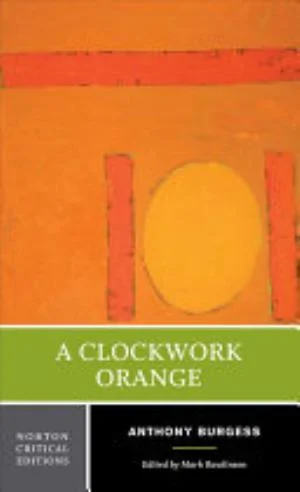
A Clockwork Orange
- Publication Date:
- January 1st, 2011
- Publisher:
- W W Norton & Company Incorporated
- ISBN-13:
- 9780393928099
- ISBN-10:
- 0393928098
- Pages:
- 357
Why A Clockwork Orange Has Been Challenged
Objections to the novel center overwhelmingly on its content rather than its ideas: Alex's crimes include graphic beatings and sexual assault, rendered in prose that does not look away from brutality, and critics of the book in schools and libraries have argued that the violence is too explicit and too casually narrated for younger readers. See more ↓
Challenged or banned in 3 states across 27 school districts.
Overview
Anthony Burgess's 1962 novel imagines a near-future Britain where teenage gangs roam the night, and follows Alex, a charismatic and violent young man who narrates his crimes in Nadsat, a slang Burgess invented by fusing English with Russian-derived words. The style forces readers into an uncomfortable intimacy with a character whose actions are repellent even as his voice is inventive and, at times, darkly funny.
After Alex is caught and imprisoned, the state subjects him to an experimental aversion treatment designed to strip away his capacity for violence. The novel's second half turns from Alex's crimes to what is done to him, raising the question of whether a man engineered into good behavior can still be said to possess a conscience.
Burgess wrote the book as a compact, unsettling thought experiment rather than a straightforward crime story, and its blend of invented language, dark comedy, and philosophical inquiry has made it a fixture of discussions about free will and the limits of state power.
Context and Legacy
A Clockwork Orange is often read less as a novel about juvenile violence than as an argument about moral agency: Burgess, a lapsed Catholic troubled by behaviorist psychology, wanted to test whether choosing evil might be preferable to having goodness imposed from outside. That question is dramatized through the Ludovico Technique, the fictional conditioning process used on Alex, which has since become shorthand in wider culture for coercive psychological reform.
The book's reputation was reshaped by Stanley Kubrick's 1971 film adaptation, which amplified its visual and sexual content and drew it into broader controversies over screen violence, at times overshadowing the novel's more restrained literary concerns. Burgess himself later expressed ambivalence about the book's fame, noting that American editions for years omitted his original final chapter, which offers a more redemptive resolution than the ending most readers encountered. That editorial history has fed ongoing debate about the author's actual intent versus the darker, truncated version that circulated for decades.
Why A Clockwork Orange Has Been Challenged
Objections to the novel center overwhelmingly on its content rather than its ideas: Alex's crimes include graphic beatings and sexual assault, rendered in prose that does not look away from brutality, and critics of the book in schools and libraries have argued that the violence is too explicit and too casually narrated for younger readers. The invented Nadsat vocabulary, while softening some of the shock through unfamiliar words, has not spared the book from concerns about its frank depiction of rape and assault, or from broader unease about a narrator who commits terrible acts with evident relish.
Some challenges have also cited the book's amorality — its refusal to condemn Alex outright and its interest in whether coerced goodness is worth having — as inappropriate for a curriculum setting, even though that ambiguity is central to Burgess's philosophical purpose. In this catalog, the novel has been the subject of challenges or bans recorded in 3 states and 27 districts, reflecting how frequently its violent and sexual content, rather than its literary or ethical arguments, has driven objections.
Where to Buy




Affiliate links may generate a small commission at no extra cost to you, which helps support this site.
About Anthony Burgess
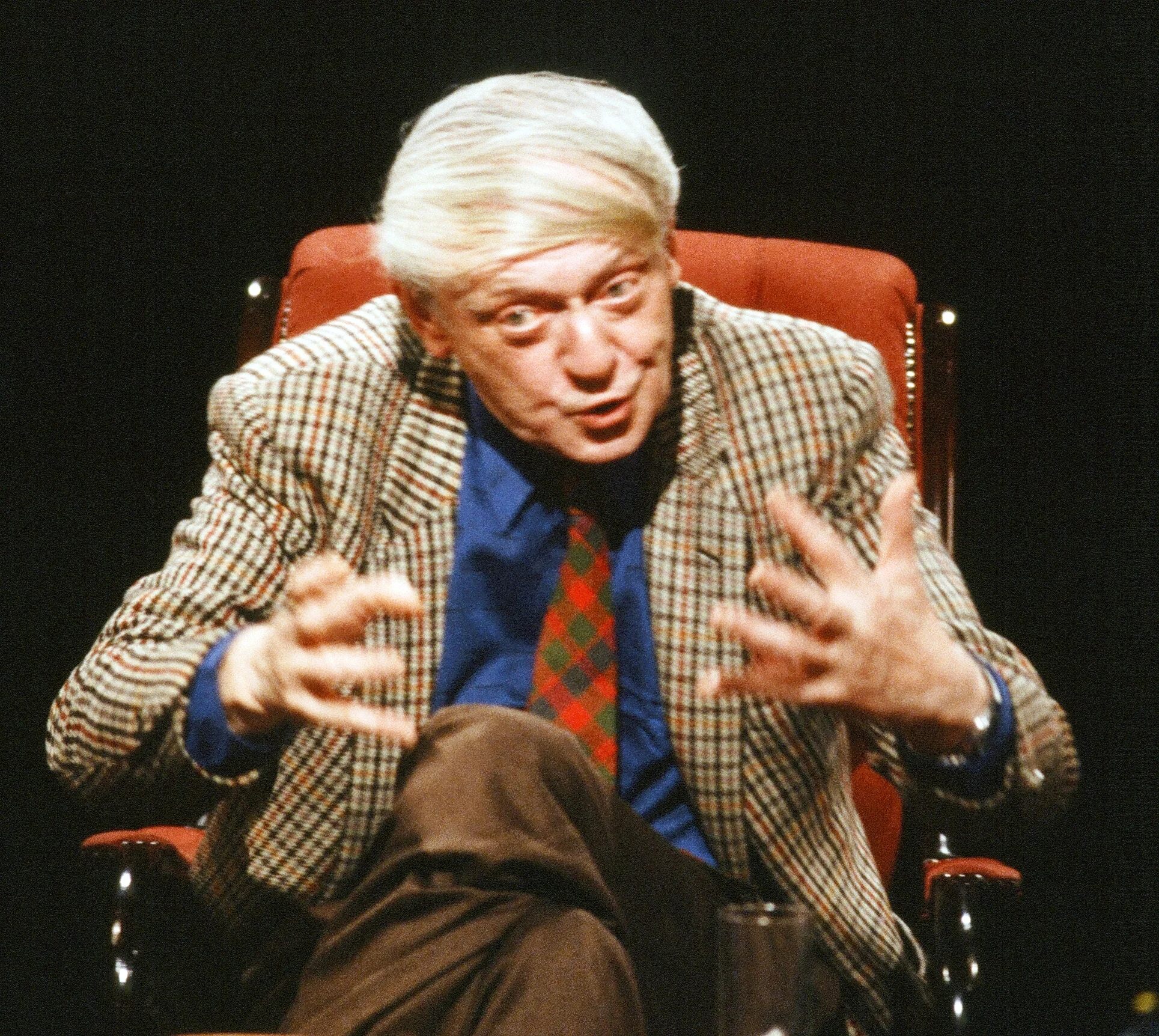
Anthony Burgess (1917–1993) was an English novelist, critic, and composer best known for A Clockwork Orange (1962), a dystopian satire about free will that was adapted into Stanley Kubrick's controversial 1971 film. A prolific writer across more than fifty books, he also produced acclaimed novels about Shakespeare and Napoleon, screenplays, and critical studies of James Joyce and other writers. Burgess taught and worked in the British Colonial Service in Malaya before turning to writing full time in 1959. A Clockwork Orange has been challenged in American schools and libraries for its graphic violence since its publication.
Banned in Schools
Banned or challenged in 3 states across 27 school districts.
Florida 18 districts
- Alachua County Public Schools Banned pending investigation
- Broward County Public Schools Banned Pending Investigation
- Clay County School District Banned
- Escambia County Public Schools Banned pending investigation
- Flagler Schools Banned
- Hillsborough County Public Schools Banned
- Lee County Schools Banned
- Nassau County School District Banned
- Okaloosa County School District Banned
- Orange County Public Schools Banned
- Pasco County Schools Banned
- Pinellas County Schools Banned
- Polk County Public Schools Banned pending investigation
- Santa Rosa County Schools Banned
- School District of Palm Beach County Banned
- St. John's County School District Banned
- Union County School District Banned
- Volusia County Schools Banned Pending Investigation
Tennessee 4 districts
- Knox County Schools Banned
- Oak Ridge Schools Banned
- Rutherford County Schools Banned
- Wilson County Schools Banned
Texas 5 districts
- Fort Bend Independent School District Banned
- Katy Independent School District Banned
- Lamar Consolidated Independent School District Banned
- Nacogdoches Independent School District Banned by Restriction
- North East Independent School District Banned