Texas
1665 distinct titles banned across 16 districts

Districts
Banned Books
 ¡Sí! Somos latinos
 ¿Quién Es Carmen Sandiego?
 #MeToo: Unveiling Abuse
 #Pride: Championing LGBTQ Rights
 #WomensMarch: Insisting on Equality
 13 Artists Children Should Know
 1900-10 New Ways of Seeing (20th Century Art)
 1Q84
1Q84
 300 Years of San Antonio and Bexar County
 A Blind Spot for Boys
 A Boy Called Bat
 A Breath of Snow and Ashes
 A Cave in the Clouds
 A Child Called "It"
 A Clash of Kings
 A Clash of Steel: A Treasure Island Remix
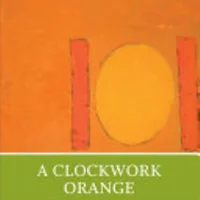 A Clockwork Orange
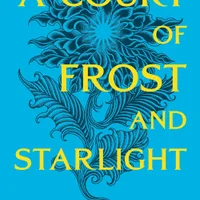 A Court of Frost and Starlight
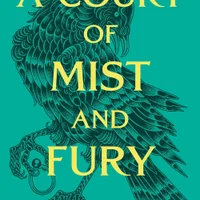 A Court of Mist and Fury
 A Court of Silver Flames
 A Court of Thorns and Roses
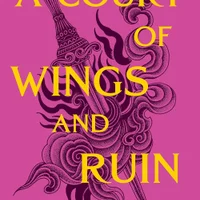
 A Court of Wings and Ruin
 A Curse So Dark and Lonely
 A Dance with Dragons
 A Feast for Crows
 A Game of Noctis
 A Game of Thrones
 A Girl Like That
 A Great and Terrible Beauty
 A Guys Guide to Sexuality and Sexual Identity in the 21st Century
 A Heart in a Body in the World
 A Heart So Fierce and Broken
 A High Five for Glenn Burke
 A History of Western Art
 A Hundred Vicious Turns (The Broken Tower Book 1)
 A is for Activist
 A Lesson in Vengeance
 A Long Way Gone
 A Mad, Wicked Folly
 A Madness So Discreet
 A Midsummer Tights Dream
 A Million Quiet Revolutions
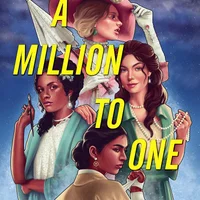 A Million to One
 A Pair of Socks
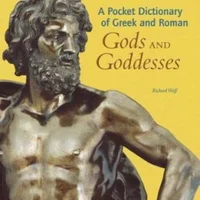 A Pocket Dictionary of Greek and Roman Gods and Goddesses
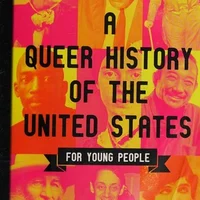 A Queer History of the United States for Young People
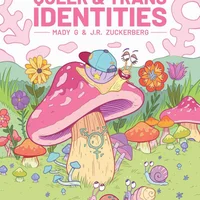 A Quick & Easy Guide to Queer & Trans Identities
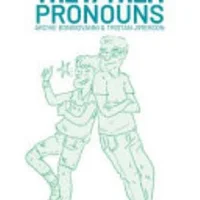 A Quick & Easy Guide to They/Them Pronouns
Book Bans in Texas
Texas school districts have collectively banned or challenged 1,665 distinct titles, with at least one ban recorded in 16 school districts across the state. The activity is heavily concentrated rather than evenly spread: North East Independent School District alone accounts for 917 banned titles, and Katy Independent School District follows with 524. Together these two districts represent the large majority of all reported bans in Texas, with Lamar Consolidated Independent School District a distant third at 277 titles. The remaining districts on record — including Nacogdoches, Fort Worth, Conroe, Fort Bend, and Plano Independent School Districts — each report notably smaller counts, trailing off from over a hundred titles down to several dozen. This pattern suggests that a handful of large districts are driving most of the statewide total, rather than book challenges being a broad, uniform phenomenon across Texas's thousands of school districts.
Context
Texas is one of the few states with a state law directly governing how school libraries handle challenged material: Texas House Bill 900 (2023), the READER Act (bill text), which set new requirements for rating and restricting library materials based on sexual content and directed school systems to review their collections against those standards. Laws of this kind give districts a formal mechanism and rationale for removing or restricting titles, which can help explain why book-removal activity in Texas is documented at the scale seen here.
Beyond the statewide framework, the concentration of bans in a small number of very large, fast-growing suburban districts is notable on its own. Districts the size of North East ISD and Katy ISD manage large, diverse library collections and are often the subject of organized community review efforts, which can produce far higher raw counts of challenged titles than smaller or more rural districts simply due to scale and the volume of material under review. Readers should treat the district-level counts as a reflection of both local review activity and district size, rather than assuming they measure the intensity of book banning uniformly across Texas.