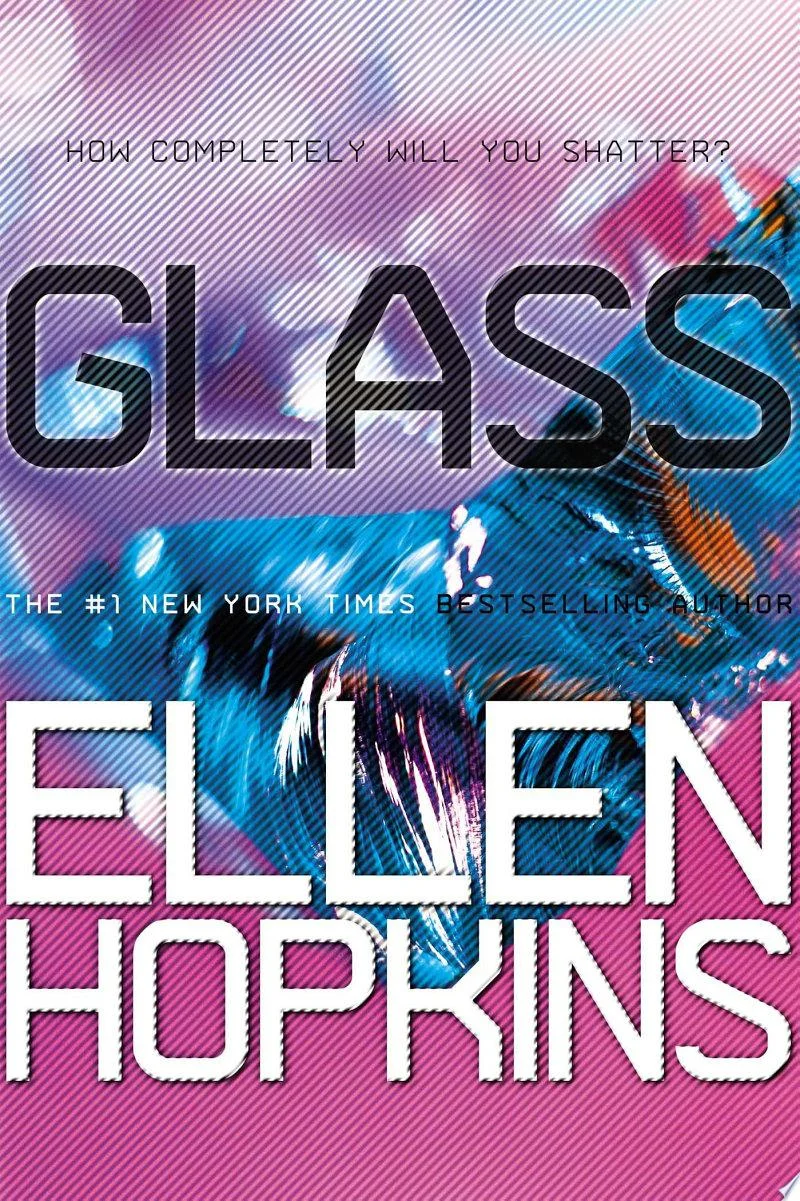
Glass
- Publication Date:
- June 20th, 2008
- Publisher:
- Simon and Schuster
- ISBN-13:
- 9781439106525
- ISBN-10:
- 1439106525
- Pages:
- 720
Why Glass Has Been Challenged
Objections to Glass center on its unflinching depiction of drug use and addiction, including detailed descriptions of methamphetamine's effects and the behaviors it drives Kristina to. See more ↓
Challenged or banned in 10 states across 34 school districts.
Overview
Glass picks up where Crank left off, following Kristina as she tries to build a stable life around her infant son. She wants to believe she can manage her use of methamphetamine on her own terms, treating it as something she can pick up and set down at will rather than a force that has already reshaped her life once before.
Written in Ellen Hopkins's signature free-verse style, the novel traces how quickly that resolve erodes. The pressures of parenting, exhaustion, and the pull of old patterns wear down Kristina's sense of control, and the drug reasserts itself as the organizing force in her days.
What follows is a portrait of relapse rendered from the inside: the rationalizations, the narrowing world, and the widening gap between the mother Kristina wants to be and the choices addiction leads her to make, including decisions that put her son's care in other hands.
Continuing a Story of Addiction
As a direct sequel, Glass extends the project Hopkins began with Crank: using poetic form to render the interior experience of addiction rather than simply narrating its external consequences. The verse structure mirrors its subject, with the drug's presence functioning almost as a character in its own right, one that speaks to Kristina in her most vulnerable moments.
The book is often read alongside its predecessor as part of a larger arc in Hopkins's body of work, which returns repeatedly to adolescence, dependency, and the ways young people navigate crises that adults around them may not fully see. Introducing a child into Kristina's life raises the stakes of that arc, shifting the story from one about a teenager's self-destruction to one that also asks what happens to the people who depend on her.
Why Glass Has Been Challenged
Objections to Glass center on its unflinching depiction of drug use and addiction, including detailed descriptions of methamphetamine's effects and the behaviors it drives Kristina to. Critics have also pointed to sexual content and depictions of neglect involving the infant character as inappropriate for younger readers, along with the book's frank, often bleak language throughout. The novel has been challenged or restricted in 10 states and 34 districts represented in this catalog, with objectors generally arguing the material is too mature for school libraries and classrooms, while defenders note that the story's unsentimental portrayal of relapse is central to its value as an honest account of addiction rather than a glamorization of it.
Where to Buy


Affiliate links may generate a small commission at no extra cost to you, which helps support this site.
About Ellen Hopkins
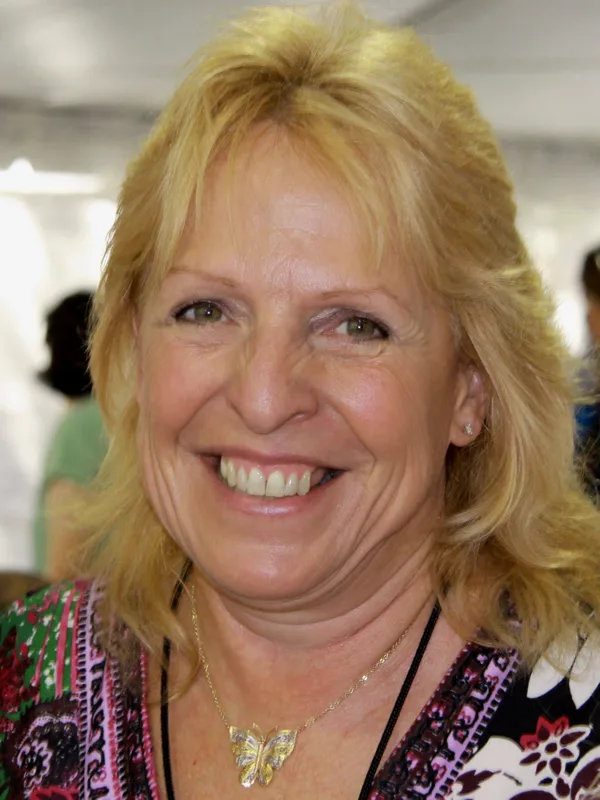
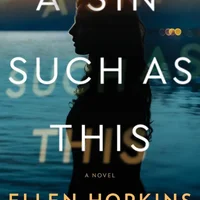
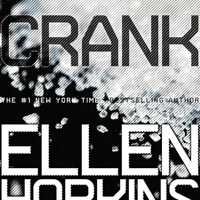
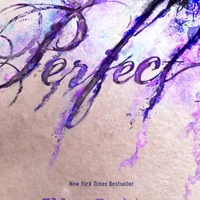
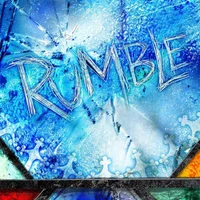
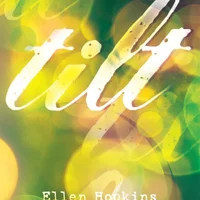
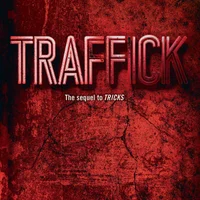
Ellen Hopkins is the author of more than a dozen bestselling verse novels for young adults, most inspired directly by her daughter's methamphetamine addiction. Her Crank trilogy—Crank, Glass, and Fallout—is based on real events in her family's life and is among the most challenged series in American schools. Four of her novels appear on the ALA's top 100 banned and challenged books of 2010–2019. She was inducted into the Nevada Writers Hall of Fame in 2015.
Also by Ellen Hopkins

Banned in Schools
Banned or challenged in 10 states across 34 school districts.
Colorado 1 district
- Elizabeth School District Banned
Florida 13 districts
- Bay District Schools Banned
- Charlotte County Public Schools Banned
- Collier County Public Schools Banned
- Duval County Public Schools Banned pending investigation
- Escambia County Public Schools Banned pending investigation
- Hillsborough County Public Schools Banned Pending Investigation
- Lee County Schools Banned by restriction
- Nassau County School District Banned Pending Investigation
- Pinellas County Schools Banned by restriction
- Polk County Public Schools Banned pending investigation
- Santa Rosa County Schools Banned pending investigation
- Seminole County Public Schools Banned
- Union County School District Banned
Iowa 9 districts
- Adel DeSoto Minburn Community School District Banned
- Boone Community School District Banned
- Central Lyon Community School District Banned
- Clarion-Goldfield-Dows Community School District Banned pending investigation
- Clear Lake Community School District Banned
- Grundy Center Community School District Banned
- Knoxville Community School District Banned
- Ridge View Community School District Banned
- River Valley Community School District Banned
Maine 1 district
- Hermon School Department Banned by restriction
Missouri 1 district
- Cameron R-1 School District Banned by restriction
North Carolina 1 district
- Burke County Public Schools Banned
Tennessee 3 districts
- Monroe County Schools Banned
- Rutherford County Schools Banned
- Wilson County Schools Banned
Texas 2 districts
- Fort Worth Independent School District Banned pending investigation
- Nacogdoches Independent School District Banned by Restriction
Virginia 2 districts
- Hanover County Public Schools Banned
- King George County Schools Banned by Restriction
Wisconsin 1 district
- Elkhorn Area School District Banned by restriction