Wisconsin
366 distinct titles banned across 6 districts

Districts
Banned Books
 101 Ways to Dance
 33 Snowfish
 99 Days
 A Child Called "It"
 A Clash of Kings
 A Court of Frost and Starlight
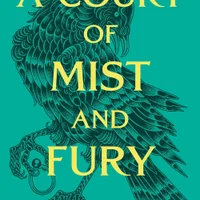 A Court of Mist and Fury
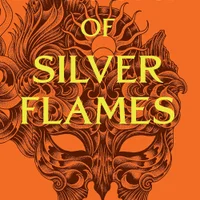 A Court of Silver Flames
 A Court of Thorns and Roses
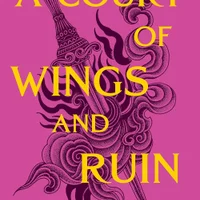
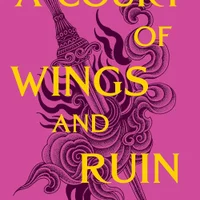 A Court of Wings and Ruin
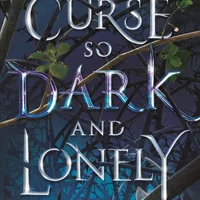 A Curse So Dark and Lonely
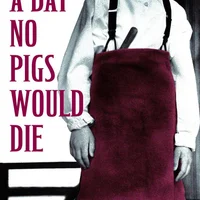 A Day No Pigs Would Die
 A Girl Named Zippy
 A Great and Terrible Beauty
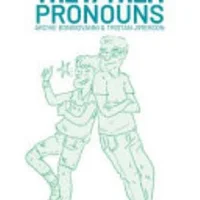 A Quick & Easy Guide to They/Them Pronouns
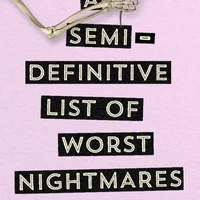 A Semi-definitive List of Worst Nightmares
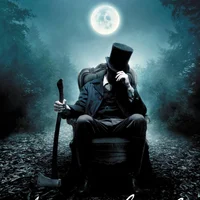 Abraham Lincoln: Vampire Hunter
 After
After
 All Boys Aren't Blue
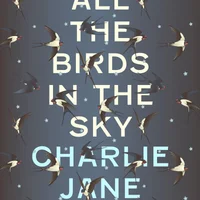 All the Birds in the Sky
 All the Bright Places
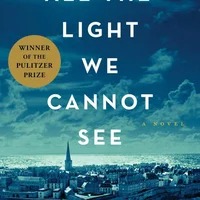 All the Light We Cannot See
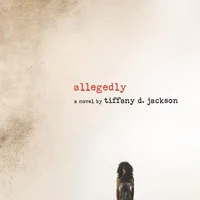 Allegedly
 Almost Perfect
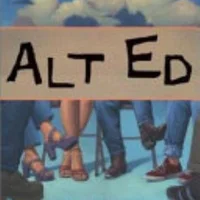 Alt Ed
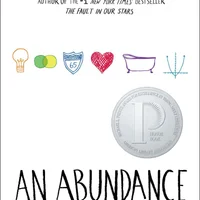 An Abundance of Katherines
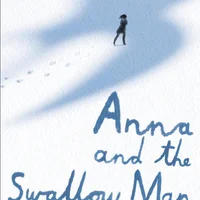 Anna and the Swallow Man
 Ask the Passengers
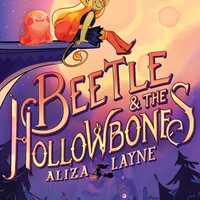 Beetle and the Hollowbones
 Before I Fall
 Beloved
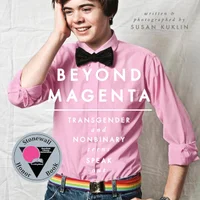 Beyond Magenta
 Blankets
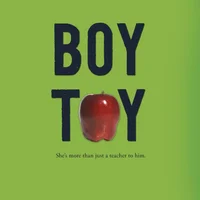 Boy Toy
 Brave New World
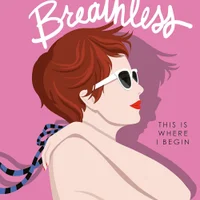 Breathless
 Burned
 Choke
Choke
 Clockwork Princess
 Code Name Verity
 Cold Sassy Tree
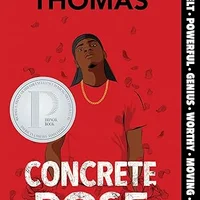 Concrete Rose
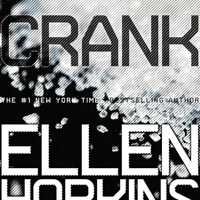 Crank
Crank
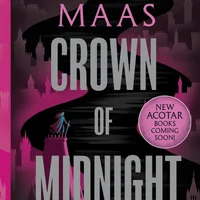 Crown of Midnight
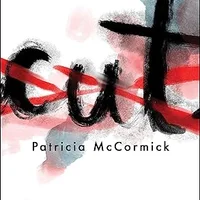 Cut
Cut
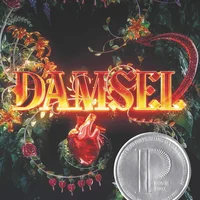 Damsel
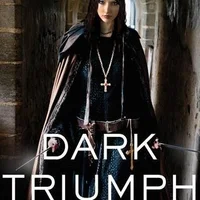 Dark Triumph
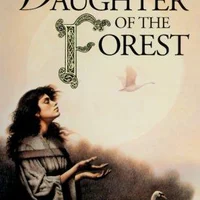 Daughter of the forest
Book Bans in Wisconsin
Across Wisconsin, 366 distinct titles have been banned or challenged in school districts tracked by this project, spread across just 6 districts statewide. That distribution is far from even. Elkhorn Area School District accounts for the overwhelming majority of the state's activity, with 339 titles removed or restricted — roughly 93% of every banned title recorded in Wisconsin. No other district comes close: Menomonee Falls Schools and Howard-Suamic School District each show activity in the low thirties (33 and 32 titles, respectively), while Kenosha Unified School District, Germantown Schools, and Platteville School District round out the list with a handful of titles apiece, down to a single title in the smallest cases.
In practical terms, this means Wisconsin's statewide count is driven almost entirely by decisions made in one district rather than reflecting a broad, coordinated push across the state's many school systems. A reader looking at the 366-title total should understand it less as a measure of how many Wisconsin districts are removing books and more as a reflection of one large-scale review process in Elkhorn, layered on top of smaller, more typical activity elsewhere.
Context
Wisconsin has hundreds of public school districts, so a tally of only 6 with any recorded bans is a small fraction of the state's total district count — activity here is narrow rather than widespread. The scale and concentration in Elkhorn suggests a systematic review of library or classroom holdings there, distinct from the more incremental, title-by-title challenges typical of the other five districts, where totals stay in the single digits to low thirties.
No specific state legislation, board policy, or administrative rule tied to these figures is confirmed here, so none is cited. Readers interested in the underlying cause of the Elkhorn numbers in particular should consult local district records or news coverage, since a gap this large between one district and the rest of the state is usually the product of a specific local policy decision or review rather than a statewide trend.