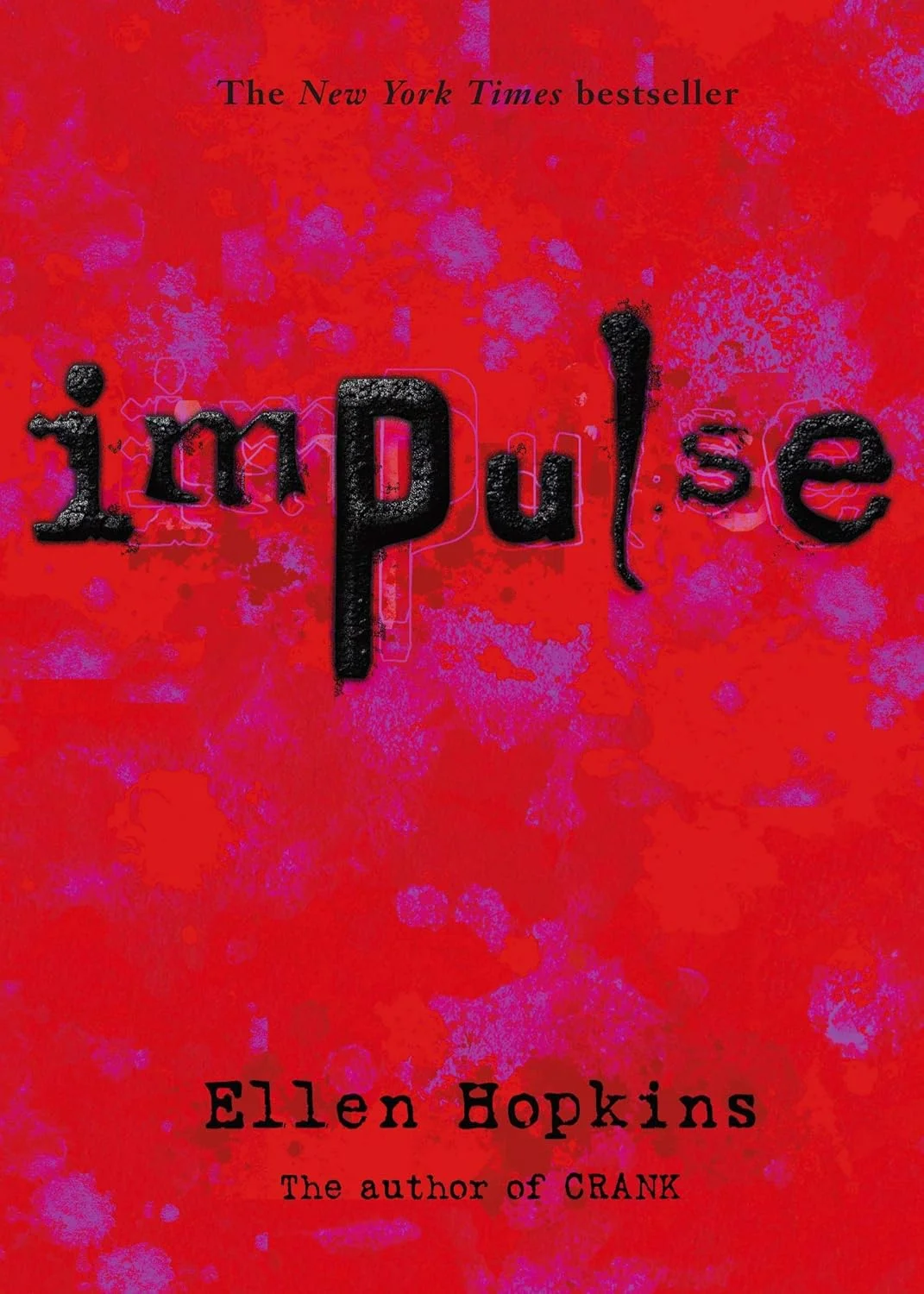
Impulse
- Publication Date:
- May 20th, 2008
- Publisher:
- Margaret K. McElderry
- ISBN-13:
- 9781416903574
- ISBN-10:
- 1416903577
- Pages:
- 666
Why Impulse Has Been Challenged
Impulse has been banned or challenged in 38 school districts across 8 states, including Florida, Iowa, North Carolina, South Carolina, Tennessee, Texas, Virginia, and Wisconsin. See more ↓
Challenged or banned in 8 states across 38 school districts.
About Impulse
Impulse is a 2007 novel-in-verse by Ellen Hopkins, published by Margaret K. McElderry Books. The story is told through the alternating voices of three teenagers — Conner, Tony, and Vanessa — who meet at Aspen Springs, a residential psychiatric facility in Nevada, following individual suicide attempts.
Each character arrives carrying a different kind of damage. Conner is the son of high-achieving parents whose expectations he cannot meet; beneath his polished exterior he has spent years suffocating under pressure and performing a version of himself that has nothing to do with who he actually is. Tony grew up in poverty in a household shaped by abuse; his attempt was not impulsive so much as it was the last step of a slow erasure. Vanessa is a young woman whose grip on stability has been undermined by bipolar disorder and a series of destructive relationships; she has tried before, and she knows the terrain.
The three narrators do not simply share a ward — they form complicated, real relationships with each other. There is romantic feeling. There is competition for staff attention. There is the dark humor of people who have faced the worst and lived. Hopkins renders all of it in her characteristic verse form: long cascading lines, strategic white space, a rhythm that pulls the reader urgently forward.
Hopkins's Verse Form
At 666 pages, Impulse is one of Hopkins's longer works, though the verse format moves quickly. Her writing style is more than aesthetic — the line breaks and white space do emotional work, slowing the reader for emphasis, letting silences land where they need to. The three distinct voices are immediately distinguishable even when their situations echo each other.
Hopkins has said in interviews that she writes toward the readers who are not being seen — the teenagers whose lives are not reflected in the books they're handed in English class. Her body of work deals consistently with addiction, abuse, mental illness, sexuality, and survival. Impulse sits at the center of that work, a book that looks directly at suicidal ideation without flinching and without offering easy comfort.
Why It Has Been Banned
Impulse has been banned or challenged in 38 school districts across 8 states, including Florida, Iowa, North Carolina, South Carolina, Tennessee, Texas, Virginia, and Wisconsin. Challenges typically cite the book's depictions of suicide, its frank portrayal of mental illness, and its language and sexual content.
Mental health advocates and library organizations have consistently pushed back against these challenges, arguing that books like Impulse do not encourage self-harm — they do the opposite. For teenagers who are struggling, encountering a book that acknowledges the reality of what they are going through, and that follows characters who find their way toward reasons to stay alive, can be genuinely protective. Research on media and suicide does not support the idea that realistic depictions of suicidal experience lead to contagion; it supports the idea that connection and recognition are among the most important protective factors that exist.
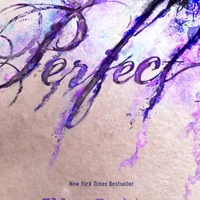
The sequel to Impulse, Perfect, which follows siblings of the main characters, is also among the books Hopkins has had most frequently challenged.
Where to Buy


Affiliate links may generate a small commission at no extra cost to you, which helps support this site.
About Ellen Hopkins
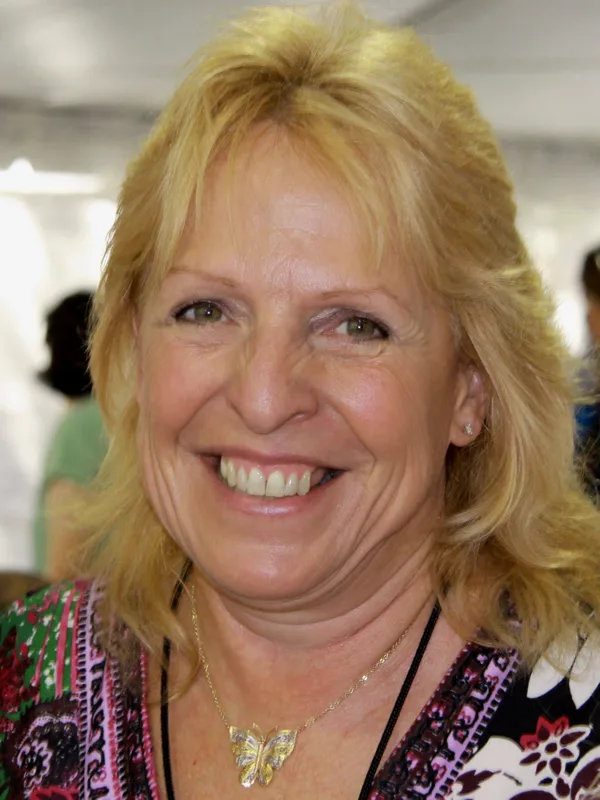
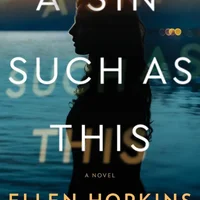
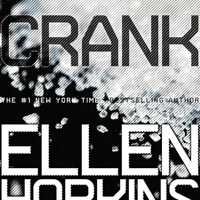
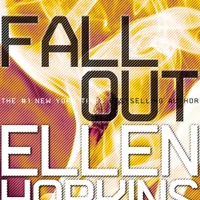
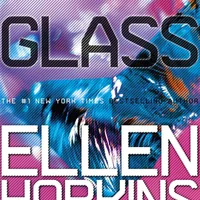
Ellen Hopkins is the author of more than a dozen bestselling verse novels for young adults, most inspired directly by her daughter's methamphetamine addiction. Her Crank trilogy—Crank, Glass, and Fallout—is based on real events in her family's life and is among the most challenged series in American schools. Four of her novels appear on the ALA's top 100 banned and challenged books of 2010–2019. She was inducted into the Nevada Writers Hall of Fame in 2015.
Also by Ellen Hopkins
Banned in Schools
Banned or challenged in 8 states across 38 school districts.
Florida 13 districts
- Bay District Schools Banned
- Charlotte County Public Schools Banned
- Collier County Public Schools Banned
- Duval County Public Schools Banned pending investigation
- Escambia County Public Schools Banned pending investigation
- Hillsborough County Public Schools Banned Pending Investigation
- Lee County Schools Banned by restriction
- Nassau County School District Banned Pending Investigation
- Okaloosa County School District Banned pending investigation
- Orange County Public Schools Banned pending investigation
- Pinellas County Schools Banned by restriction
- Seminole County Public Schools Banned
- Union County School District Banned
Iowa 11 districts
- Adel DeSoto Minburn Community School District Banned
- Boone Community School District Banned
- CAM Community School District Banned pending investigation
- Central Lyon Community School District Banned
- Clarion-Goldfield-Dows Community School District Banned pending investigation
- Clear Lake Community School District Banned
- Dallas Center-Grimes Community School District Banned pending investigation
- Dubuque Community School District Banned
- Nevada Community School District Banned pending investigation
- Ridge View Community School District Banned
- River Valley Community School District Banned
North Carolina 1 district
- Burke County Public Schools Banned
South Carolina 1 district
Tennessee 3 districts
- Monroe County Schools Banned
- Rutherford County Schools Banned
- Wilson County Schools Banned
Texas 6 districts
- Conroe Independent School District Banned
- Fort Bend Independent School District Banned by restriction
- Fort Worth Independent School District Banned pending investigation
- Lamar Consolidated Independent School District Banned
- Nacogdoches Independent School District Banned by Restriction
- North East Independent School District Banned
Virginia 2 districts
- Hanover County Public Schools Banned
- King George County Schools Banned by Restriction
Wisconsin 1 district
- Elkhorn Area School District Banned pending investigation