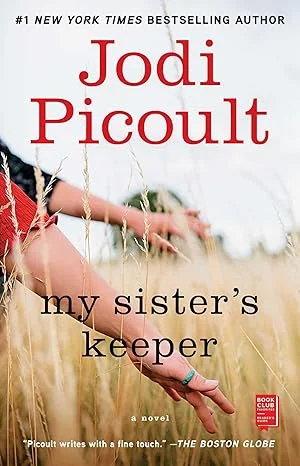
My Sister's Keeper
by Jodi Picoult
- Publication Date:
- February 1st, 2005
- Publisher:
- Simon and Schuster
- ISBN-13:
- 9780743454537
- ISBN-10:
- 0743454537
- Pages:
- 450
Why My Sister's Keeper Has Been Challenged
My Sister's Keeper has been challenged or removed in 3 states and 16 districts tracked See more ↓
Challenged or banned in 3 states across 16 school districts.
About My Sister's Keeper
Anna Fitzgerald was not born by chance. Her parents conceived her through in vitro fertilization and preimplantation genetic diagnosis, selecting her specifically because she was a genetic match for her older sister Kate, who had been diagnosed with acute promyelocytic leukemia at age two. For years, Anna has donated blood, bone marrow, and platelets whenever Kate needed them. When her parents ask her to donate a kidney at age thirteen, Anna hires a lawyer and sues for medical emancipation—the right to control her own body.
My Sister's Keeper tells this story in rotating first-person chapters. Anna, Kate, their brother Jesse, their parents Sara and Brian, and their lawyer each narrate from their own vantage point. The structure mirrors the novel's central insight: in a genuine moral dilemma, no one holds the whole truth. Sara is not a villain—she is a mother watching her child die by inches. Anna is not selfish—she has never once been asked what she wants. Both of those things are true at the same time, and the novel refuses to let the reader off the hook by resolving them.
Published in 2004, My Sister's Keeper draws on real and rapidly evolving debates around "savior siblings"—children conceived specifically to serve as donors for sick family members—and grounds them in the daily texture of a family under impossible pressure.
A Story Without Easy Answers
The book's ending is among the most discussed in contemporary popular fiction. It upends the reader's expectations and retroactively reframes the entire conflict, forcing a reckoning with what the novel was actually about all along. Students and book groups consistently report that the final chapters changed how they understood everything that came before—a structural effect Picoult built deliberately into the narrative.
Much of the tension comes from what characters choose not to say. Jesse's self-destruction is left unexplained for most of the novel. Kate's voice arrives late and carries information that shifts the whole picture. Bodily autonomy, who gets to make medical decisions for children, how families navigate competing loyalties—these questions are not hypothetical. They arise in real families every day, and a novel that takes them seriously is a resource, not a threat.
Why My Sister's Keeper Has Been Banned
My Sister's Keeper has been challenged or removed in 3 states and 16 districts tracked in this catalog, making it one of the most-banned titles on this site. Challenges most often cite sexual content in Jesse's storyline, language, and the book's frank treatment of end-of-life decisions. Some districts object to the premise that a teenager could or should challenge her parents' medical authority over her body—which is precisely what makes the book worth reading.
Where to Buy




Affiliate links may generate a small commission at no extra cost to you, which helps support this site.
About Jodi Picoult
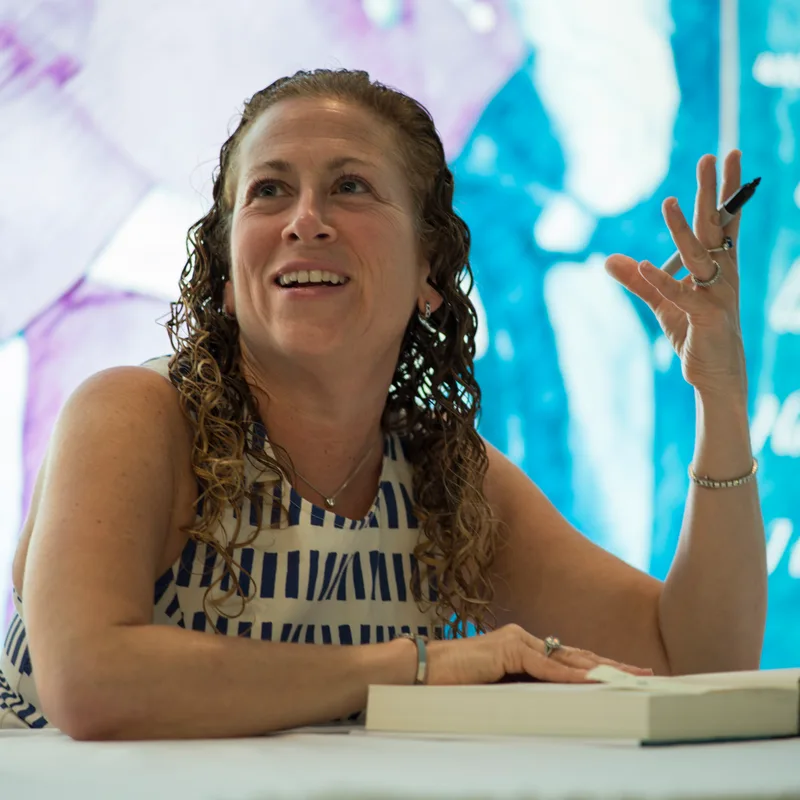
Jodi Picoult is a New York Times bestselling author of more than 28 novels exploring moral dilemmas, family crises, and social justice. With over 40 million copies in print and translations into 34 languages, she is one of the most widely read American novelists working today. Her books have been challenged and banned in school districts across the United States, and she is an outspoken advocate against book bans.
Also by Jodi Picoult
 A Spark of Light
 Between the Lines
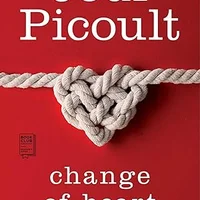 Change of Heart
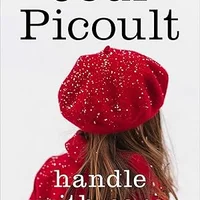 Handle with Care
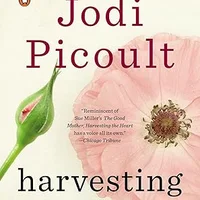 Harvesting the Heart
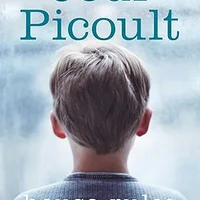 House Rules
 Keeping Faith
 Leaving Time
 Lone Wolf
 Mad Honey: A GMA Book Club Pick
 Mercy
Mercy
 Nineteen Minutes
 Perfect Match
 Picture Perfect
 Plain Truth
 Salem Falls
 Second Glance
 Sing You Home
 Small Great Things
 Songs of the Humpback Whale
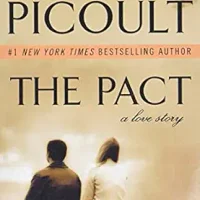 The Pact: A Love Story
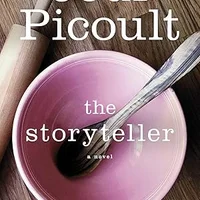 The Storyteller
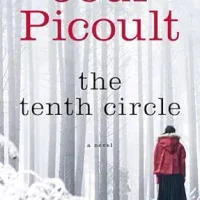 The Tenth Circle
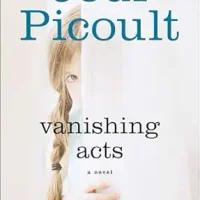 Vanishing Acts
Banned in Schools
Banned or challenged in 3 states across 16 school districts.
Florida 7 districts
- Clay County School District Banned
- Collier County Public Schools Banned
- Hillsborough County Public Schools Banned Pending Investigation
- Seminole County Public Schools Banned by restriction
- St. John's County School District Banned by restriction
- Union County School District Banned
- Volusia County Schools Banned Pending Investigation
Iowa 8 districts
- Clear Lake Community School District Banned
- Lake Mills Community School District Banned
- Linn-Mar Community School District Banned pending investigation
- Mid-Prairie Community School District Banned
- Red Oak School District Banned
- Southeast Warren Community School District Banned
- WACO Community School District Banned
- West Burlington Independent School District Banned