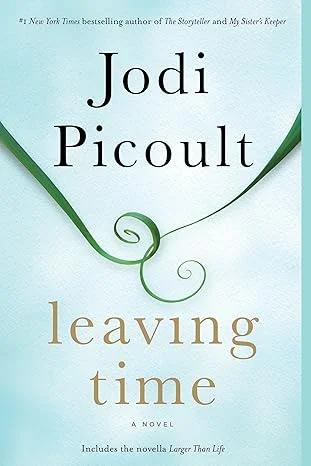
Leaving Time
by Jodi Picoult
- Publication Date:
- April 28th, 2015
- Publisher:
- Ballantine Books
- ISBN-13:
- 9780345544940
- ISBN-10:
- 0345544943
Why Leaving Time Has Been Challenged
Leaving Time has been challenged in 2 states and 3 districts tracked in this catalog. See more ↓
Challenged or banned in 2 states across 3 school districts.
About Leaving Time
Jenna Metcalf is thirteen and she has been searching for her mother for more than half her life. Alice, a researcher who studied elephant grief, disappeared the same night a herd trampled a woman at the New England Elephant Sanctuary where the family lived. Alice's body was never found. Jenna's father is in a psychiatric facility. The only people Jenna can find to help her are a disgraced psychic who lives on the fringes of town and a burnt-out private investigator who hasn't solved a case in years.
Published by Ballantine Books in 2014, Leaving Time interweaves two narratives: Jenna's present search, and Alice's journal entries from her research—including her fieldwork studying grieving elephants in Botswana and her time at the sanctuary. Alice's sections are saturated with animal behavior research, much of it real, about the way elephants mourn. They return to the bones of their dead. They carry grief in their bodies the way humans do. They remember. The parallel with what Jenna is doing—and with what Alice herself experienced—is the novel's structural spine.
This is a novel that earns its emotional weight in its final pages, and it does so through a structural revelation that changes the entire meaning of what has been read. Readers report that the ending requires them to go back to the beginning. That kind of rereading is only possible in a novel that has been built with exceptional care.
Grief, Memory, and What We Owe the Dead
Alice's research provides the novel's central metaphor with scientific grounding. Elephants in grief behave in ways that resemble human mourning precisely, which raises the same questions the novel raises about Jenna: what does it mean to refuse to leave, to refuse to stop searching, to refuse to accept a loss as complete? The novel does not frame Jenna's search as unhealthy or her refusal to give up as pathological. It frames it as love.
The psychic and the investigator who help Jenna are not played for irony. Both characters are treated with real seriousness, and their own backstories—what they have lost, what they are still searching for—give the novel its texture of grief as a shared human condition rather than Jenna's individual problem.
Why Leaving Time Has Been Challenged
Leaving Time has been challenged in 2 states and 3 districts tracked in this catalog. Challenges most often cite mature content related to violence and death, as well as the novel's themes of parental abandonment and mental illness. The ending—which requires readers to sit with a revelation that is both heartbreaking and, on reflection, the only true ending the novel could have—is occasionally cited as deeply disturbing. It is. That is also why it is worth reading.
Where to Buy




Affiliate links may generate a small commission at no extra cost to you, which helps support this site.
About Jodi Picoult
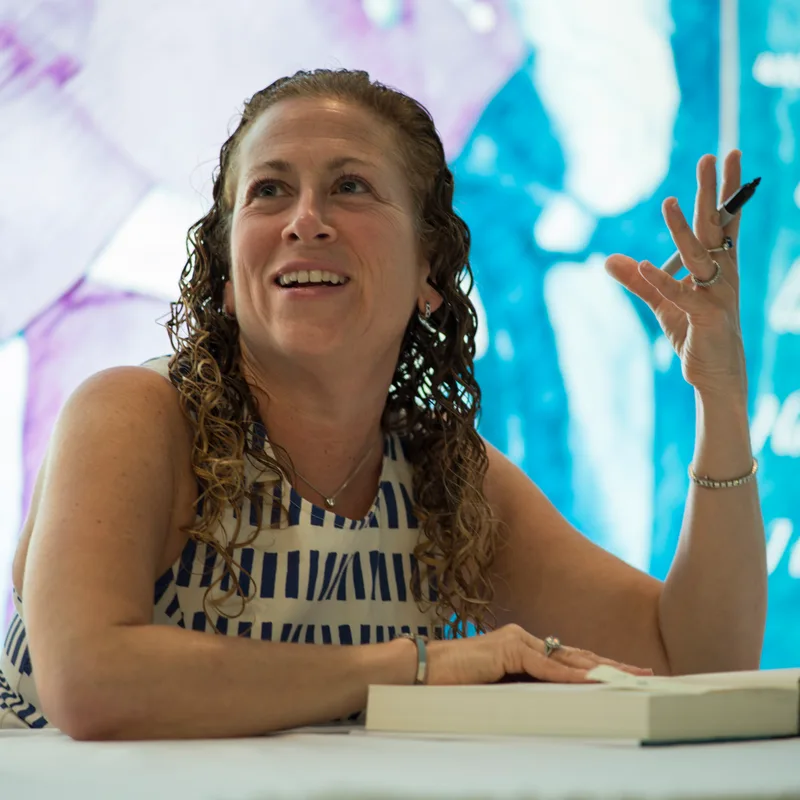
Jodi Picoult is a New York Times bestselling author of more than 28 novels exploring moral dilemmas, family crises, and social justice. With over 40 million copies in print and translations into 34 languages, she is one of the most widely read American novelists working today. Her books have been challenged and banned in school districts across the United States, and she is an outspoken advocate against book bans.
Also by Jodi Picoult
 A Spark of Light
 Between the Lines
 Change of Heart
 Handle with Care
 Harvesting the Heart
 House Rules
 Keeping Faith
 Lone Wolf
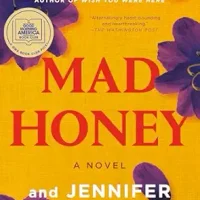 Mad Honey: A GMA Book Club Pick
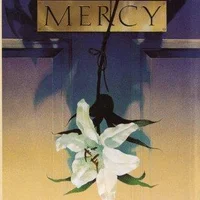 Mercy
Mercy
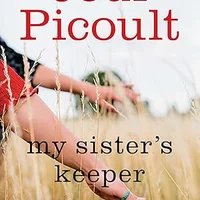 My Sister's Keeper
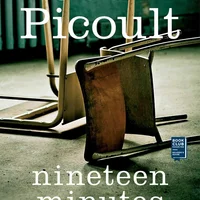 Nineteen Minutes
 Perfect Match
 Picture Perfect
 Plain Truth
 Salem Falls
 Second Glance
 Sing You Home
 Small Great Things
 Songs of the Humpback Whale
 The Pact: A Love Story
 The Storyteller
 The Tenth Circle
 Vanishing Acts
Banned in Schools
Banned or challenged in 2 states across 3 school districts.
Florida 2 districts
- Hillsborough County Public Schools Banned Pending Investigation
- Seminole County Public Schools Banned
Wisconsin 1 district
- Elkhorn Area School District Banned by restriction