Georgia
98 distinct titles banned across 4 districts

Districts
Banned Books
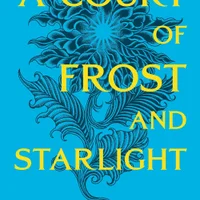 A Court of Frost and Starlight
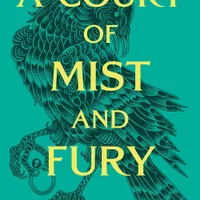 A Court of Mist and Fury
 A Court of Silver Flames
 A Court of Thorns and Roses
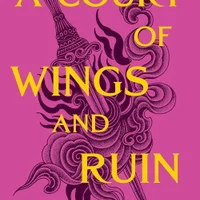
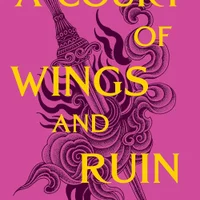 A Court of Wings and Ruin
 A mighty long way : my journey to justice at Little Rock Central High School
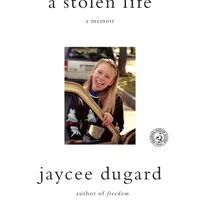 A Stolen Life
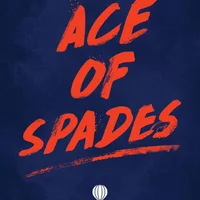 Ace of Spades
 Act Cool
 All Boys Aren't Blue
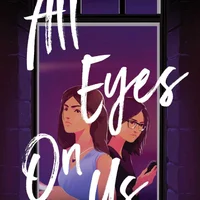 All Eyes on Us
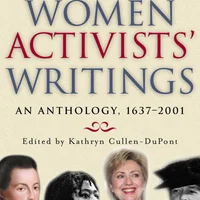 American Women Activists' Writings
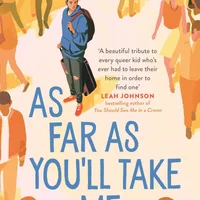 As Far as You'll Take Me
 Beasts of Prey
 Beyond Magenta
 Beyond the Gender Binary
 Blankets
 Both Sides Now
 Cemetery Boys
 City of thieves
 Crank
 Dangerous Play
 Dead end
 Felix Ever After
 Flamer
 Flowers In The Attic
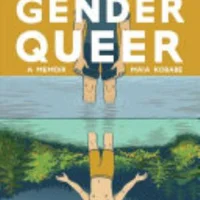 Gender Queer: A Memoir
 Grasshopper Jungle
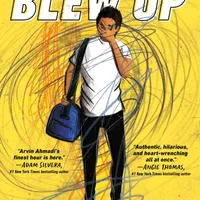 How It All Blew Up
 How to Be an Antiracist
 I Love You, Beth Cooper
 Identical
 Into the Real
 It
 It Ends with Us
 It Starts with Us
 It's Okay to Be Different
 Juliet Takes a Breath
 Kingdom of Ash
 Lark and Kasim Start a Revolution
 Life as We Knew it
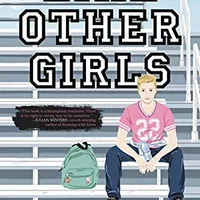 Like Other Girls
 Lucky
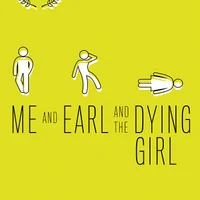 Me and Earl and the Dying Girl
 Milk and Honey
 Monday's Not Coming
 More Happy Than Not
 Narrative of the life of Frederick Douglass
Frequently Asked Questions
How many books are banned in Georgia?
PEN America has documented 98 distinct book titles banned in Georgia public school districts, across 4 districts.
Which Georgia school districts have banned the most books?
The districts with the most banned titles are Cobb County School District (81), Marietta City Schools (33), Columbia County School District (GA) (6), and Fulton County Schools (4).
What are the most commonly banned books in Georgia?
The titles banned in the most Georgia districts are Blankets (3 districts), Flamer (3 districts), Me and Earl and the Dying Girl (3 districts), A Court of Frost and Starlight (2 districts), and A Court of Mist and Fury (2 districts).
Book Bans in Georgia
Georgia currently has 98 distinct book titles tracked as banned or challenged across 4 school districts statewide. That district count is notably small for a state of Georgia's size, which has well over 180 public school systems — meaning the vast majority of Georgia districts have no recorded bans at all. Of the districts that do appear, activity is heavily concentrated in a single system: Cobb County School District accounts for the large majority of the state's tracked titles, far outpacing the other three districts combined. Marietta City Schools follows as a distant second, with Columbia County School District and Fulton County Schools each contributing a comparatively small number of titles.
Context
The pattern in Georgia's data is one of concentration rather than statewide spread. Rather than reflecting a broad, uniform effort across the state's school systems, the numbers point to a small handful of districts — really, one district in particular — driving nearly all of the recorded activity, while the rest of the state's districts show no bans in this tracking data. This kind of lopsided distribution is common in states without a statewide mandate governing book removals: decisions are made locally, at the district or school-board level, so the presence or absence of a formal challenge process, an active community group, or a single contested list can produce outsized numbers in one district without any comparable activity nearby. Without a confirmed statewide law directing these removals, the more reliable read of the data is that it reflects local school board and administrative decisions rather than a single coordinated statewide policy. Readers looking for the specific titles or the full set of affected districts can find that detail elsewhere on this page; the pattern itself — a small number of active districts, and one district responsible for the bulk of the total — is the most notable feature of Georgia's current tracking data.