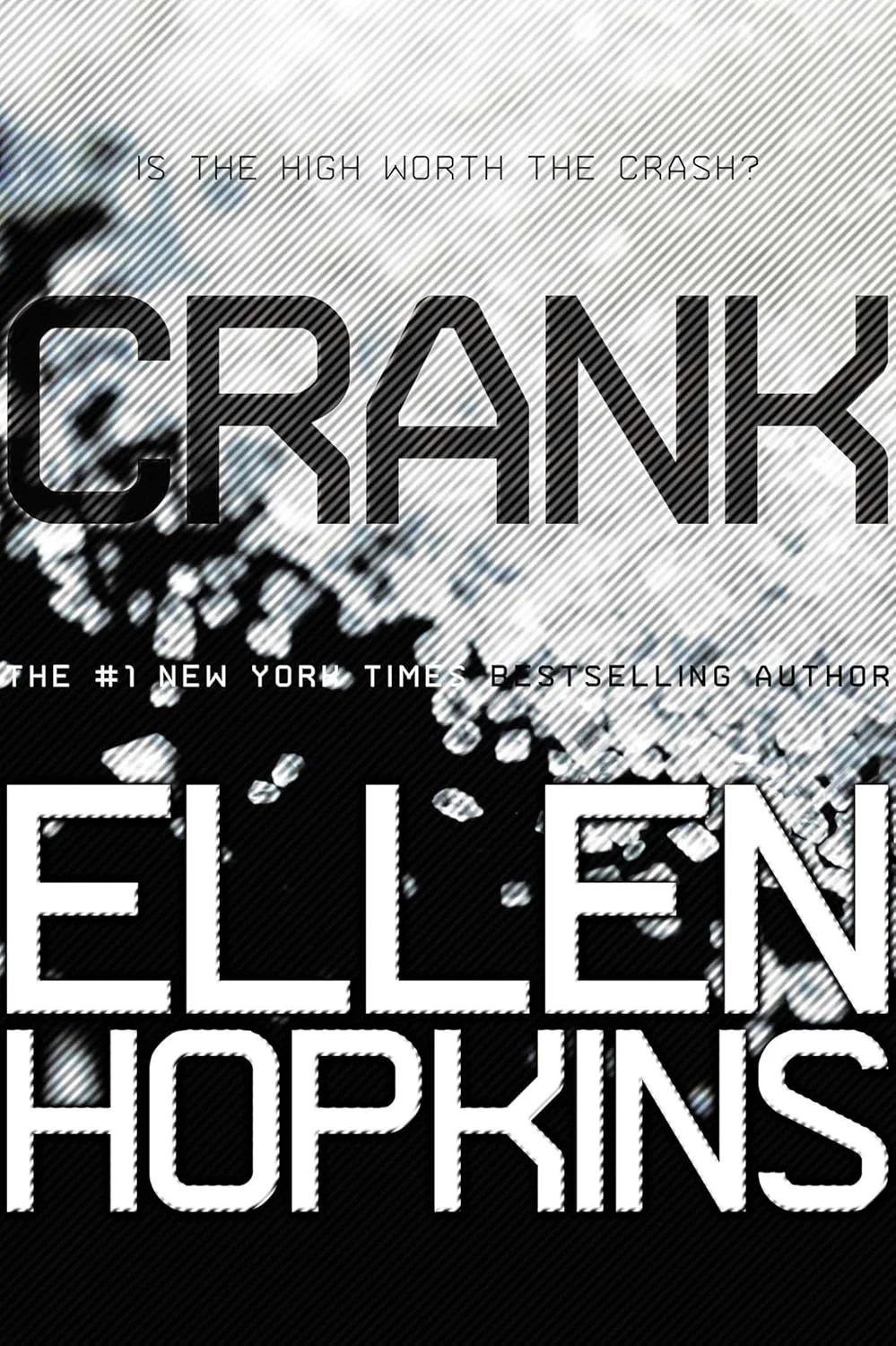
Crank
- Publication Date:
- August 6th, 2013
- Publisher:
- Simon and Schuster
- ISBN-13:
- 9781442471818
- ISBN-10:
- 1442471816
- Pages:
- 576
About Crank
Crank is a novel by Ellen Hopkins, first published in 2004 by Margaret K. McElderry Books and reissued through Simon and Schuster. The book is written entirely in verse — a mix of free verse, concrete poetry, and structured forms — which gives Hopkins's narrative an urgent, fragmented rhythm that mirrors the disorienting experience of addiction. The story follows Kristina Georgia Snow, a straight-A student from a stable middle-class home who visits her estranged father for the summer and, through a casual encounter, tries methamphetamine for the first time.
What follows is a harrowing chronicle of Kristina's transformation into a person she calls "the monster" — her alter ego who emerges to pursue the drug at any cost. Hopkins unfolds Kristina's escalating addiction across high school relationships, sexual violence, family breakdown, and repeated attempts to get clean that give way to relapse. The narrative is unflinching: it does not moralize or resolve cleanly. Kristina does not triumph by the end. She survives, damaged, with a child born of a rape, and the story continues across two sequels — Glass and Fallout.
At 576 pages, Crank is long for a verse novel, but Hopkins maintains pace through the compulsive momentum of the addiction itself. The poetry form makes the discomfort harder to distance from — each white space a breath, each stanza a moment of clarity or crash. Young readers who have encountered addiction in their own families or communities have described the book as one of the rare honest portrayals of what that experience actually feels like from the inside.
The True Story Behind the Book
Hopkins has been explicit that Crank is based on her daughter Cristal's real addiction to methamphetamine. Writing the novel was, Hopkins has said, a way to process a family crisis that nearly destroyed them both — and to create something that might reach other teenagers before they made the same choices. Cristal read the manuscript before it was published and gave her approval.
The autobiographical basis of the book is part of what makes both its literary power and its controversy inseparable. Parents who object to the book's sexual content and drug depictions are reading a story that is not invented for shock value but is rooted in a real family's pain. Hopkins has argued consistently that sanitizing the story would be a betrayal both of her daughter and of readers who need an honest account — because addiction doesn't look polished, and books that soften it don't reach the teenagers who most need the warning.
Why Crank Is Taught and Why It's Banned
Despite widespread challenges, Crank has sold millions of copies and remains a fixture in YA literature discussions. School counselors, drug prevention educators, and librarians have used it as a resource for students who have family members struggling with addiction or who are themselves at risk. The verse format makes it accessible to reluctant readers. The first-person perspective forces emotional proximity that a clinical discussion of drug risk cannot replicate.
Challenges overwhelmingly cite sexual content — particularly depictions of rape and of Kristina's sexual activity while using — along with the frank representation of drug use and the book's perceived failure to provide a clear anti-drug message. Critics have argued that a story in which the protagonist does not recover by the final page cannot function as a deterrent. Supporters counter that false resolutions do not prepare teenagers for real life, and that the ongoing consequences Kristina faces across all three books constitute a serious reckoning with the cost of addiction.
Iowa school districts accounted for more than half of all documented ban actions — 51 out of 93 — during a wave of district-level removals in 2023 and 2024. Florida, Texas, and Tennessee each contributed significant clusters as well. The book has appeared on the American Library Association's list of most frequently challenged books for multiple years running.
Where to Buy

Affiliate links may generate a small commission at no extra cost to you, which helps support this site.
About Ellen Hopkins
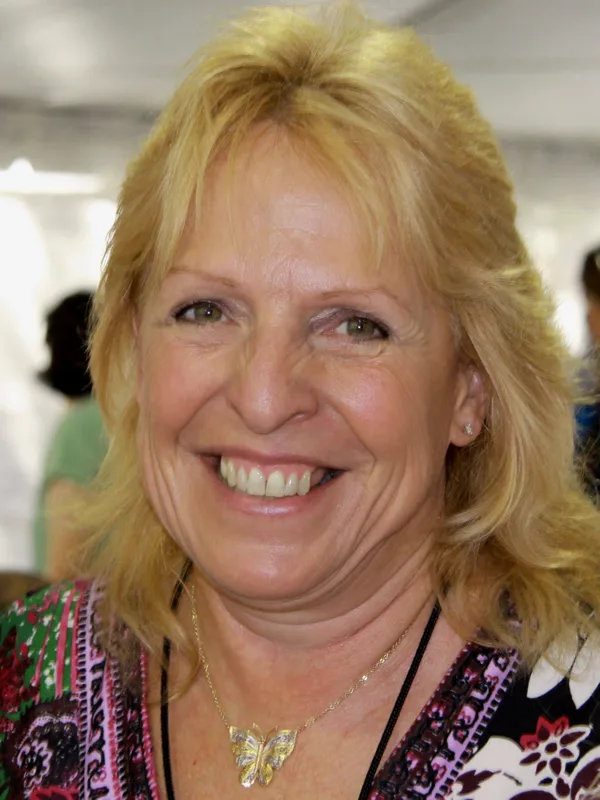
Ellen Hopkins is the author of more than a dozen bestselling verse novels for young adults, most inspired directly by her daughter's methamphetamine addiction. Her Crank trilogy—Crank, Glass, and Fallout—is based on real events in her family's life and is among the most challenged series in American schools. Four of her novels appear on the ALA's top 100 banned and challenged books of 2010–2019. She was inducted into the Nevada Writers Hall of Fame in 2015.
Also by Ellen Hopkins
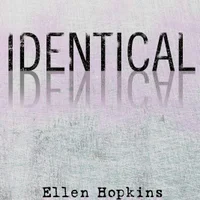
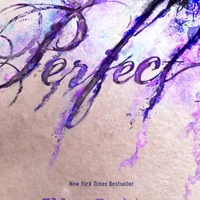
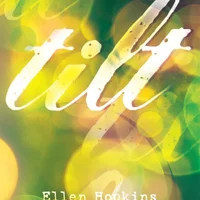
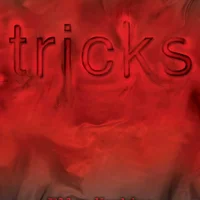
Banned in Schools
Banned or challenged in 16 states across 93 school districts.
Alaska 1 district
- Matanuska-Susitna Borough School District Banned pending investigation
Colorado 1 district
- Elizabeth School District Banned
Florida 13 districts
- Broward County Public Schools Banned by Restriction
- Charlotte County Public Schools Banned
- Citrus County School District Banned
- Duval County Public Schools Banned pending investigation
- Flagler Schools Banned
- Hillsborough County Public Schools Banned Pending Investigation
- Lee County Schools Banned
- Nassau County School District Banned
- Okaloosa County School District Banned pending investigation
- Orange County Public Schools Banned by restriction
- Pinellas County Schools Banned by restriction
- Seminole County Public Schools Banned
- Union County School District Banned
Georgia 2 districts
- Cobb County School District Banned
- Marietta City Schools Banned
Iowa 51 districts
- Adel DeSoto Minburn Community School District Banned
- Albia Community School District Banned
- Ankeny Community School District Banned
- Boone Community School District Banned
- CAM Community School District Banned
- Cardinal Community School District Banned
- Carlisle Community School District Banned
- Cedar Falls Community School District Banned pending investigation
- Central Lyon Community School District Banned
- Central Springs School District Banned
- Clarion-Goldfield-Dows Community School District Banned pending investigation
- Clear Lake Community School District Banned
- Council Bluffs Community School District Banned pending investigation
- Denver Community School District Banned
- East Union Community School District Banned
- Edgewood-Colesburg Community School District Banned
- Gilbert Community School District Banned
- Grundy Center Community School District Banned
- Iowa City Community School District Banned pending investigation
- Knoxville Community School District Banned
- Lewis Central Community School District Banned
- Linn-Mar Community School District Banned pending investigation
- Lisbon Community School District Banned
- Louisa-Muscatine Community School District Banned pending investigation
- Mason City Community Schools Banned
- Mediapolis Community School District Banned
- Melcher-Dallas Community School District Banned pending investigation
- Mid-Prairie Community School District Banned
- Midland Community School District Banned
- Missouri Valley Community School District Banned
- New Hampton Community Schools Banned
- Northeast Community School District Banned pending investigation
- Northwood Kensett Community School District Banned
- Ogden Community Schools Banned pending investigation
- Oskaloosa Community School District Banned
- Ottumwa Community School District Banned
- Red Oak School District Banned
- Riceville Community School District Banned
- Ridge View Community School District Banned
- River Valley Community School District Banned
- Shenandoah Community School District Banned
- Sigourney Community School District Banned
- Southeast Polk Community School District Banned
- Southeast Warren Community School District Banned
- Spencer Community School District Banned pending investigation
- Union Community School District Banned
- Urbandale Community School District Banned pending investigation
- Waterloo Community School District Banned pending investigation
- Waverly-Shell Rock Community School District Banned
- West Des Moines Community Schools Banned pending investigation
- Winterset Community School District Banned
Maine 1 district
- Hermon School Department Banned by restriction
Maryland 1 district
- Frederick County Public Schools Banned by restriction
Missouri 1 district
- Cameron R-1 School District Banned by restriction
North Carolina 2 districts
- Burke County Public Schools Banned
- Moore County Schools Banned
Pennsylvania 1 district
- Lehighton Area School District Banned Pending Investigation
South Carolina 1 district
Tennessee 4 districts
- Knox County Schools Banned
- Monroe County Schools Banned
- Rutherford County Schools Banned
- Wilson County Schools Banned
Texas 8 districts
- Conroe Independent School District Banned
- Fort Bend Independent School District Banned
- Fort Worth Independent School District Banned pending investigation
- Katy Independent School District Banned
- Lamar Consolidated Independent School District Banned
- Nacogdoches Independent School District Banned by Restriction
- North East Independent School District Banned
- Plano Independent School District Banned
Virginia 3 districts
- Hanover County Public Schools Banned
- King George County Schools Banned by Restriction
- Spotsylvania County Public Schools Banned
Wisconsin 2 districts
- Elkhorn Area School District Banned pending investigation
- Howard-Suamic School District Banned
Wyoming 1 district
- Laramie County School District No. 1 Banned by Restriction