Pennsylvania
84 distinct titles banned across 8 districts

Districts
Banned Books
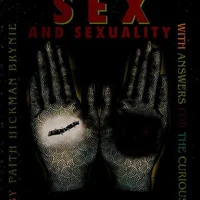 101 Questions about Sex and Sexuality...With Answers for the Curious, Cautious, and Confused
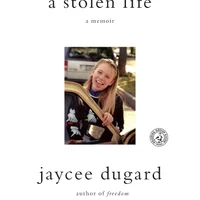 A Stolen Life
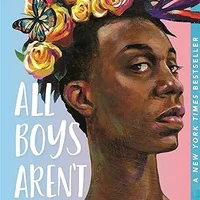 All Boys Aren't Blue
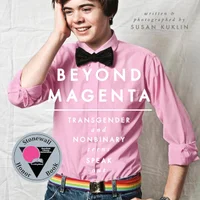 Beyond Magenta
 Black Lives Matter
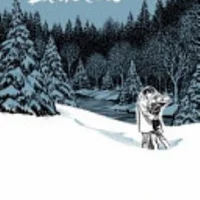 Blankets
 Coming out as transgender
 Crank
Crank
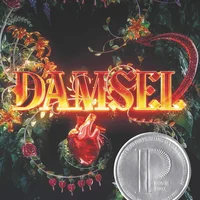 Damsel
 Dime
Dime
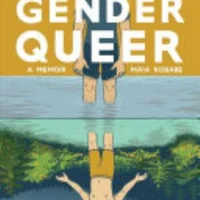 Gender Queer: A Memoir
 House of Earth and Blood
 How is Online Pornography Affecting Society?
 Identical
 Interracial Relationships
 Is It Still Cheating If I Don't Get Caught?
 Last Night at the Telegraph Club
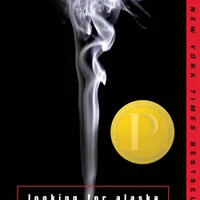 Looking for Alaska
 Lucky
Lucky
 My book of life by angel
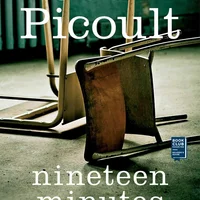 Nineteen Minutes
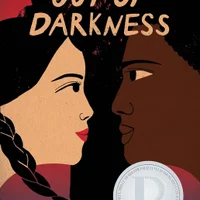 Out of Darkness
 Sold
Sold
 The Bluest Eye
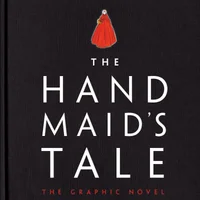 The Handmaid's Tale (Graphic Novel)
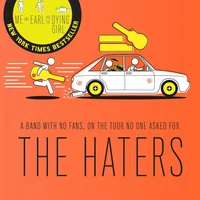 The Haters
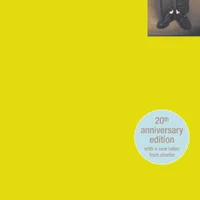 The Perks of Being a Wallflower
 The Poet X
Book Bans in Pennsylvania
Tracking for Pennsylvania currently identifies 84 distinct titles that have been banned or challenged across 8 school districts statewide. The activity is heavily concentrated rather than spread evenly: two districts, Lehighton Area School District and Pennridge School District, account for the large majority of the state's total, with 33 and 32 titles respectively. The remaining six districts each report far smaller counts, ranging from Blackhawk School District's 10 titles down to single-title actions in Manheim Township and Perkiomen Valley. In other words, a state with thousands of school districts has documented book-removal activity in only a handful of them, and within that small group, two systems are responsible for most of the recorded titles.
Context
The shape of Pennsylvania's data is worth noting on its own terms. Rather than a broad, statewide wave touching many districts lightly, the pattern here looks like two large, sustained review efforts layered on top of a scattering of smaller, isolated challenges elsewhere. Districts like South Middleton, Oxford Area, and Radnor Township show single-digit counts consistent with individual parent or committee challenges to specific titles, the kind of activity that has occurred in American schools for decades. Lehighton Area and Pennridge, by contrast, show counts large enough to suggest a more systematic review of library or curriculum holdings rather than one-off objections to a handful of books.
Because Pennsylvania does not have a single, well-documented statewide law mandating these reviews in the way some other states do, the more plausible explanation is that individual school boards or administrations adopted their own review policies independently, producing very different outcomes district by district. Readers should treat the concentration in this data as a description of where documented challenges have occurred and how extensively, not as evidence of a coordinated statewide policy. Confirming the specific local policies or board actions behind the Lehighton Area and Pennridge totals would require consulting those districts' own records directly.