Utah
51 distinct titles banned across 4 districts

Districts
Banned Books
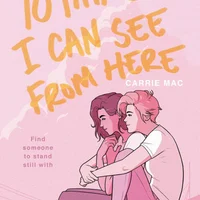 10 Things I Can See From Here
 A Clash of Kings
 A Game of Thrones
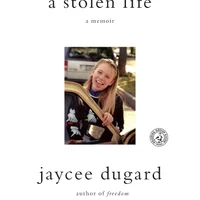 A Stolen Life
 And They Lived . . .
 As She Fades
 Blankets
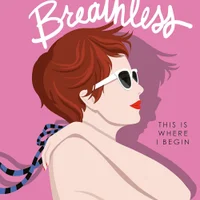 Breathless
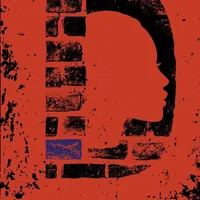 Dime
Dime
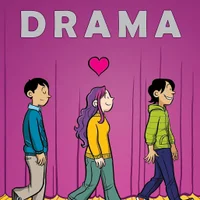 Drama: a Graphic Novel
 Fight Club
 Forever . . .
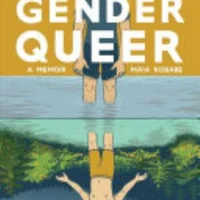 Gender Queer: A Memoir
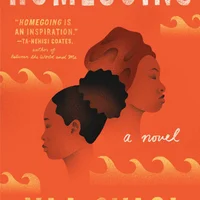 Homegoing
 House of Earth and Blood
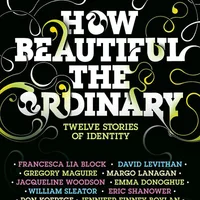 How Beautiful the Ordinary
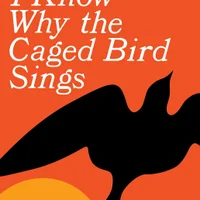 I Know Why the Caged Bird Sings
 Icebreaker
 Life Is Funny
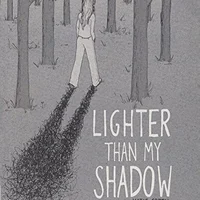 Lighter than my shadow
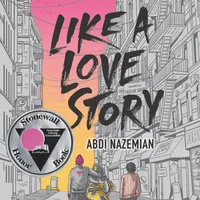 Like a Love Story
 Living Dead Girl
 Lucky
Lucky
 Man o' War
 My Friend Dahmer
 Slaughterhouse-Five
 Storm and Fury
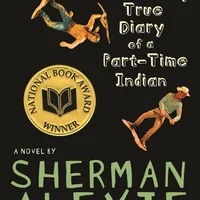 The Absolutely True Diary of a Part-Time Indian
 The Almost Moon
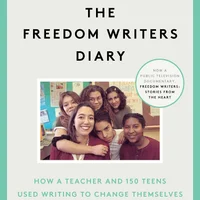 The Freedom Writers Diary
 The Hate U Give
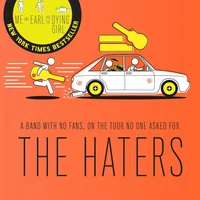 The Haters
 The Sun and Her Flowers
 This Is Kind of an Epic Love Story
 This One Summer
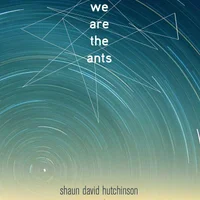 We Are the Ants
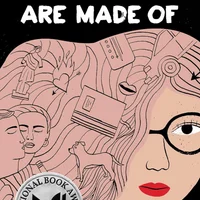 What Girls Are Made Of
Book Bans in Utah
Utah currently has 51 distinct book titles tracked as banned or challenged across 4 school districts statewide. That is a fairly small number of districts relative to Utah's roughly 41 public school districts, meaning the vast majority of districts in the state have no tracked bans at all. Within the districts that do have activity, the distribution is heavily lopsided rather than evenly spread: Davis School District accounts for the largest share of tracked titles, followed by Granite School District at a considerably smaller volume, with Washington County Schools and Salt Lake City School District trailing further behind. Together, two districts account for the large majority of all banned-title instances in the state, while the remaining two districts contribute only a handful of titles each.
Context
The pattern in Utah's data is one of concentration rather than broad statewide activity. Rather than a large number of districts each removing a few titles, most of the recorded challenges and removals are clustered in a small number of districts, with one district in particular responsible for the majority of the titles tracked. This kind of concentration can reflect a range of local factors — a single active complaint process, a particular school board's review procedures, or a coordinated set of challenges submitted within one district — rather than a uniform policy applied evenly across the state.
Because only 4 of Utah's districts appear in this dataset at all, the statewide picture looks different depending on the lens used: viewed at the district level, book banning in Utah looks localized and driven by a small number of decision-making bodies; viewed at the title level, 51 titles is a meaningful list that a student or parent could encounter depending on which district they are in. Without confirmed details on specific state statutes or board policies driving these decisions, the safest description of Utah's situation is that it is concentrated activity in a minority of districts rather than a diffuse, statewide phenomenon.