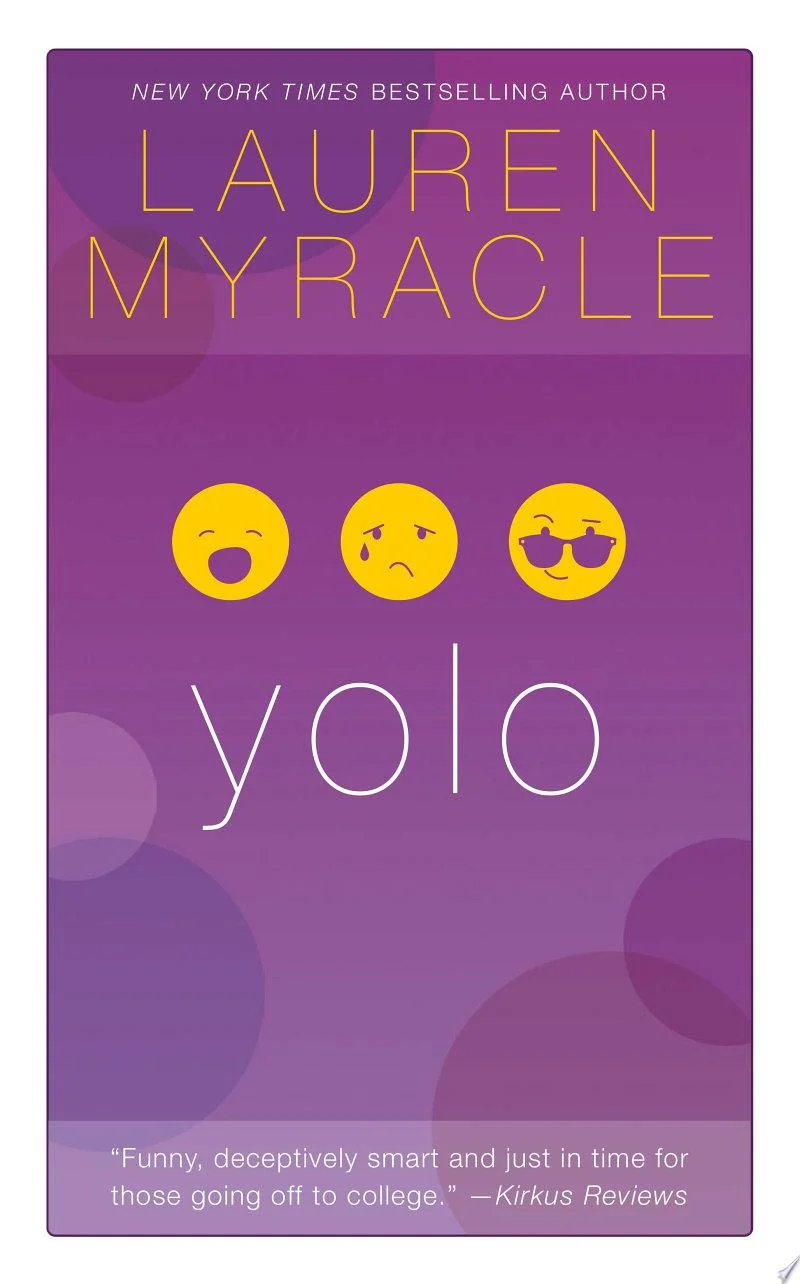
yolo
- Publication Date:
- August 26th, 2014
- Publisher:
- Abrams
- ISBN-13:
- 9781613125045
- ISBN-10:
- 1613125046
- Pages:
- 212
Why yolo Has Been Challenged
Objections to yolo center less on any single scene than on its overall subject matter: a story about newly independent teenagers encountering alcohol, parties, and the social pressures of college life without a heavily moralizing frame around those choices. See more ↓
Challenged or banned in 6 states across 21 school districts.
Overview
yolo closes out Lauren Myracle's Internet Girls series, moving its three central characters from the hallways of high school into the scattered geography of college. Maddie, Zoe, and Angela, whose friendship anchored the earlier books, now attend schools in California, Ohio, and Georgia respectively, and the novel is built entirely around how that distance reshapes them.
As in the rest of the series, the story unfolds through text messages and other digital exchanges rather than conventional narration, a format Myracle has used since the first book to capture how teenagers actually communicate. The device carries an added weight here: separated by thousands of miles, the girls have only their phones to hold the friendship together.
Alongside the strain of distance, each girl works through her own first-semester adjustments, including Zoe's uncertainty about whether her relationship with Doug can survive being apart and Maddie's parallel worries about her boyfriend Ian. Maddie's answer to the widening gap is a plan to manufacture shared experience however she can, whether by pushing the group toward new pursuits like roller derby or simply insisting on staying present with one another.
A Series Finale in Real Time
By the time yolo arrived, the Internet Girls series had spent several books tracking its characters in near real time, and this installment functions as much as a snapshot of a particular technological moment as it does a coming-of-age story. Texting and tweeting are not backdrop but structure, and the choice to end the series at the threshold of college rather than within it lets Myracle treat the transition itself, rather than campus life, as the subject.
Reviewers noted the book's willingness to depict the more unsettling edges of that transition, including drinking, party culture, and the isolation that can follow a student who withdraws socially, while still keeping the tone accessible to the series' teen readership. That combination, an unfiltered look at early college pressures delivered through a breezy, familiar format, is largely what has defined the book's reception: praised as candid and true to the experience it depicts, even as that same candor has made it a target for objection elsewhere.
Why yolo Has Been Challenged
Objections to yolo center less on any single scene than on its overall subject matter: a story about newly independent teenagers encountering alcohol, parties, and the social pressures of college life without a heavily moralizing frame around those choices. Critics of the book have pointed to its treatment of drinking and partying as normalized rather than clearly condemned, and to its frank handling of teen relationships and sexuality, as reasons it is unsuited for school shelves. The informal, unfiltered voice created by the text-message format, the same quality praised in reviews for its authenticity, has also drawn concern from those who feel it presents risky behavior too casually for a young audience. In the catalog tracked here, yolo has been challenged or banned in 6 states and 21 districts, reflecting how frequently its content has been flagged despite its standing as a well-reviewed conclusion to a widely read series.
Where to Buy


Affiliate links may generate a small commission at no extra cost to you, which helps support this site.
About Lauren Myracle
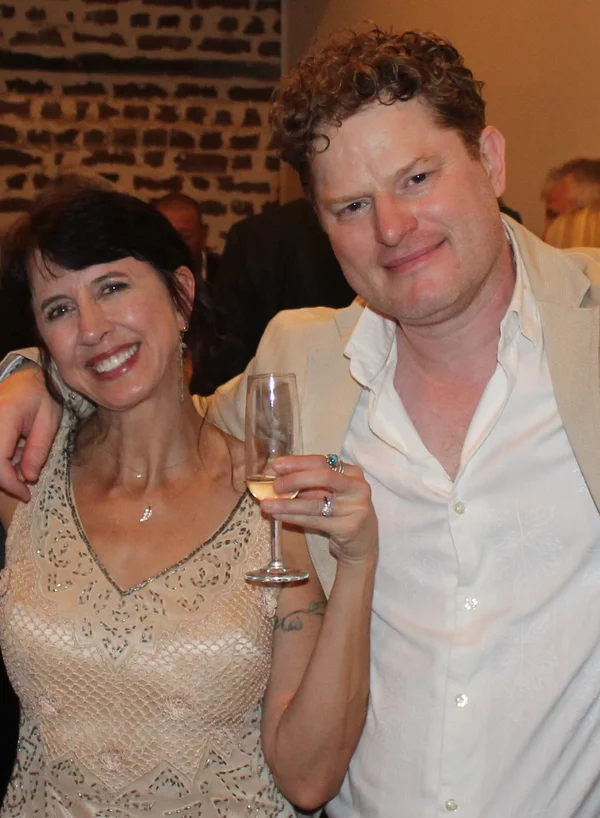
Lauren Myracle is the New York Times bestselling author of more than thirty books for young readers, known especially for her Winnie Years series and the internet Girls trilogy. Her work focuses unflinchingly on the social lives and emotional realities of teenage girls. She has been one of the most challenged authors in American school libraries for over two decades, with multiple titles appearing regularly on the ALA's list of most frequently banned books.
Also by Lauren Myracle
Banned in Schools
Banned or challenged in 6 states across 21 school districts.
Alaska 1 district
- Matanuska-Susitna Borough School District Banned pending investigation
Florida 9 districts
- Bay District Schools Banned
- Broward County Public Schools Banned Pending Investigation
- Hillsborough County Public Schools Banned
- Lee County Schools Banned
- Orange County Public Schools Banned pending investigation
- School District of Osceola County Banned
- School District of Palm Beach County Banned
- Seminole County Public Schools Banned
- Union County School District Banned
Iowa 5 districts
- CAM Community School District Banned
- Keota Community School District Banned
- Linn-Mar Community School District Banned pending investigation
- Sigourney Community School District Banned
- West Des Moines Community Schools Banned pending investigation
Tennessee 1 district
- Wilson County Schools Banned
Texas 4 districts
- Fort Bend Independent School District Banned by Restriction
- Fort Worth Independent School District Banned pending investigation
- Lamar Consolidated Independent School District Banned
- Plano Independent School District Banned