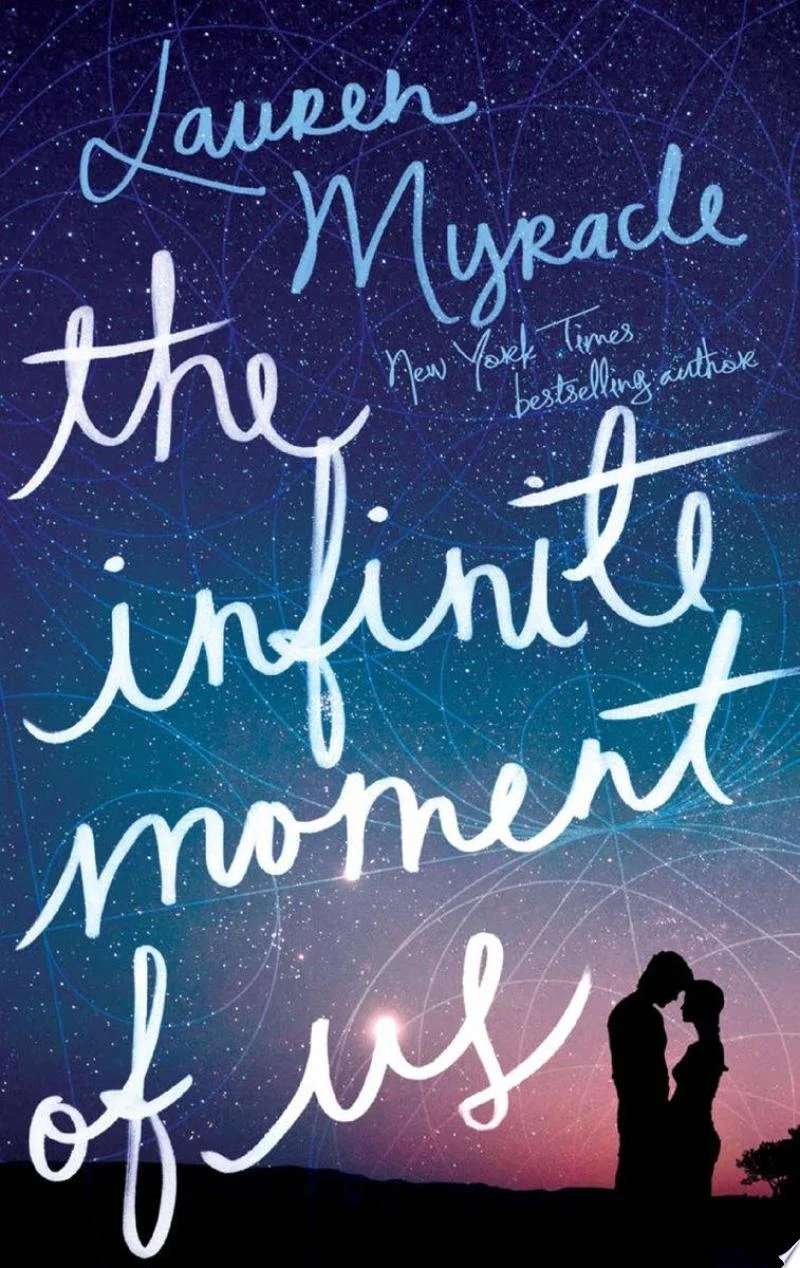
The Infinite Moment of Us
- Publication Date:
- August 27th, 2013
- Publisher:
- Abrams
- ISBN-13:
- 9781613125403
- ISBN-10:
- 1613125402
- Pages:
- 255
Why The Infinite Moment of Us Has Been Challenged
Objections to The Infinite Moment of Us center almost entirely on its treatment of teenage sexuality. See more ↓
Challenged or banned in 7 states across 33 school districts.
Overview
The Infinite Moment of Us follows Wren Gray, a recent high school graduate who has spent her life shaping herself around her parents' expectations, only to find that pleasing them no longer feels like pleasing herself. As she edges toward independence, she must confront how little she actually knows about her own wants.
Opposite Wren is Charlie Parker, a quietly damaged boy who has carried a private devotion to her for years, convinced that someone like Wren could never see him the way he sees her. Myracle sets their reunion in the loose, unstructured summer between high school and whatever comes next, a season when old identities are still shedding and new ones haven't yet formed.
As Wren and Charlie's lives intersect, the novel traces their relationship from tentative recognition into physical and emotional intimacy, treating both with equal weight. The book is less concerned with plot mechanics than with the interior experience of first love: the vulnerability of wanting someone, and the negotiation of trust that comes with acting on it.
A Study in First Love and Autonomy
Myracle, known for young-adult fiction that engages frankly with adolescent life, uses Wren and Charlie's story to examine a moment many coming-of-age narratives gesture toward but rarely dwell in: the point at which a young person's sense of self starts to separate from a parent's version of who they should be. Wren's arc is as much about self-definition as it is about romance.
The novel has been noted, including by trade reviewers, for depicting sexual intimacy between its teenage characters as an extension of an established, respectful relationship rather than as a narrative shortcut or cautionary episode. That choice places the book within a small lineage of YA novels that treat teenage sexuality as a subject worth rendering honestly rather than avoiding or moralizing. Told from alternating perspectives, the book gives equal interior access to both Wren and Charlie, underscoring that the story is as much about mutual emotional growth as it is about desire.
Why The Infinite Moment of Us Has Been Challenged
Objections to The Infinite Moment of Us center almost entirely on its treatment of teenage sexuality. The book's scenes of physical intimacy between Wren and Charlie, described by some reviewers as frank rather than gratuitous, have led challengers to characterize the novel as sexually explicit content unsuitable for school shelves. Complaints frequently frame the material as inappropriate for the age group despite the characters themselves being recent high school graduates.
Related objections point to the book's broader depiction of a sexually active teenage relationship, arguing that its candor normalizes behavior some parents and community members would rather see discouraged or left unaddressed in school and library settings. These concerns echo the debates that have historically followed other coming-of-age novels dealing openly with adolescent intimacy. In this catalog, the title has been documented as challenged or restricted in 7 states and 33 districts, reflecting how consistently its content has drawn scrutiny across differing communities and review processes.
Where to Buy


Affiliate links may generate a small commission at no extra cost to you, which helps support this site.
About Lauren Myracle
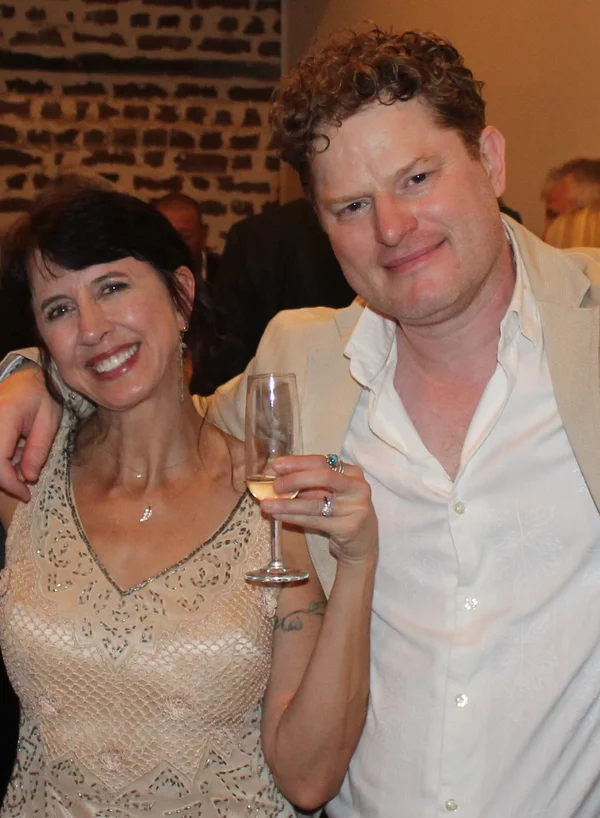
Lauren Myracle is the New York Times bestselling author of more than thirty books for young readers, known especially for her Winnie Years series and the internet Girls trilogy. Her work focuses unflinchingly on the social lives and emotional realities of teenage girls. She has been one of the most challenged authors in American school libraries for over two decades, with multiple titles appearing regularly on the ALA's list of most frequently banned books.
Also by Lauren Myracle
Banned in Schools
Banned or challenged in 7 states across 33 school districts.
Florida 7 districts
- Citrus County School District Banned
- Hillsborough County Public Schools Banned Pending Investigation
- Nassau County School District Banned
- Orange County Public Schools Banned pending investigation
- School District of Manatee County Banned
- Seminole County Public Schools Banned
- Union County School District Banned
Georgia 2 districts
- Cobb County School District Banned
- Marietta City Schools Banned
Indiana 1 district
- New Prairie United School Corporation Banned by restriction
Iowa 16 districts
- Ankeny Community School District Banned
- Bondurant-Farrar Community School District Banned pending investigation
- Clear Lake Community School District Banned
- Decorah Community School District Banned pending investigation
- Dubuque Community School District Banned
- Indianola Community School District Banned
- Iowa City Community School District Banned pending investigation
- Nevada Community School District Banned
- Norwalk Community School District Banned pending investigation
- Shenandoah Community School District Banned
- Southeast Polk Community School District Banned
- Union Community School District Banned
- Urbandale Community School District Banned pending investigation
- Waterloo Community School District Banned pending investigation
- West Des Moines Community Schools Banned pending investigation
- Winterset Community School District Banned
Tennessee 1 district
- Wilson County Schools Banned
Texas 5 districts
- Fort Bend Independent School District Banned by Restriction
- Fort Worth Independent School District Banned pending investigation
- Lamar Consolidated Independent School District Banned
- North East Independent School District Banned
- Plano Independent School District Banned