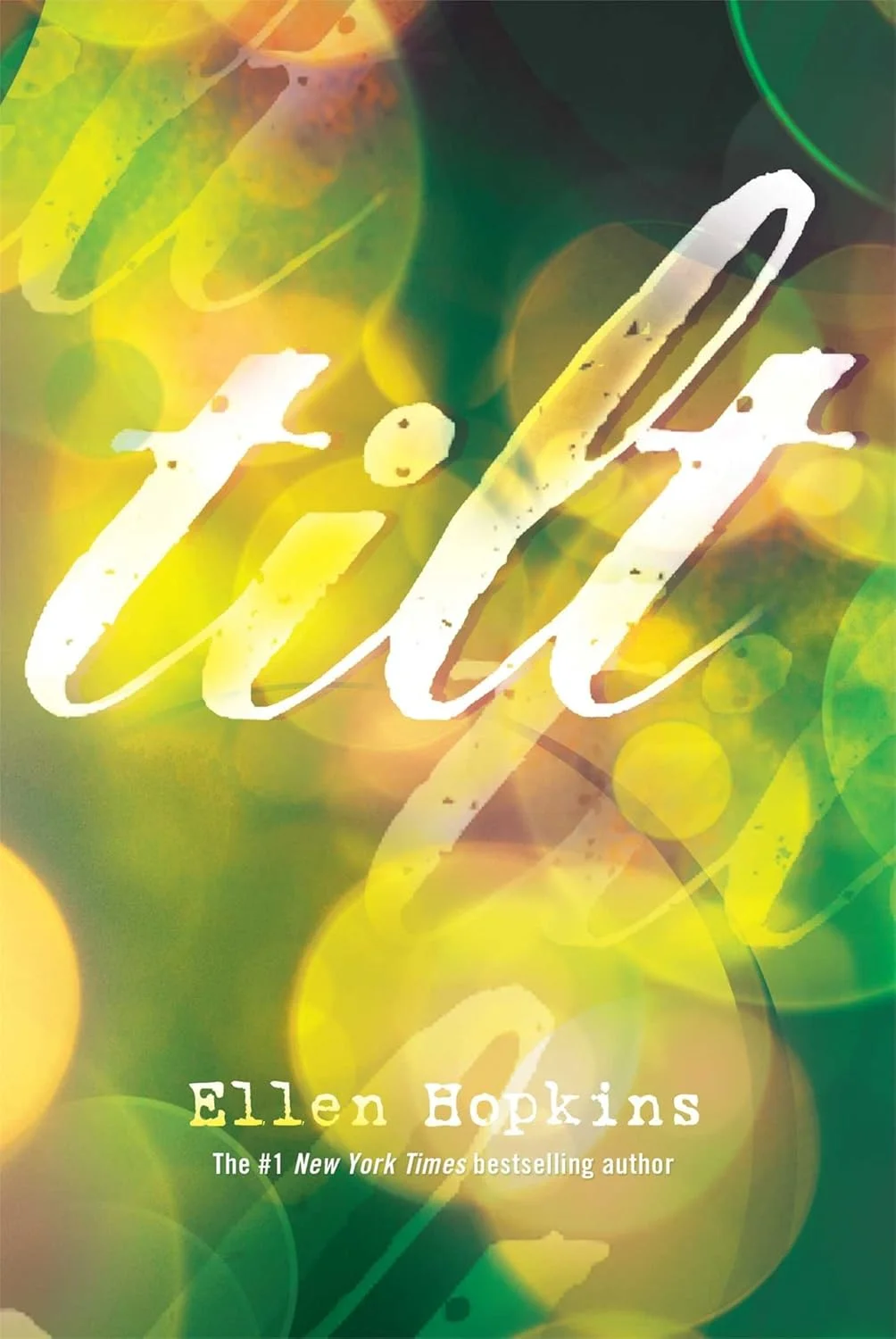
Tilt
- Publication Date:
- February 11th, 2014
- Publisher:
- Simon and Schuster
- ISBN-13:
- 9781416983316
- ISBN-10:
- 1416983317
- Pages:
- 624
About Tilt
Tilt is a 2012 novel-in-verse by Ellen Hopkins, published by Margaret K. McElderry Books. It follows three teenagers in parallel: Shane, Mikayla, and Harley — three young people whose lives are shaped by the poor choices of the adults around them, and who must navigate love itself under those circumstances.
Shane is coming into awareness of his own sexuality and finds his first real relationship with a boy named Caleb, navigating his conservative family's expectations while learning what it means to love someone and be loved in return. Mikayla is in a serious relationship with Dylan that she believes is the center of her world — until she discovers that love can be used as a form of control. Harley, the youngest of the three, is searching for experiences that will make her feel real, and moves toward increasingly risks in her search for sensation and connection.
The three narratives are woven together through their parents — the adults in their lives are struggling with addiction, infidelity, and their own forms of emotional abandonment, and the teenagers must construct themselves in the spaces those failures create. Hopkins shows how family dysfunction cascades across generations not as abstraction but as the specific, textured damage that lands differently on each of three different young people.
Ellen Hopkins's Approach
Tilt continues Hopkins's practice of giving readers the most honest possible account of experiences that literature for young people typically sanitizes or omits. Her verse form — long, shaped lines, white space used for weight and emphasis — creates the closest possible relationship between form and psychological content in contemporary young adult literature. She has said in interviews that she writes for the teenagers who feel unseen by the books they are handed in school — who do not recognize their lives in those books and feel that their lives must therefore be unworthy of literature.
The novel stands somewhat apart from Hopkins's grittiest work in that its central concern is love rather than crisis — though the crises are present throughout. It is among her most emotionally intricate novels and has been described by readers as the most accessible entry point into her body of work.
Why Tilt Has Been Banned
Tilt has been banned or challenged across 11 states in 60 school districts. The challenges cite sexual content — particularly Shane's relationship with Caleb and Harley's increasingly risky sexual behavior — as well as the novel's language and its honest treatment of parental addiction and neglect. Mikayla's storyline, which involves a controlling and ultimately abusive relationship, has also been cited in some challenges as inappropriate for school settings.
The novel's depiction of a same-sex relationship between teenage boys has driven a number of the challenges, particularly in more conservative districts. Shane's storyline is tender and specific — it is not about crisis or coming-out trauma in the conventional sense but about the particular texture of first love within a family that has not prepared him for it. For many LGBTQ+ teen readers, that specificity is exactly what makes it important.
Where to Buy


Affiliate links may generate a small commission at no extra cost to you, which helps support this site.
About Ellen Hopkins
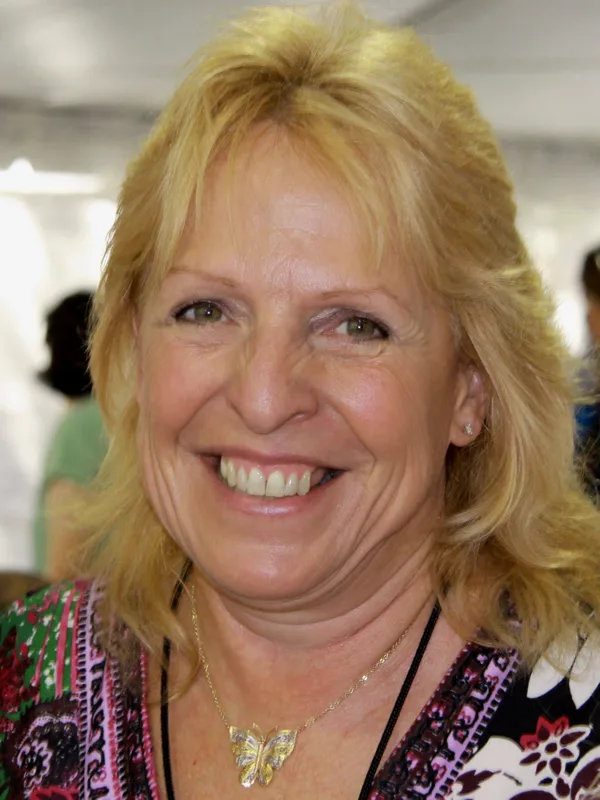
Ellen Hopkins is the author of more than a dozen bestselling verse novels for young adults, most inspired directly by her daughter's methamphetamine addiction. Her Crank trilogy—Crank, Glass, and Fallout—is based on real events in her family's life and is among the most challenged series in American schools. Four of her novels appear on the ALA's top 100 banned and challenged books of 2010–2019. She was inducted into the Nevada Writers Hall of Fame in 2015.
Also by Ellen Hopkins
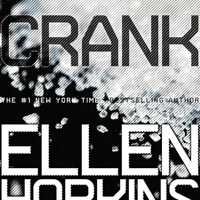
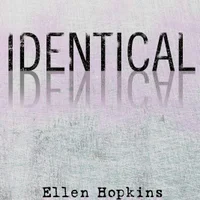
Banned in Schools
Banned or challenged in 11 states across 60 school districts.
Alaska 1 district
- Matanuska-Susitna Borough School District Banned pending investigation
Florida 18 districts
- Broward County Public Schools Banned Pending Investigation
- Collier County Public Schools Banned
- Escambia County Public Schools Banned pending investigation
- Hillsborough County Public Schools Banned
- Lee County Schools Banned
- Nassau County School District Banned
- Okaloosa County School District Banned
- Orange County Public Schools Banned pending investigation
- Pasco County Schools Banned
- Pinellas County Schools Banned by restriction
- Polk County Public Schools Banned pending investigation
- Santa Rosa County Schools Banned pending investigation
- School District of Manatee County Banned pending investigation
- School District of Osceola County Banned
- School District of Palm Beach County Banned
- Seminole County Public Schools Banned
- Union County School District Banned
- Volusia County Schools Banned
Iowa 28 districts
- Adel DeSoto Minburn Community School District Banned
- Ankeny Community School District Banned
- Aplington-Parkersburg Community School District Banned
- Boone Community School District Banned
- Cardinal Community School District Banned
- Chariton Community School District Banned pending investigation
- Clarion-Goldfield-Dows Community School District Banned pending investigation
- Clear Lake Community School District Banned
- Dallas Center-Grimes Community School District Banned pending investigation
- Indianola Community School District Banned
- Linn-Mar Community School District Banned pending investigation
- Lisbon Community School District Banned
- Louisa-Muscatine Community School District Banned pending investigation
- Northeast Community School District Banned pending investigation
- Northwood Kensett Community School District Banned
- Norwalk Community School District Banned pending investigation
- Oskaloosa Community School District Banned
- Ridge View Community School District Banned
- Shenandoah Community School District Banned
- Sigourney Community School District Banned
- Solon Community School District Banned
- South Tama County Community School District Banned
- Southeast Polk Community School District Banned
- Spencer Community School District Banned
- Union Community School District Banned
- Urbandale Community School District Banned pending investigation
- Van Buren County Community School District Banned
- West Des Moines Community Schools Banned pending investigation
Maine 1 district
- Hermon School Department Banned by restriction
Maryland 1 district
- Caroll County School District Banned by restriction
Missouri 1 district
- Cameron R-1 School District Banned by restriction
North Carolina 1 district
- Burke County Public Schools Banned
Tennessee 3 districts
- Knox County Schools Banned
- Rutherford County Schools Banned
- Wilson County Schools Banned
Texas 3 districts
- Fort Worth Independent School District Banned pending investigation
- Lamar Consolidated Independent School District Banned
- Plano Independent School District Banned
Virginia 2 districts
- Hanover County Public Schools Banned
- King George County Schools Banned by Restriction
Wisconsin 1 district
- Elkhorn Area School District Banned by restriction