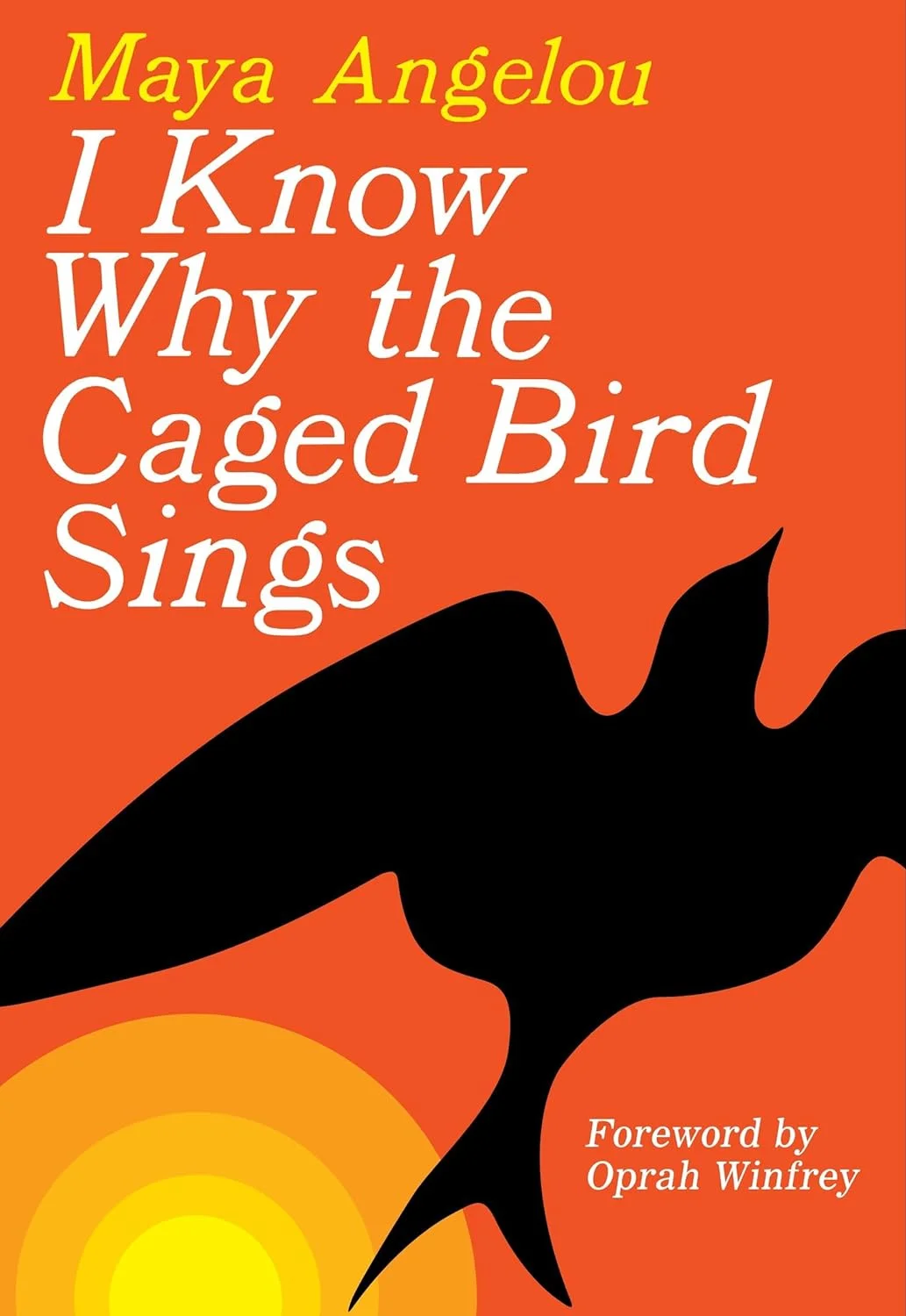
I Know Why the Caged Bird Sings
by Maya Angelou
- Publication Date:
- April 21st, 2009
- Publisher:
- Random House Trade Paperbacks
- ISBN-13:
- 9780812980028
- ISBN-10:
- 0812980026
- Pages:
- 305
About I Know Why the Caged Bird Sings
I Know Why the Caged Bird Sings is Maya Angelou's debut memoir, first published in 1969 by Random House. It is the first of seven autobiographical volumes and covers her childhood from age three through her early teens — primarily her years growing up in Stamps, Arkansas with her grandmother, Annie Henderson, and her brother Bailey, with intermittent periods in St. Louis and San Francisco. The book takes its title from a poem by Paul Laurence Dunbar.
The memoir begins with Angelou and her brother being sent to live with their grandmother after their parents' marriage ends. In Stamps, a deeply segregated town in the Arkansas Delta, she encounters the full apparatus of Jim Crow — the daily humiliations of legalized racial inequality, the dignity her grandmother maintained in the face of white contempt, and the church community that gave Black life in that town its structure and meaning. These early chapters are among the most finely observed depictions of Black Southern life in the twentieth century.
At eight years old, after being sent to live with her mother and her mother's boyfriend, Freeman, in St. Louis, Angelou is sexually abused and then raped. After she discloses the abuse and Freeman is convicted, he is killed — likely by Angelou's uncles. Believing her words caused his death, she stops speaking almost entirely for years. Her recovery of voice — through books, through a teacher named Bertha Flowers, through language itself — becomes the central arc of the memoir's second half.
Language, Silence, and Recovery
The memoir's central concern is the relationship between language and selfhood. Angelou writes about how silence became both self-protection and jail — a retreat so deep that it risked becoming permanent. The figure of Bertha Flowers, who gives Angelou books and insists that the written word must be heard aloud, represents the first wedge that cracks open that silence. Literature is not a decoration but a rescue mechanism.
Angelou's prose style in the memoir reflects this consciousness of language as power. The writing is meticulous and richly voiced — every sentence carries the awareness of a writer who has thought hard about what words do and why they matter. The book belongs to a tradition of African American autobiography — from Frederick Douglass through Richard Wright — in which the acquisition of literacy is inseparable from the acquisition of personhood.
The title itself is from Dunbar's poem "Sympathy," which contrasts the free bird singing as it "dares to claim the sky" with the caged bird that beats its wings against the bars and sings not from joy but from protest and longing. The choice of that image for a book's title is a political act: it names the memoir as a literature of resistance before you've read a word of it.
Why I Know Why the Caged Bird Sings Has Been Banned
I Know Why the Caged Bird Sings has been banned or challenged in 49 districts across 8 states — Florida, Iowa, Missouri, Tennessee, Texas, Utah, Virginia, and Wisconsin. The challenges cite the memoir's depiction of sexual abuse, its language, and in some cases its frank treatment of racism. It has been one of the most challenged books in America for more than fifty years.
The persistent effort to remove this memoir from school libraries is itself significant. Angelou's account is of things that happened to her — the sexual abuse happened, the racism happened, the terror of Jim Crow happened. To challenge the book for depicting those realities is to challenge the legitimacy of her experience as a subject for young people to encounter in school. Critics of the book argue that young readers need to be protected from its content; advocates argue that young readers — particularly Black students — need exactly the kind of literature that insists their experience and their history are worthy of serious literary attention.
Where to Buy


Affiliate links may generate a small commission at no extra cost to you, which helps support this site.
About Maya Angelou
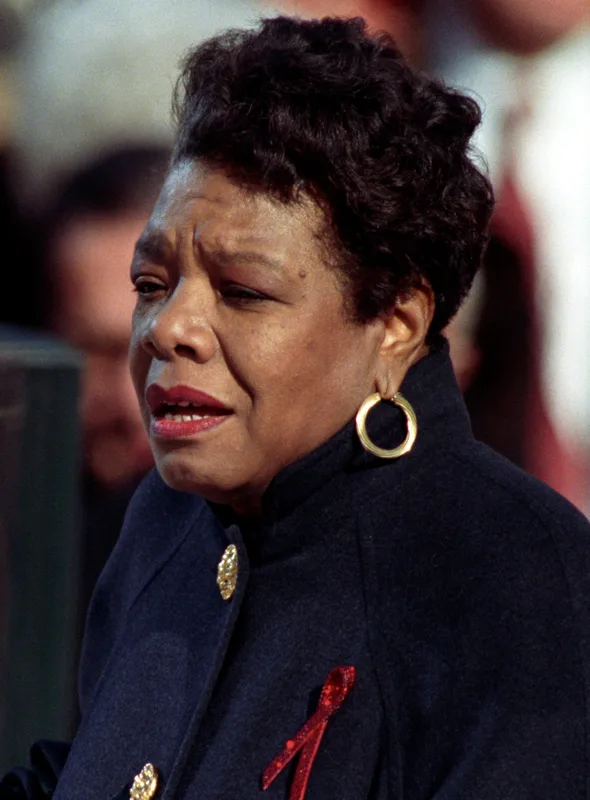
Maya Angelou (1928–2014) was an American memoirist, poet, and civil rights activist whose 1969 debut, I Know Why the Caged Bird Sings, became one of the most celebrated and most challenged books in American literature. She received the Presidential Medal of Freedom, three Grammy Awards, and more than fifty honorary degrees. She was the first Black woman depicted on a U.S. quarter.
Banned in Schools
Banned or challenged in 8 states across 49 school districts.
Florida 9 districts
- Charlotte County Public Schools Banned
- Citrus County School District Banned by Restriction
- Clay County School District Banned
- Duval County Public Schools Banned pending investigation
- Escambia County Public Schools Banned pending investigation
- Hillsborough County Public Schools Banned Pending Investigation
- Orange County Public Schools Banned pending investigation
- Union County School District Banned pending investigation
- Volusia County Schools Banned Pending Investigation
Iowa 29 districts
- Ankeny Community School District Banned pending investigation
- Boone Community School District Banned
- Cedar Falls Community School District Banned pending investigation
- Clarinda Community School District Banned
- Clarion-Goldfield-Dows Community School District Banned pending investigation
- Clear Lake Community School District Banned
- Council Bluffs Community School District Banned pending investigation
- Decorah Community School District Banned pending investigation
- Dubuque Community School District Banned
- East Union Community School District Banned
- Grundy Center Community School District Banned
- Linn-Mar Community School District Banned pending investigation
- Madrid Community School District Banned
- Marshalltown Community School District Banned
- Mason City Community Schools Banned pending investigation
- Mediapolis Community School District Banned
- Nevada Community School District Banned
- Northeast Community School District Banned pending investigation
- Northwood Kensett Community School District Banned
- Oskaloosa Community School District Banned
- Pocahontas Area Community School District Banned
- Ridge View Community School District Banned
- Spencer Community School District Banned
- Spirit Lake Community School District Banned
- Waukee Community School District Banned pending investigation
- West Burlington Independent School District Banned
- West Des Moines Community Schools Banned pending investigation
- Western Dubuque Community School District Banned
- Winterset Community School District Banned
Missouri 1 district
- Cameron R-1 School District Banned by restriction
Tennessee 3 districts
- Oak Ridge Schools Banned
- Roane County Community School District Banned
- Wilson County Schools Banned
Texas 3 districts
- Lamar Consolidated Independent School District Banned
- Nacogdoches Independent School District Banned by Restriction
- North East Independent School District Banned
Utah 2 districts
- Davis School District Banned
- Granite School District Banned pending investigation
Virginia 1 district
- King George County Schools Banned by Restriction
Wisconsin 1 district
- Elkhorn Area School District Banned by restriction