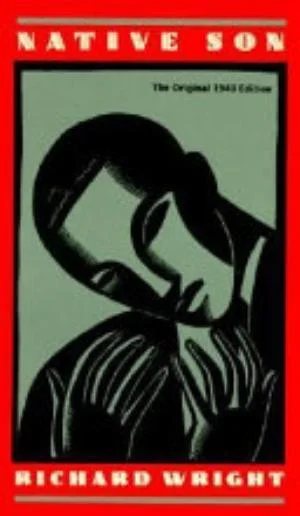
Native Son
- Publication Date:
- January 1st, 1989
- Publisher:
- HarpPeren
- ISBN-13:
- 9780060809775
- ISBN-10:
- 0060809779
- Pages:
- 446
Why Native Son Has Been Challenged
Objections to Native Son have centered on its graphic violence, including a murder depicted in disturbing physical detail, along with sexual content and coarse language that some parents and reviewers have judged inappropriate for younger readers. See more ↓
Challenged or banned in 5 states across 27 school districts.
Overview
Set on Chicago's South Side, Native Son follows Bigger Thomas, a young Black man whose constrained circumstances and internalized rage propel him toward a devastating act of violence. Richard Wright uses Bigger's story to trace how systemic deprivation narrows a person's sense of what is possible, turning fear and frustration into catastrophe.
The novel moves from the cramped, rat-infested tenement where Bigger's family lives into the home of a wealthy white employer, juxtaposing two Americas that rarely acknowledge one another. Wright renders this collision with unflinching detail, refusing to soften the social forces bearing down on his protagonist.
Upon publication, the book was recognized as a major and commercially successful work of American fiction, notable for confronting readers directly with the human costs of segregation and economic exclusion rather than offering them at a comfortable remove.
A Landmark of American Protest Fiction
Native Son arrived as one of the starkest literary indictments of racial and economic injustice yet produced by an American writer, and it reshaped expectations for what fiction about Black life in America could do. Where earlier works often aimed to present respectable, sympathetic portraits meant to persuade white readers of Black humanity, Wright deliberately built his novel around a protagonist who is angry, frightened, and capable of terrible acts—insisting that the conditions producing Bigger Thomas, not his likability, were the real subject demanding scrutiny.
The novel's naturalistic method, in which environment and social structure exert an almost deterministic pressure on individual choice, invited debate from the moment of its release and has continued to do so. Decades later, writers including James Baldwin would grapple publicly with Wright's approach, arguing over whether protest fiction like Native Son illuminated or oversimplified the interior lives of its Black characters. That ongoing argument is itself part of the book's legacy: few American novels have done more to force a reckoning with how fiction should represent race, poverty, and violence without flattening any of the three.
Within Wright's own body of work, Native Son stands as the book that established him as a major literary voice and set the terms for the autobiographical and social writing that followed, including his later memoir. It remains a touchstone in discussions of the Great Migration, urban segregation, and the literature of the Chicago Black Belt.
Why Native Son Has Been Challenged
Objections to Native Son have centered on its graphic violence, including a murder depicted in disturbing physical detail, along with sexual content and coarse language that some parents and reviewers have judged inappropriate for younger readers. Because the novel refuses to distance its protagonist from his crimes or render them abstractly, passages describing the killing and its aftermath have repeatedly been singled out as too intense or explicit for classroom use.
The book's frank treatment of racial hatred and its unsparing view of both Black and white characters have also drawn criticism, with some challengers objecting to its bleak portrayal of race relations or to specific racial language used within the narrative. Others have raised concerns about the novel's overall tone of despair and its suggestion that social conditions can drive a person toward violence, which critics have sometimes read as excusing rather than explaining Bigger's actions.
These concerns have led to Native Son being challenged or restricted in 5 states and 27 school districts tracked in this catalog, placing it among the more frequently contested works of twentieth-century American literature despite its recognized literary significance.
Where to Buy


Affiliate links may generate a small commission at no extra cost to you, which helps support this site.
About Richard Wright
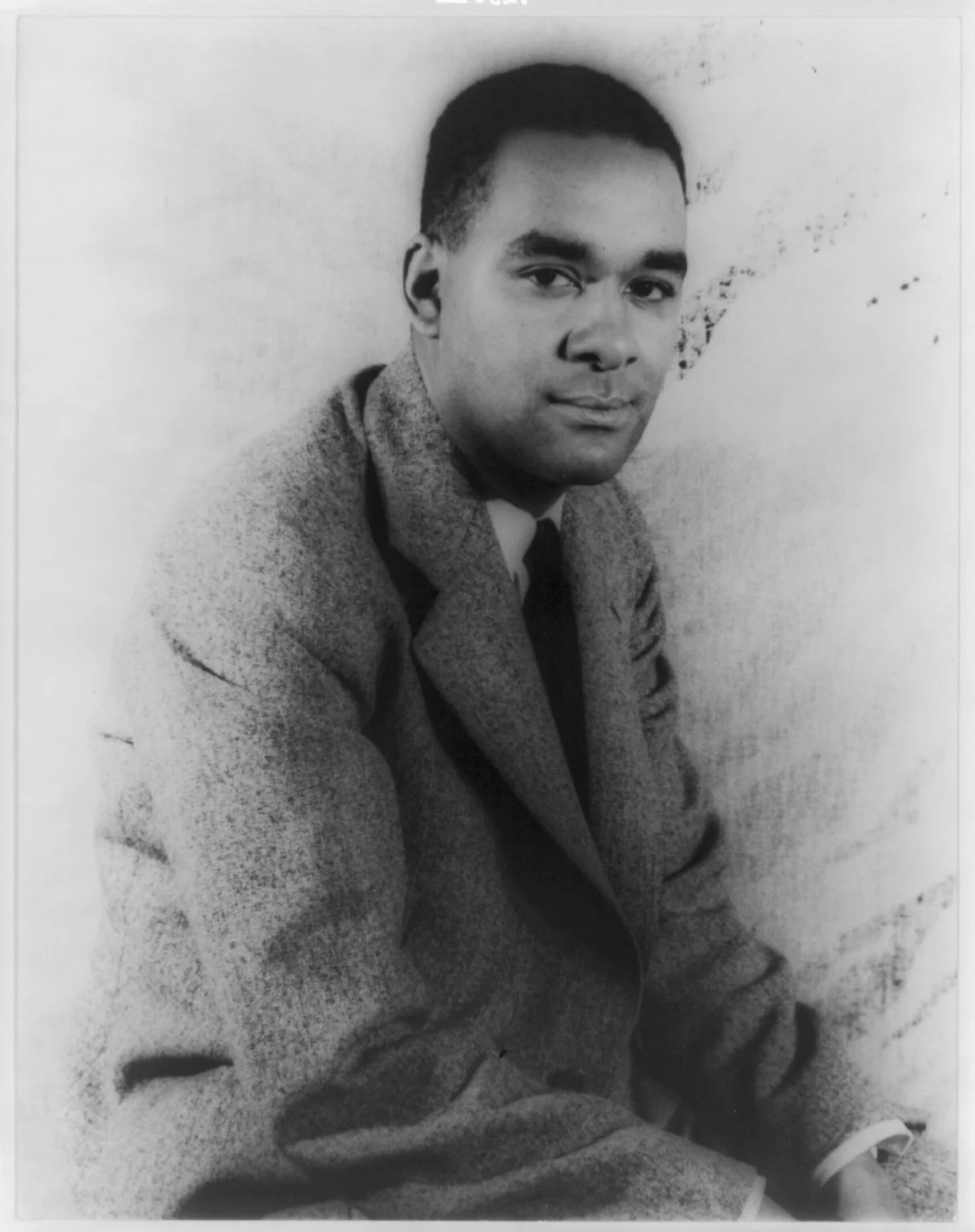
Richard Wright (1908–1960) was an American novelist and memoirist whose 1940 novel Native Son established him as one of the most important Black writers in American literary history. Born into poverty in rural Mississippi, he moved to Chicago as a young man and later became an expatriate in Paris, where he lived until his death. His work, including the memoir Black Boy (1945), confronted American racism and economic injustice with an unflinching directness that reshaped expectations for American fiction. Native Son remains a frequent target of school and library challenges over its violence and language.
Banned in Schools
Banned or challenged in 5 states across 27 school districts.
Florida 6 districts
- Escambia County Public Schools Banned pending investigation
- Hillsborough County Public Schools Banned Pending Investigation
- Martin County Schools Banned
- Orange County Public Schools Banned pending investigation
- Union County School District Banned
- Volusia County Schools Banned
Iowa 17 districts
- Albia Community School District Banned
- Boone Community School District Banned
- Cardinal Community School District Banned
- Cedar Falls Community School District Banned pending investigation
- Clarion-Goldfield-Dows Community School District Banned pending investigation
- Dubuque Community School District Banned
- Grundy Center Community School District Banned
- Keota Community School District Banned
- Knoxville Community School District Banned
- Lewis Central Community School District Banned
- Marshalltown Community School District Banned
- Northwood Kensett Community School District Banned
- Roland-Story Community School District Banned
- Shenandoah Community School District Banned
- Spencer Community School District Banned pending investigation
- Urbandale Community School District Banned pending investigation
- Van Buren County Community School District Banned
Tennessee 1 district
- Oak Ridge Schools Banned
Texas 2 districts
- Lamar Consolidated Independent School District Banned
- Nacogdoches Independent School District Banned by Restriction
Wisconsin 1 district
- Elkhorn Area School District Banned by restriction