
Fallout
- Publication Date:
- August 6th, 2013
- Publisher:
- Simon and Schuster
- ISBN-13:
- 9781442471801
- ISBN-10:
- 1442471808
- Pages:
- 720
About Fallout
Fallout is the 2010 concluding volume of Ellen Hopkins's Crank trilogy, published by Margaret K. McElderry Books. Like its predecessors Crank and Glass, it is written in Hopkins's distinctive verse form — long, shaped lines on white pages, with the physical arrangement of words on the page carrying emotional and psychological weight alongside the words themselves.
Fallout moves the story forward by an entire generation. Crystal Meth — the persona that consumed Kristina Snow in the earlier books — remains largely offstage. Her three children, each raised in different circumstances by different people, take center stage. Hunter, the eldest, grew up with his grandparents and carries the most awareness of what his mother became; he is building a life and a romantic relationship, but the legacy of his origins keeps surfacing. Autumn, raised by her father, has her own struggles with the violence and instability that addiction ripples through families. Summer, Kristina's youngest, grew up in foster care, closest to the raw deprivation that was the direct fallout of her mother's choices.
The three parallel narratives converge as each character independently confronts what their mother's addiction actually cost — not in dramatic terms but in the quieter, more pervasive damage to attachment, self-worth, and the capacity to trust. The novel is, in this sense, about generational trauma as a specific and measurable thing.
The Crank Trilogy in Context
Ellen Hopkins based the Crank trilogy on the experiences of her own daughter, who became addicted to methamphetamine. Crank was published in 2004 and drew on her daughter's journals. The series was among the first sustained literary treatments of the meth epidemic in young adult literature, written as it was unfolding in American communities.
With Fallout, Hopkins completed a project that had evolved from a mother's attempt to understand her daughter's addiction into a sustained literary examination of what addiction does to everyone who survives it. The novel is 720 pages — long for any genre — and that length is part of the argument: the fallout of addiction is not quick or clean. It extends through years, through generations, through relationships that never had a chance to be simple.
Hopkins's verse format is particularly effective in Fallout because the fractured line structure mirrors the fractured inner lives of her three protagonists. The form is not decorative but structural — it enacts the psychological reality it describes.
Why Fallout Has Been Banned
Fallout has been banned or challenged in 43 school districts across 9 states, including Florida, Iowa, Texas, and Virginia. The challenges cite drug content, sexual content, and strong language. All three of these elements are present in the novel, and all three are central to what the book actually is.
The drug content in Fallout is not glorifying but the opposite — Hopkins spent three volumes documenting the destruction caused by methamphetamine, and Fallout is the ledger of consequences. The sexual content reflects the lives of young people navigating intimacy under the specific conditions of family trauma. The language is the language of those young people as they actually speak. To remove any of these elements is to produce a different novel — one in which the meth epidemic is more comfortable to contemplate, which is precisely what Hopkins set out not to produce.
Where to Buy


Affiliate links may generate a small commission at no extra cost to you, which helps support this site.
About Ellen Hopkins
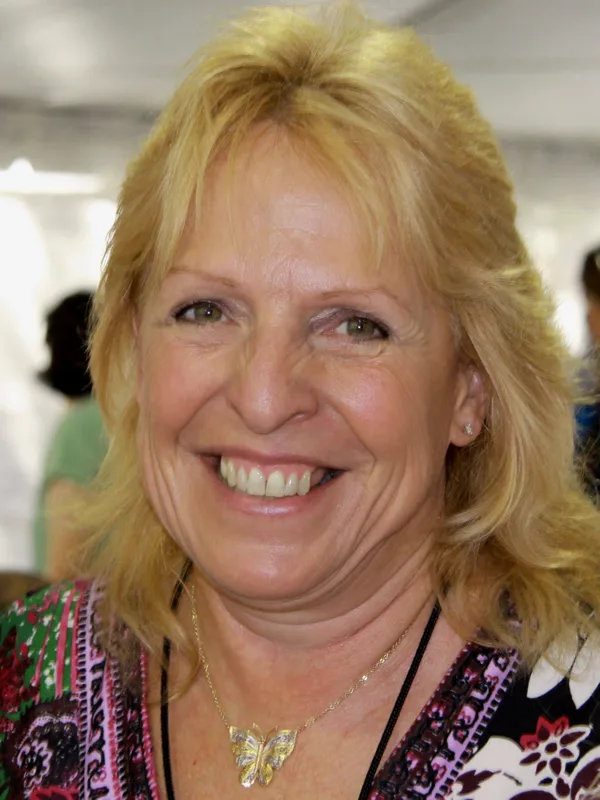
Ellen Hopkins is the author of more than a dozen bestselling verse novels for young adults, most inspired directly by her daughter's methamphetamine addiction. Her Crank trilogy—Crank, Glass, and Fallout—is based on real events in her family's life and is among the most challenged series in American schools. Four of her novels appear on the ALA's top 100 banned and challenged books of 2010–2019. She was inducted into the Nevada Writers Hall of Fame in 2015.
Also by Ellen Hopkins
Banned in Schools
Banned or challenged in 9 states across 43 school districts.
Colorado 1 district
- Elizabeth School District Banned
Florida 17 districts
- Bay District Schools Banned
- Charlotte County Public Schools Banned
- Collier County Public Schools Banned
- Duval County Public Schools Banned pending investigation
- Escambia County Public Schools Banned pending investigation
- Hillsborough County Public Schools Banned Pending Investigation
- Indian River County Schools Banned
- Lake County Schools Banned by restriction
- Lee County Schools Banned by restriction
- Nassau County School District Banned Pending Investigation
- Okaloosa County School District Banned pending investigation
- Orange County Public Schools Banned pending investigation
- Pinellas County Schools Banned by restriction
- Santa Rosa County Schools Banned pending investigation
- School District of Manatee County Banned by restriction
- Seminole County Public Schools Banned
- Union County School District Banned
Iowa 12 districts
- Adel DeSoto Minburn Community School District Banned
- Boone Community School District Banned
- CAM Community School District Banned
- Cedar Falls Community School District Banned pending investigation
- Central Lyon Community School District Banned
- Clarion-Goldfield-Dows Community School District Banned pending investigation
- Clear Lake Community School District Banned
- Grundy Center Community School District Banned
- Knoxville Community School District Banned
- Northeast Community School District Banned pending investigation
- Ridge View Community School District Banned
- Shenandoah Community School District Banned
Maine 1 district
- Hermon School Department Banned by restriction
North Carolina 1 district
- Burke County Public Schools Banned
Tennessee 3 districts
- Monroe County Schools Banned
- Rutherford County Schools Banned
- Wilson County Schools Banned
Texas 5 districts
- Fort Bend Independent School District Banned
- Fort Worth Independent School District Banned pending investigation
- Lamar Consolidated Independent School District Banned
- Nacogdoches Independent School District Banned by Restriction
- North East Independent School District Banned
Virginia 2 districts
- Hanover County Public Schools Banned
- King George County Schools Banned by Restriction
Wyoming 1 district
- Laramie County School District No. 1 Banned by Restriction