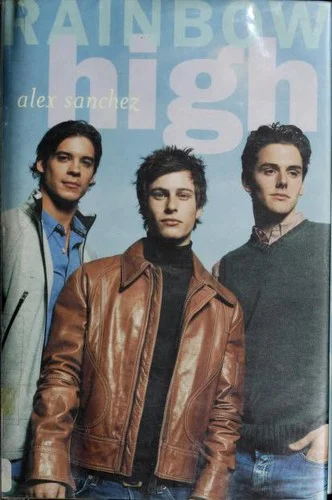
Rainbow High
by Alex Sanchez
- Publication Date:
- January 1st, 2003
- Publisher:
- Simon & Schuster
- ISBN-13:
- 9780689854774
- ISBN-10:
- 0689854773
- Pages:
- 247
Why Rainbow High Has Been Challenged
Critics have pushed back less on any single scene than on the book's premise itself, treating candid teen sexuality and gay protagonists as inherently unfit for school shelves. See more ↓
Challenged or banned in 2 states across 4 school districts.
Overview
Rainbow High picks up the story of a trio of friends as they move through their senior year, a stretch of life already thick with decisions about the future before any of them have to think about identity at all. For these three, the ordinary stress of applying to college and planning for graduation runs alongside a separate, harder set of questions: how open to be, with whom, and at what cost.
Alex Sanchez follows each young man through a different facet of that experience, from the nervousness of new romance to the blunt reality of how classmates, families, and institutions respond when a student is visibly gay. The novel treats these threads as part of one continuous senior year rather than as isolated "issues," letting school dances, college applications, and quiet conversations with parents sit in the same frame as fear and self-doubt.
What emerges is less a single dramatic arc than a composite portrait of three overlapping but distinct paths toward adulthood, each shaped by how much safety and acceptance a given character can count on.
Context and Reception
The novel is part of a loose series Sanchez began with an earlier book introducing the same characters, and it reflects a broader shift in young adult publishing toward stories that treat gay teenagers as protagonists navigating everyday milestones rather than as figures defined solely by crisis or tragedy. Coming-of-age staples — first relationships, friction with parents, the anxiety of leaving home — are given to characters whose sexuality is central to the story but not the entirety of it.
That approach places the book within a wider effort by YA authors of the era to normalize queer adolescence on the same terms long afforded straight characters: messy, funny, occasionally painful, and ultimately survivable. The book is frequently discussed alongside other early-2000s titles credited with expanding visibility for LGBTQ+ teen readers, a lineage that has made it a recurring reference point in conversations about representation in school and library collections.
Why Rainbow High Has Been Challenged
Sexual content and the book's treatment of gender and sexual identity sit at the center of most complaints. Passages addressing safe sex are frequently singled out as too explicit or too clinical for a school setting, with some objectors arguing that the information itself, regardless of context, is inappropriate for the intended age group.
A separate strand of criticism centers on the book's unflinching look at homophobia, which some have read as normalizing attitudes or situations they consider unsuitable for adolescent readers, rather than as a realistic depiction of pressures gay teens may face. Still other objections stem more broadly from discomfort with featuring gay protagonists and their romantic lives as the narrative's main focus at all. Taken together, these concerns have led to the book being challenged in 2 states and 4 districts tracked in this catalog, placing it among the titles most frequently contested on grounds of sexual content and LGBTQ+ subject matter.
Where to Buy




Affiliate links may generate a small commission at no extra cost to you, which helps support this site.
About Alex Sanchez
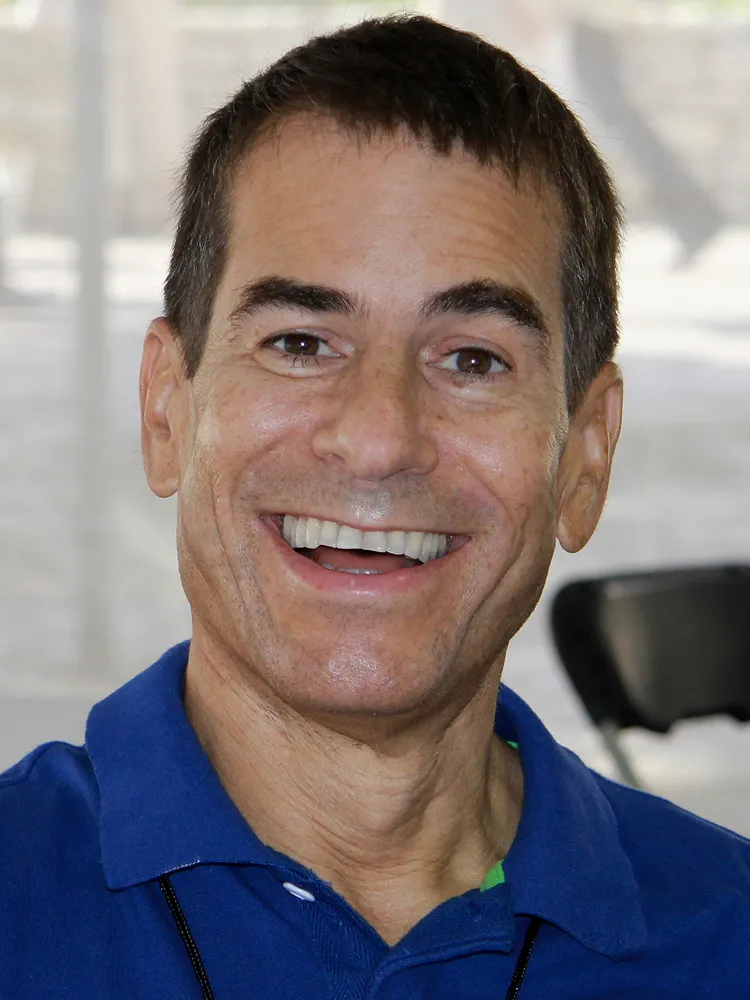
Alex Sanchez is a Mexico City-born, Cuban-German American author whose 2001 debut novel Rainbow Boys was one of the first mainstream young adult novels to center gay teenage characters. His books, including the Rainbow trilogy and Getting It, have won multiple Lambda Literary Awards and a Jim Duggins Outstanding Mid-Career Novelists' Prize. Rainbow Boys has been repeatedly challenged and removed from school reading lists and libraries since its publication.
Also by Alex Sanchez

Banned in Schools
Banned or challenged in 2 states across 4 school districts.
Florida 3 districts
- Hillsborough County Public Schools Banned Pending Investigation
- Union County School District Banned
- Volusia County Schools Banned Pending Investigation