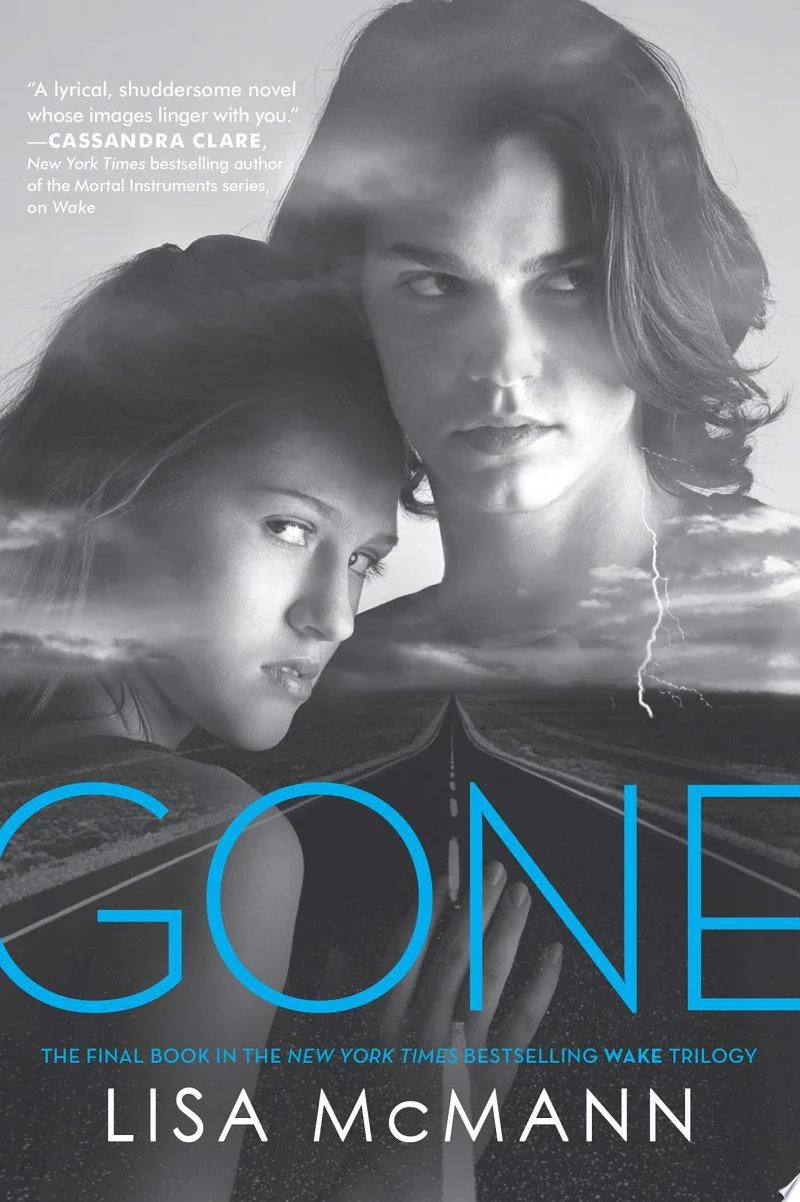
Gone
by Lisa McMann
- Publication Date:
- April 3rd, 2010
- Publisher:
- Simon and Schuster
- ISBN-13:
- 9781442413863
- ISBN-10:
- 1442413867
- Pages:
- 226
Why Gone Has Been Challenged
Objections to this installment center on its unfiltered treatment of a teen couple's physical relationship and the depiction of substance abuse as a source of real harm within the family. See more ↓
Challenged or banned in 3 states across 5 school districts.
Overview
Gone closes out Lisa McMann's Wake trilogy at the point where its heroine, Janie Hannagan, should finally get to exhale. High school is behind her, the relationship with Cabel has deepened into something steady, and summer stretches out ahead of them both. McMann uses that lull to let the cost of Janie's strange inheritance come due.
The ability to be pulled into other people's dreams, which has driven the series from the start, is no longer just inconvenient — it is actively breaking her down, and the book treats that deterioration as a countdown rather than a background detail. Into this pressure McMann drops a complication Janie never saw coming: a father she has never met, found unconscious and unreachable just as she needs answers most.
What follows is less a rescue plot than an excavation. Piecing together who her father was forces Janie to reckon with the fact that her power was never random, and that understanding its origin may cost her more control over her own life than she expected.
Legacy, Inheritance, and the Limits of Choice
As the final book in a trilogy, Gone is doing the work of resolution, and McMann chooses to resolve the series' central mystery — where Janie's ability comes from — by making it a question of lineage rather than coincidence. That choice reframes the whole trilogy retroactively: a gift that looked like an isolated burden turns out to be a family legacy, inherited along with whatever damage shaped the parent who passed it down.
The comatose father functions almost as a locked archive; Janie has to read his past the way she has spent two books reading strangers' dreams, except this time the stakes are personal and the answers implicate her own future. That structure lets McMann press on a question running under much of the series: how much of a person's fate is chosen, and how much is simply handed to them before they're old enough to refuse it.
The romance with Cabel, meanwhile, is written less as a subplot and more as the stable ground Janie is trying to stand on while everything else shifts — a pairing the series has built since its opening volume, and one that Gone treats with the gravity of two people genuinely planning a life together rather than a passing high school attachment.
Why Gone Has Been Challenged
The frankness with which McMann writes Janie and Cabel's physical relationship is the detail most often singled out by challengers. Rather than fading to suggestion, the trilogy follows the couple's intimacy as a natural extension of their established relationship, and some readers have argued that level of candor is inappropriate for the teen audience the book is marketed to, regardless of the emotional context McMann builds around it.
A second line of objection centers on the father's storyline and the substance abuse woven into his backstory. Because his collapse and the secrets Janie uncovers are tied to a history of addiction, critics have taken issue with presenting that material to younger readers without more explicit caution around its consequences, even though the novel treats it as a source of harm rather than something glamorized. Combined, these elements have made Gone, like other entries in the series, a frequent target in school and library review processes, accounting for the challenges recorded against it in 3 states and 5 districts in this catalog.
Where to Buy




Affiliate links may generate a small commission at no extra cost to you, which helps support this site.
About Lisa McMann
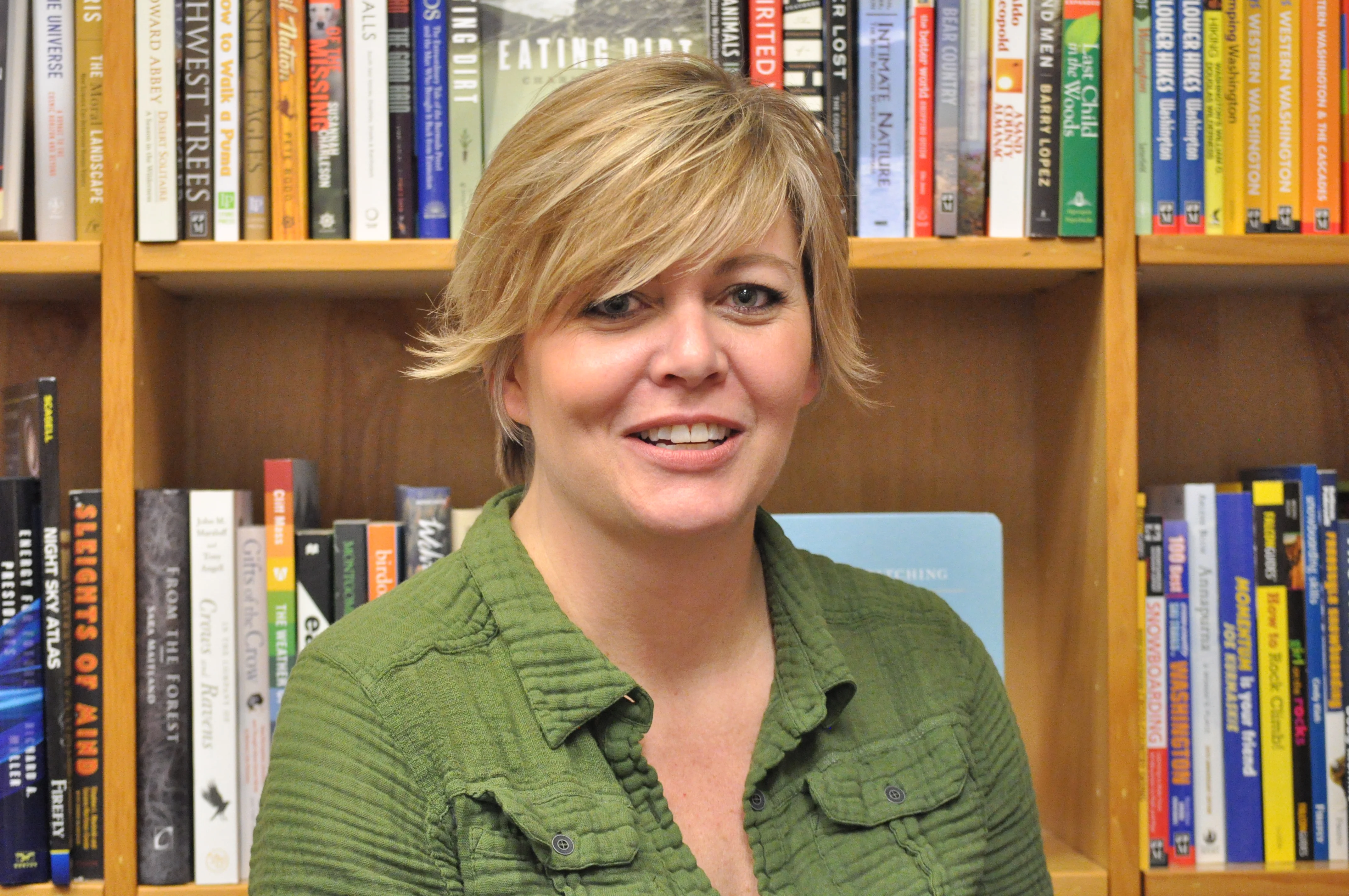
Lisa McMann is a New York Times bestselling author of young adult and children's fantasy, best known for the Wake trilogy—Wake, Fade, and Gone—about a teenager who is drawn uncontrollably into the dreams of people around her. She also created the seven-book Unwanteds series and its sequel series, The Unwanteds Quests. A graduate of Calvin College, McMann began publishing in 2007 and now lives in Tempe, Arizona. Her novel Fade has drawn numerous school and library challenges over its depiction of a predatory authority figure and teen sexual content.
Also by Lisa McMann

Banned in Schools
Banned or challenged in 3 states across 5 school districts.
Florida 2 districts
- Bay District Schools Banned
- Clay County School District Banned by Restriction
Iowa 2 districts
- Bondurant-Farrar Community School District Banned pending investigation
- WACO Community School District Banned
Tennessee 1 district
- Wilson County Schools Banned