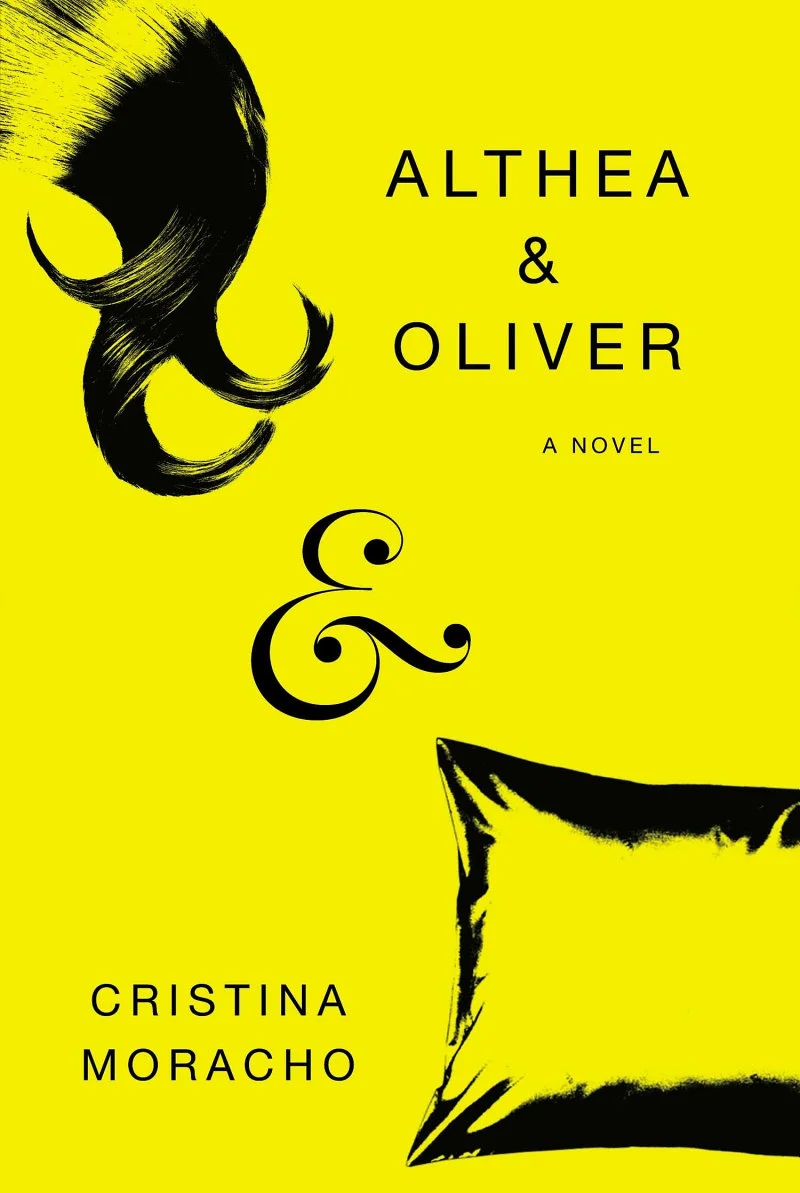
Althea and Oliver
- Publication Date:
- October 9th, 2014
- Publisher:
- Penguin Group Australia
- ISBN-13:
- 9781760140274
- ISBN-10:
- 1760140279
- Pages:
- 314
Why Althea and Oliver Has Been Challenged
Critics have pushed back on the novel for depicting an intimate encounter that unfolds while one character has no conscious control over his own actions, calling that ambiguity around consent too fraught for a teen audience. See more ↓
Challenged or banned in 2 states across 2 school districts.
Overview
Set in Wilmington, North Carolina in the spring of 1996, Althea and Oliver follows two lifelong best friends, neighbors since childhood, as their relationship tips toward something more. Just as Althea Carter and Oliver McKinley begin to acknowledge their feelings for one another, Oliver is diagnosed with Kleine-Levin Syndrome, a rare neurological disorder that leaves him sleeping for days or weeks at a stretch and erases his memory of what he says or does during an episode.
During one such episode, something happens between them that neither is prepared to confront. Before Althea can get answers, Oliver's mother whisks him off to New York for a specialized sleep study, and he disappears from Althea's life without warning or explanation. Refusing to let the friendship end on those terms, Althea leaves home to track him down.
The novel traces her journey north and the reckoning that follows, as both characters are forced to separate what they remember from what they've been told, and to decide what their relationship can survive.
Identity, Illness, and the Limits of Memory
Moracho's debut uses Oliver's illness as a lens for questions that extend well beyond medical diagnosis: how much of a person's identity is contained in memory, and what happens to intimacy when one party literally cannot account for their own actions. Kleine-Levin Syndrome, sometimes called "Sleeping Beauty syndrome," is a genuinely documented but little-known condition, and the novel treats it less as a plot device than as a sustained meditation on consent, trust, and the gaps that illness can open between two people who thought they knew each other completely.
The book is also, structurally, a coming-of-age road story, with Althea's cross-country pursuit of Oliver functioning as both a literal search and a stand-in for the harder work of growing into an adult relationship. Moracho resists tidy resolution; the novel's interest lies less in assigning blame for what happened between them than in showing how two teenagers renegotiate a friendship once its original terms no longer apply. First published in the mid-2010s, it arrived as part of a wave of young adult fiction willing to treat adolescent romance and illness with equal seriousness, without softening either into easy sentiment.
Why Althea and Oliver Has Been Challenged
Most objections to the novel cite its suitability for high school readers, arguing that its handling of a sexual encounter occurring while one character is not fully conscious or in control of his actions raises concerns that go beyond typical young adult content. Critics have also pointed to the book's frank depiction of teenage sexuality more broadly, along with its unflinching language, as reasons it does not belong in school libraries serving younger teens.
Some challenges frame the Kleine-Levin episode specifically as troubling because it blurs ordinary lines of consent, arguing that the scenario is too mature or ambiguous for an adolescent audience to process without guidance. Others object on more general grounds to the presence of sexual content and profanity in a book marketed to teenagers. In the catalog tracked here, Althea and Oliver has been the subject of challenges in 2 states and 2 districts.
Where to Buy




Affiliate links may generate a small commission at no extra cost to you, which helps support this site.
Also by Cristina Moracho

Banned in Schools
Banned or challenged in 2 states across 2 school districts.
Florida 1 district
Wisconsin 1 district
- Elkhorn Area School District Banned pending investigation