Abbi Glines
8 titles banned
About Abbi Glines
Abbi Glines was born Lora Abigail Potts in Birmingham, Alabama, and grew up in the small town of Sumiton, Alabama. She left the summer she turned eighteen, following her high school sweetheart down to the Gulf Coast, where she has lived ever since. Before writing, she was a homemaker raising her children.
In 2012, Glines self-published Fallen Too Far as an ebook and paperback. The book quickly found an audience among young adult and new-adult readers, hitting the New York Times, USA Today, and Wall Street Journal bestseller lists. Its success unlocked a publishing contract and a prolific career: Glines has since published dozens of novels across multiple interconnected series.
Her Work
Glines writes primarily in the new-adult and young adult genres, blending romance with Southern settings, small-town life, and high school sports. Her Field Party series follows a group of teenagers in the fictional town of Lawton, Alabama, and centers heavily on football, first love, and family secrets. The series spans seven books and has been one of her most challenged due to its depictions of sexual content and language.
The Vincent Boys (2011), one of her earliest self-published works, is set during a summer in Alabama and explores the push and pull of forbidden romance. Her standalone novel As She Fades deals with grief, coma, and identity. Her Rosemary Beach series, one of her longest, follows a cast of characters in a Florida Gulf Coast community through multiple interconnected novels.
Bans and Challenges
Several of Glines's books have been challenged or banned in school libraries and classrooms, primarily for sexual content and explicit language considered inappropriate for teenage readers. Her Field Party series and The Vincent Boys are among the most frequently targeted titles, with challenges citing content rated for mature audiences that some parents and administrators argue is unsuitable for school settings.
Books by Abbi Glines
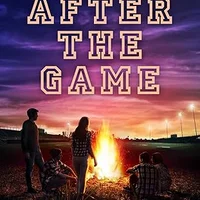 After the Game
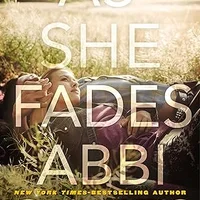 As She Fades
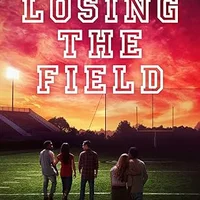 Losing the Field
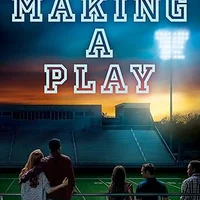 Making a Play
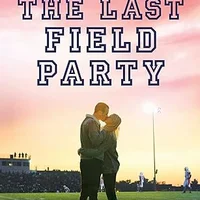 The Last Field Party
 The Vincent Boys
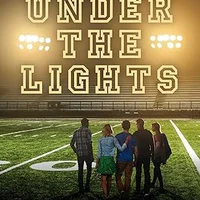 Under the Lights
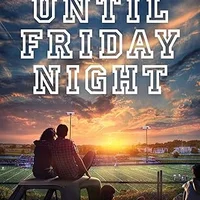 Until Friday Night
Banned in Schools
Books by Abbi Glines have been banned or challenged in 3 states across 9 school districts.