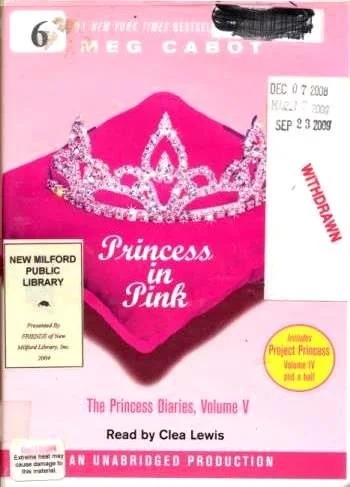
Princess in Pink
by Meg Cabot
- Publication Date:
- October 1st, 2004
- Publisher:
- Listening Library
- ISBN-13:
- 9780807220856
- ISBN-10:
- 080722085X
Why Princess in Pink Has Been Challenged
Some readers have pushed back on this installment for the way it lingers on a teenage romance and the social pressures surrounding it, arguing the content outpaces the maturity of its intended audience. See more ↓
Challenged or banned in 1 state across 1 school district.
Overview
Meg Cabot's "Princess in Pink" finds teenage royal-in-training Mia Thermopolis riding a wave of good fortune. She has landed a spot on the school newspaper, she's on track to finally pass freshman Algebra, and her mother's pregnancy means a new sibling is on the way. For once, Mia's chaotic life seems to be falling into place.
What Mia wants most, though, has nothing to do with grades or bylines: she wants to go to the prom with her boyfriend Michael, corsage and formalwear included. Michael is lukewarm on the whole idea, and Mia's vision of a storybook evening is further complicated when a labor dispute involving service workers erupts, with her grandmother Grandmere and her friend Lilly landing on opposing sides of the picket line.
The novel braids together Mia's romantic anxieties with this unexpected civic conflict, asking whether the strike will resolve in time to save the dance, whether Michael can be won over to the idea of prom, and whether Mia will get the pink dress and the night she has been imagining.
Beyond the Tiara: Mia's Coming-of-Age World
By this entry in the series, the "Princess Diaries" books had established a distinctive formula: the ordinary indignities of adolescence filtered through the extraordinary circumstance of secret royalty. Cabot consistently undercuts the fantasy premise with mundane teenage concerns—struggling grades, awkward crushes, family embarrassment—and "Princess in Pink" continues that pattern by centering the most mundane of high school rites, the prom, as its emotional core.
The labor strike subplot is a notable departure for the series, introducing a real-world civic issue into Mia's diary-format narration. Having Grandmere and Lilly take opposing sides gives Cabot a vehicle to explore generational and ideological divides without abandoning the light, confessional tone that made the series a commercial success and a touchstone of early-2000s young adult "chick lit." The book's popularity reflects how readers responded to Mia's voice: anxious, self-deprecating, and preoccupied with the same social dilemmas facing its teenage audience, even as the character's circumstances remain fantastical.
Why Princess in Pink Has Been Challenged
Complaints about this book have centered on its romantic and sexual content, with critics arguing that Mia's preoccupation with a boyfriend, physical affection, and the ritualized expectations of prom night present material some consider too mature or suggestive for the book's younger readers. The series' first-person diary format, which renders Mia's private thoughts and feelings in frank, unfiltered detail, has drawn particular scrutiny for how directly it addresses teenage romantic desire.
Some objections have also pointed to informal language and attitudes expressed by Mia and her peers, which detractors view as modeling disrespectful or inappropriate speech for a middle-grade audience. Records tracked in this catalog show "Princess in Pink" has been the subject of a formal challenge in one state and one school district, reflecting a narrower but persistent concern about whether the series' blend of romantic candor and teen vernacular belongs on shelves aimed at younger adolescent readers.
Where to Buy




Affiliate links may generate a small commission at no extra cost to you, which helps support this site.
About Meg Cabot
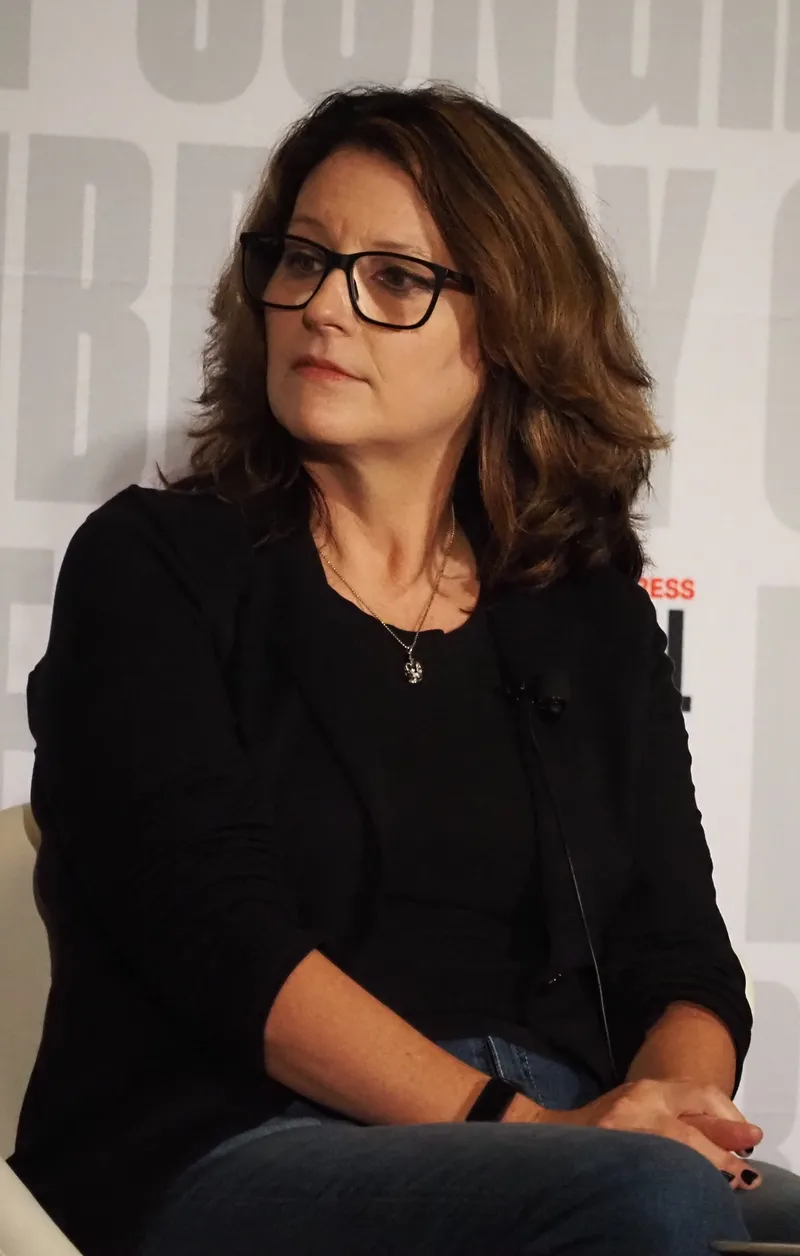
Meg Cabot is a #1 New York Times bestselling author best known for The Princess Diaries series, which was adapted into two hit Disney films starring Anne Hathaway. Born in Bloomington, Indiana, she has published more than 80 novels spanning children's, young adult, and adult fiction, including the Mediator series and the 1-800-Where-R-U books that introduced Jessica Mastriani. Her work is cataloged here as banned or challenged across 3 states and 19 districts, largely over its candid handling of teenage romance and sexuality.
Also by Meg Cabot



Banned in Schools
Banned or challenged in 1 state across 1 school district.
Florida 1 district
- Clay County School District Banned by Restriction