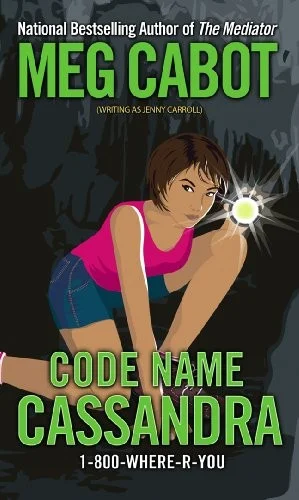
Code Name Cassandra
by Meg Cabot
- Publication Date:
- January 9th, 2007
- Publisher:
- Turtleback Books
- ISBN-13:
- 9780606000598
- ISBN-10:
- 0606000593
- Pages:
- 272
Why Code Name Cassandra Has Been Challenged
Objections to Code Name Cassandra have centered on its paranormal premise, with some challengers categorizing Jessica's psychic ability as occult content inappropriate for young readers rather than as a straightforward speculative-fiction device. See more ↓
Challenged or banned in 1 state across 1 school district.
Overview
Code Name Cassandra opens Meg Cabot's "1-800-Where-R-You" series with a premise that turns an ordinary Indiana teenager's life upside down. After Jessica Mastriani survives a lightning strike, she discovers she can sense the location of missing children — a gift that arrives without warning or instruction manual.
What begins as a personal mystery quickly becomes a matter of public interest. Word of Jessica's ability spreads beyond her family and school, drawing the attention of federal investigators eager to put her talent to use. The novel follows her uneasy transition from anonymous teenager to asset, assigned the code name "Cassandra" by the people now watching her closely.
Cabot frames the story as much around Jessica's adolescence — her friendships, her skepticism of adults, her resistance to being defined by a power she never asked for — as around the missing-persons cases she's pulled into, setting the tone for the series that follows.
A Reluctant Oracle
The title itself signals the book's central tension. Cassandra, in myth, was cursed to see the truth and never be believed; Jessica's version of that curse is inverted — she's believed all too readily, and by exactly the people she'd rather avoid. The novel uses her predicament to ask what happens when a private gift becomes a public resource, and who gets to decide how it's used.
That question sits comfortably within Cabot's broader catalog, which returns often to teenage girls managing extraordinary secrets alongside ordinary adolescent concerns — a pattern also visible in her Mediator and Princess Diaries books. Here, the speculative hook (lightning-granted psychic ability) is less the point than the coming-of-age friction it generates: a teenager negotiating trust, autonomy, and the demands of institutions that see her as useful rather than as a person still figuring herself out.
Why Code Name Cassandra Has Been Challenged
Objections to Code Name Cassandra have centered on its paranormal premise, with some challengers categorizing Jessica's psychic ability as occult content inappropriate for young readers rather than as a straightforward speculative-fiction device. The book's portrayal of government agents pursuing and pressuring a minor for her abilities has also drawn concern from readers uncomfortable with its skeptical treatment of authority figures and its depiction of a teenager evading or distrusting adult oversight. This catalog tracks the title as challenged in 1 state and 1 district, reflecting the more limited but persistent scrutiny paranormal-themed YA series have faced in some communities.
Where to Buy




Affiliate links may generate a small commission at no extra cost to you, which helps support this site.
About Meg Cabot
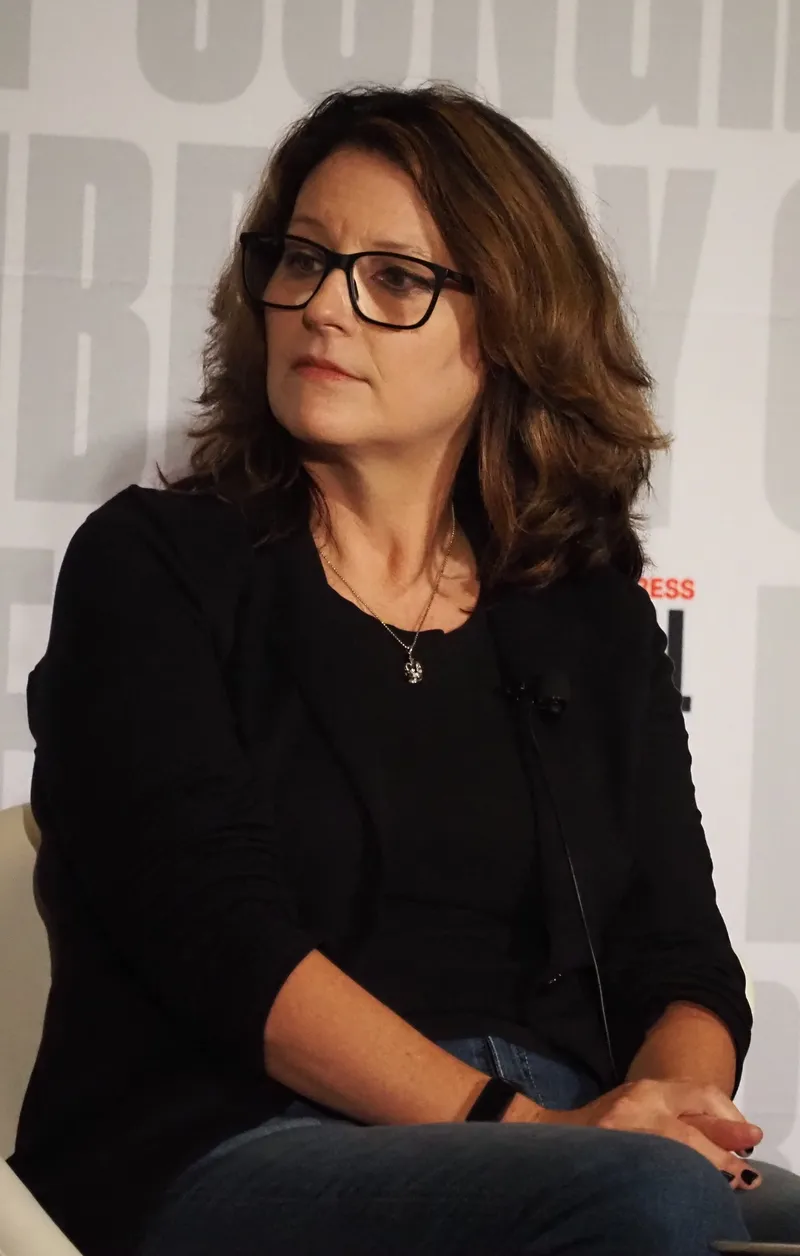
Meg Cabot is a #1 New York Times bestselling author best known for The Princess Diaries series, which was adapted into two hit Disney films starring Anne Hathaway. Born in Bloomington, Indiana, she has published more than 80 novels spanning children's, young adult, and adult fiction, including the Mediator series and the 1-800-Where-R-U books that introduced Jessica Mastriani. Her work is cataloged here as banned or challenged across 3 states and 19 districts, largely over its candid handling of teenage romance and sexuality.
Also by Meg Cabot

Banned in Schools
Banned or challenged in 1 state across 1 school district.
Florida 1 district
- Clay County School District Banned by Restriction