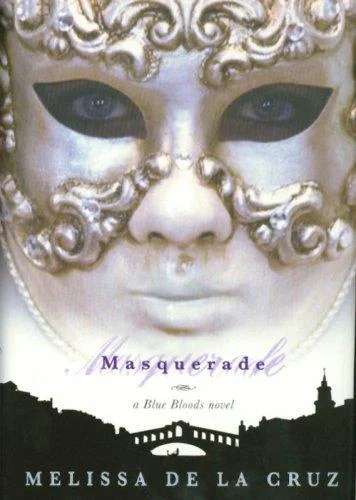
Masquerade
- Publication Date:
- May 1st, 2007
- Publisher:
- Hyperion
- ISBN-13:
- 9780786838936
- ISBN-10:
- 0786838930
- Pages:
- 311
Why Masquerade Has Been Challenged
Objections to Masquerade, which has drawn 2 state-level and 2 district-level challenges recorded See more ↓
Challenged or banned in 2 states across 2 school districts.
Overview
The third installment in the Blue Bloods series finds Schuyler Van Alen still adjusting to the discovery that she belongs to an ancient line of vampires living quietly among New York's social elite. As she gains surer footing in her supernatural inheritance, she travels to Italy in search of her grandfather, hoping he can explain the deeper history and dangers tied to her bloodline.
Meanwhile, the novel shifts between continents to track preparations underway in Manhattan for the Four Hundred Ball, a lavish debutante-style gathering that mirrors the real high-society tradition of the same name. The event sets the stage for the story's central set piece: an exclusive after-party for teenagers only, where masked anonymity becomes a vehicle for concealment, deception, and the unraveling of a dangerous secret among the city's young vampire elite.
Woven through both storylines is de la Cruz's continued interest in the tension between glamorous appearances and hidden truths, as characters navigate romantic entanglements, family obligation, and the mounting sense that something within their closed community threatens them all.
Old Money Glamour Meets Gothic Menace
Masquerade continues the series' signature blend of Manhattan socialite culture with vampire mythology, using the trappings of debutante balls, inherited wealth, and old-family secrecy as a backdrop for a coming-of-age story about identity and belonging. The novel's dual settings, Schuyler's search for ancestral answers abroad and the ball preparations at home, let de la Cruz contrast personal self-discovery with the performative rituals of a closed social class.
The masquerade device itself carries thematic weight beyond plot mechanics: literal masks mirror the figurative ones the characters already wear as they hide their vampiric nature from the mortal world and, increasingly, secrets from one another. Reviewers and fans of the series have generally placed this entry within the broader 2000s wave of YA paranormal romance, a genre that used supernatural conceits to dramatize adolescent anxieties about trust, appearance, and first love. Within de la Cruz's own body of work, the book reinforces her recurring interest in wealthy, insular communities and the costs of maintaining their secrets.
Why Masquerade Has Been Challenged
Objections to Masquerade, which has drawn 2 state-level and 2 district-level challenges recorded in this catalog, largely follow patterns seen across the vampire-romance genre popular in the late 2000s. Complaints have centered on the book's romantic and physical relationships between teenage characters, which some challengers consider too mature for the intended young-adult readership. The novel's supernatural framework, including vampirism and its associated violence and bloodletting, has also drawn scrutiny from those who object to occult or horror-adjacent content in school libraries. Additional concerns raised about the series more broadly point to its depiction of underage drinking, elite party culture, and morally ambiguous teen behavior, which critics argue normalizes risky conduct even as defenders note these elements are standard to the genre's dramatization of adolescent temptation and consequence.
Where to Buy




Affiliate links may generate a small commission at no extra cost to you, which helps support this site.
Also by Melissa de la Cruz


Banned in Schools
Banned or challenged in 2 states across 2 school districts.
Florida 1 district
- Escambia County Public Schools Banned pending investigation