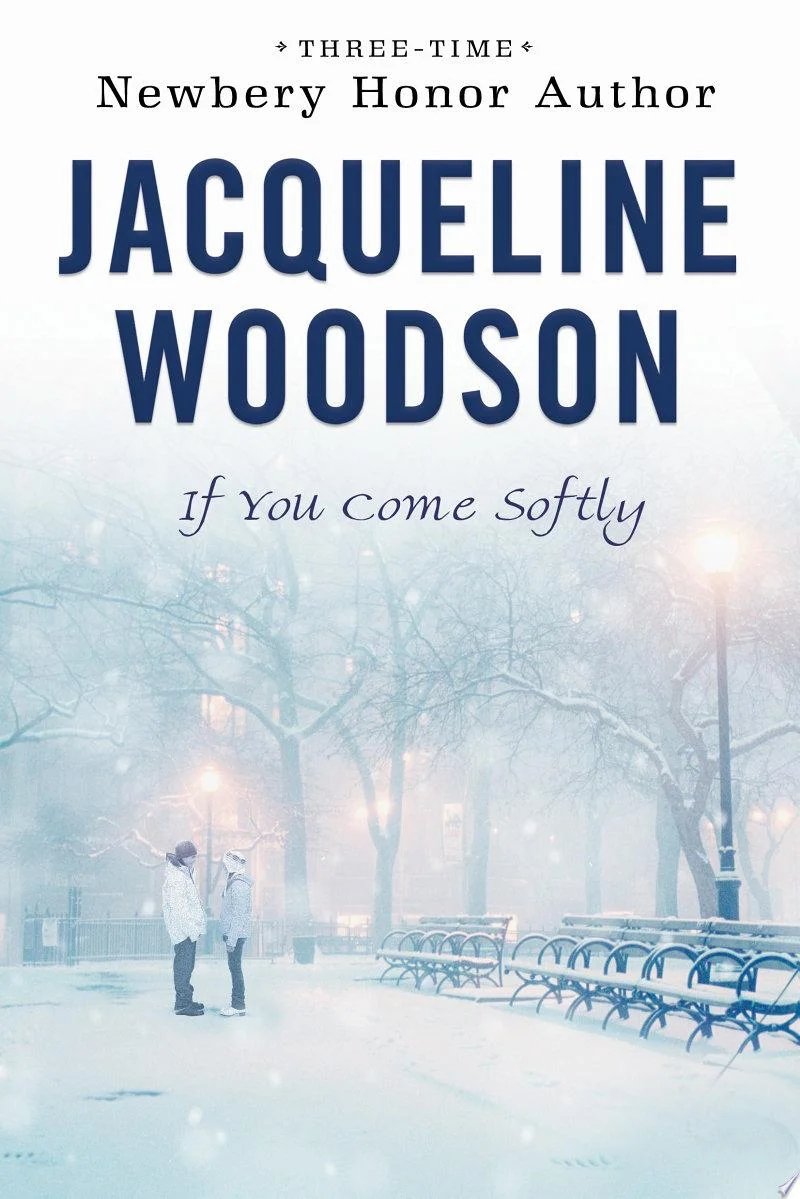
If You Come Softly
- Publication Date:
- June 22nd, 2006
- Publisher:
- Penguin
- ISBN-13:
- 9781101076972
- ISBN-10:
- 1101076976
- Pages:
- 132
Why If You Come Softly Has Been Challenged
Objections to If You Come Softly have generally centered on its depiction of an interracial relationship and its unflinching treatment of racial profiling, including a climactic scene in which Jeremiah is presumed dangerous because of his race. See more ↓
Challenged or banned in 1 state across 1 school district.
Overview
Jacqueline Woodson's If You Come Softly follows Jeremiah, a Black teenager adjusting to a mostly white Manhattan prep school after leaving the familiarity of his Brooklyn neighborhood, and Ellie, a Jewish classmate navigating her own family's fractures. When the two meet, an immediate and quiet recognition passes between them, and what follows is a tentative, tender relationship that neither fully anticipated.
Told in Woodson's characteristically spare, poetic prose, the novel moves close to its characters' inner lives — their hopes, their uncertainty, and the small daily moments that make up first love. The romance itself is gentle and understated; the tension in the book comes less from the characters' feelings for each other than from the assumptions and dangers that surround them.
Rather than building toward melodrama, the story lingers in ordinary scenes — walking through the city, sitting in class, imagining a future — making its eventual turn toward tragedy feel all the more abrupt and unresolved.
A Story Shaped by What Surrounds It
Much of the novel's power comes from its restraint. Woodson resists framing Jeremiah and Ellie's relationship as a problem to be solved or a lesson to be learned; instead, she treats their connection as simply human, and lets the surrounding world supply the friction. The book is as much about the neighborhoods, schools, and family histories that shape how Jeremiah and Ellie are seen by others as it is about the two of them.
Since its original publication, the novel has held a lasting place in young adult literature as an early and unusually unsentimental treatment of interracial teenage romance, one that acknowledges racial profiling and prejudice without turning its characters into symbols. Its influence is often cited alongside later YA novels that similarly place ordinary teenage life against a backdrop of systemic injustice. The book's continued readership, including a later anniversary edition with new author commentary, speaks to how its central questions — about who is allowed to love whom, and who is granted the assumption of innocence — have remained current rather than fading into period detail.
Why If You Come Softly Has Been Challenged
Objections to If You Come Softly have generally centered on its depiction of an interracial relationship and its unflinching treatment of racial profiling, including a climactic scene in which Jeremiah is presumed dangerous because of his race. Some challenges have framed these elements as too intense or too overtly political for a young adult audience. The novel's brief, non-graphic references to teenage physical intimacy have also drawn objection from those who consider any depiction of adolescent romance inappropriate for school shelves. This catalog tracks the book as challenged or banned in 1 state and 1 school district.
Where to Buy




Affiliate links may generate a small commission at no extra cost to you, which helps support this site.
About Jacqueline Woodson
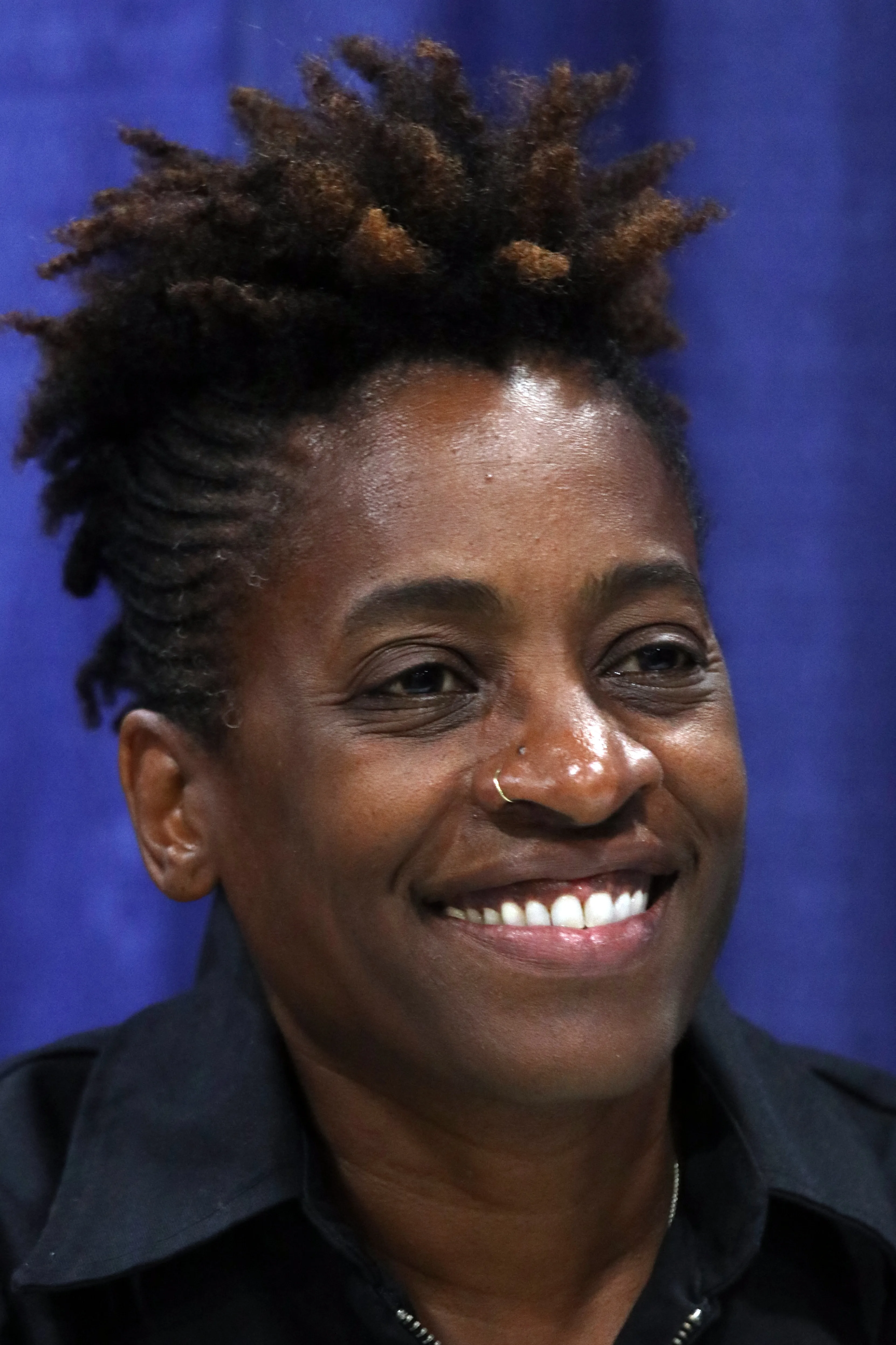
Jacqueline Woodson is an award-winning American author of children's and young adult literature whose verse novel Brown Girl Dreaming won the 2014 National Book Award. She has also received a MacArthur \
Also by Jacqueline Woodson
Banned in Schools
Banned or challenged in 1 state across 1 school district.
Florida 1 district
- Indian River County Schools Banned