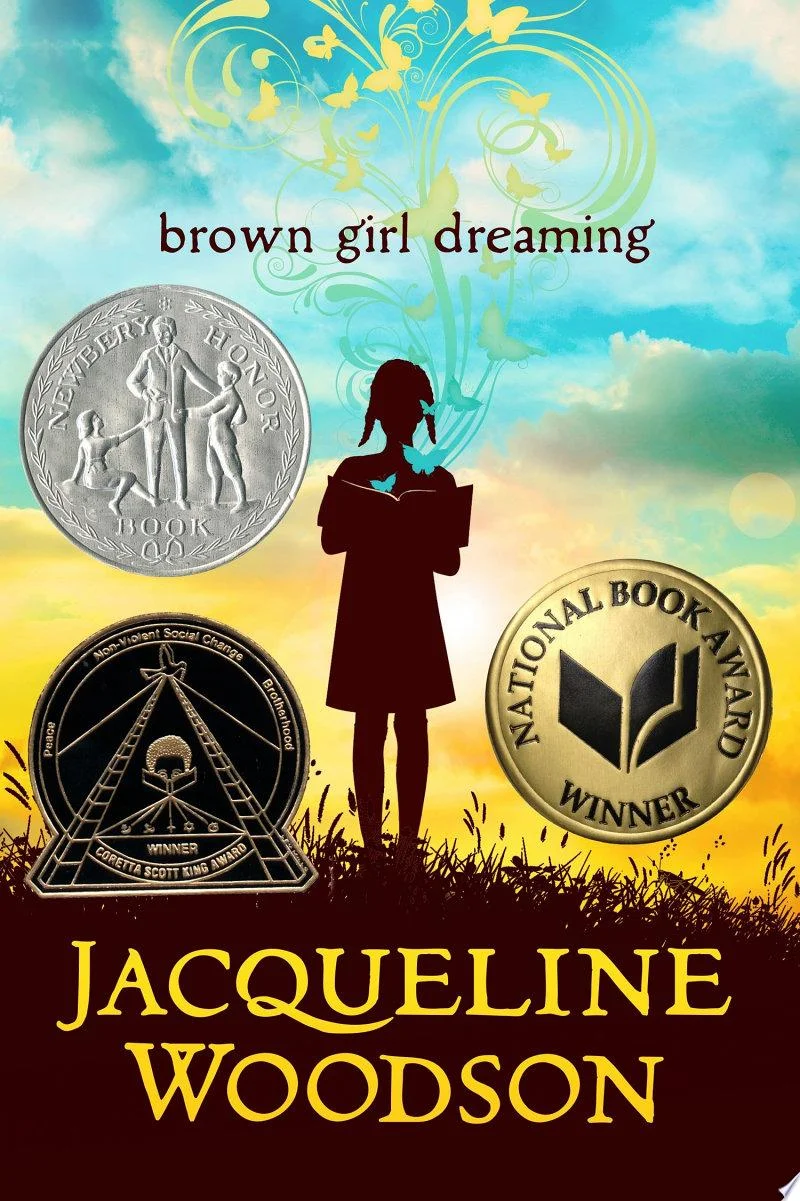
Brown Girl Dreaming
- Publication Date:
- August 28th, 2014
- Publisher:
- Penguin
- ISBN-13:
- 9780399252518
- ISBN-10:
- 0399252517
- Pages:
- 353
Why Brown Girl Dreaming Has Been Challenged
Objections to Brown Girl Dreaming have generally centered on its unflinching treatment of race and racism in American history, including its depictions of segregation and the everyday indignities of Jim Crow-era life, which some challengers have argued are too mature or unsettling for the age group the book is often assigned to. See more ↓
Challenged or banned in 1 state across 1 school district.
Overview
Brown Girl Dreaming is Jacqueline Woodson's memoir written entirely in free verse, tracing her childhood shuttling between Greenville, South Carolina, and Brooklyn, New York. Born in Ohio but rooted, by family and memory, in the South, Woodson uses short, image-driven poems to reconstruct a divided sense of home and belonging.
The poems move through the textures of a 1960s and 1970s Black childhood: a grandmother's house and its rules, the rhythms of segregated and newly desegregating streets, siblings and cousins, and the slow, private realization that she wants to be a writer. Rather than a single continuous narrative, the book accumulates its story through discrete, carefully observed moments.
What emerges is less a chronicle of events than a portrait of consciousness forming — a child learning to notice, to remember, and eventually to put language to what she has lived.
A Memoir Shaped by History
Woodson wrote Brown Girl Dreaming decades after the childhood it describes, and the book is as much about memory and craft as it is about the years it covers. The choice of verse is not incidental: the fragmented, condensed form mirrors how childhood is actually recalled, in flashes and sensations rather than tidy plotlines. That formal choice, along with the book's warm critical reception, has made it a frequently studied example of memoir written for young readers that neither simplifies nor sentimentalizes its subject.
The book also sits inside a specific historical frame. Woodson's family lived through the last years of Jim Crow segregation and the rise of the civil rights movement, and the poems register that history at the scale of a child's daily life — overheard adult conversation, unspoken caution, moments of pride and fear — rather than through textbook summary. In this way the book has become a touchstone for how personal narrative can carry public history, and it is frequently discussed alongside Woodson's other work as part of a broader effort to write Black childhood with specificity and interiority.
Why Brown Girl Dreaming Has Been Challenged
Objections to Brown Girl Dreaming have generally centered on its unflinching treatment of race and racism in American history, including its depictions of segregation and the everyday indignities of Jim Crow-era life, which some challengers have argued are too mature or unsettling for the age group the book is often assigned to. Others have framed the book's civil-rights-era content as a form of unwelcome political or racial instruction rather than literature, echoing a broader pattern of challenges directed at memoirs and histories centering Black American experience. The book has been challenged or restricted in 1 state and 1 district tracked in this catalog, a small but notable footprint for a work that has otherwise been embraced in classrooms as an accessible entry point into both poetry and civil rights history.
Where to Buy




Affiliate links may generate a small commission at no extra cost to you, which helps support this site.
About Jacqueline Woodson
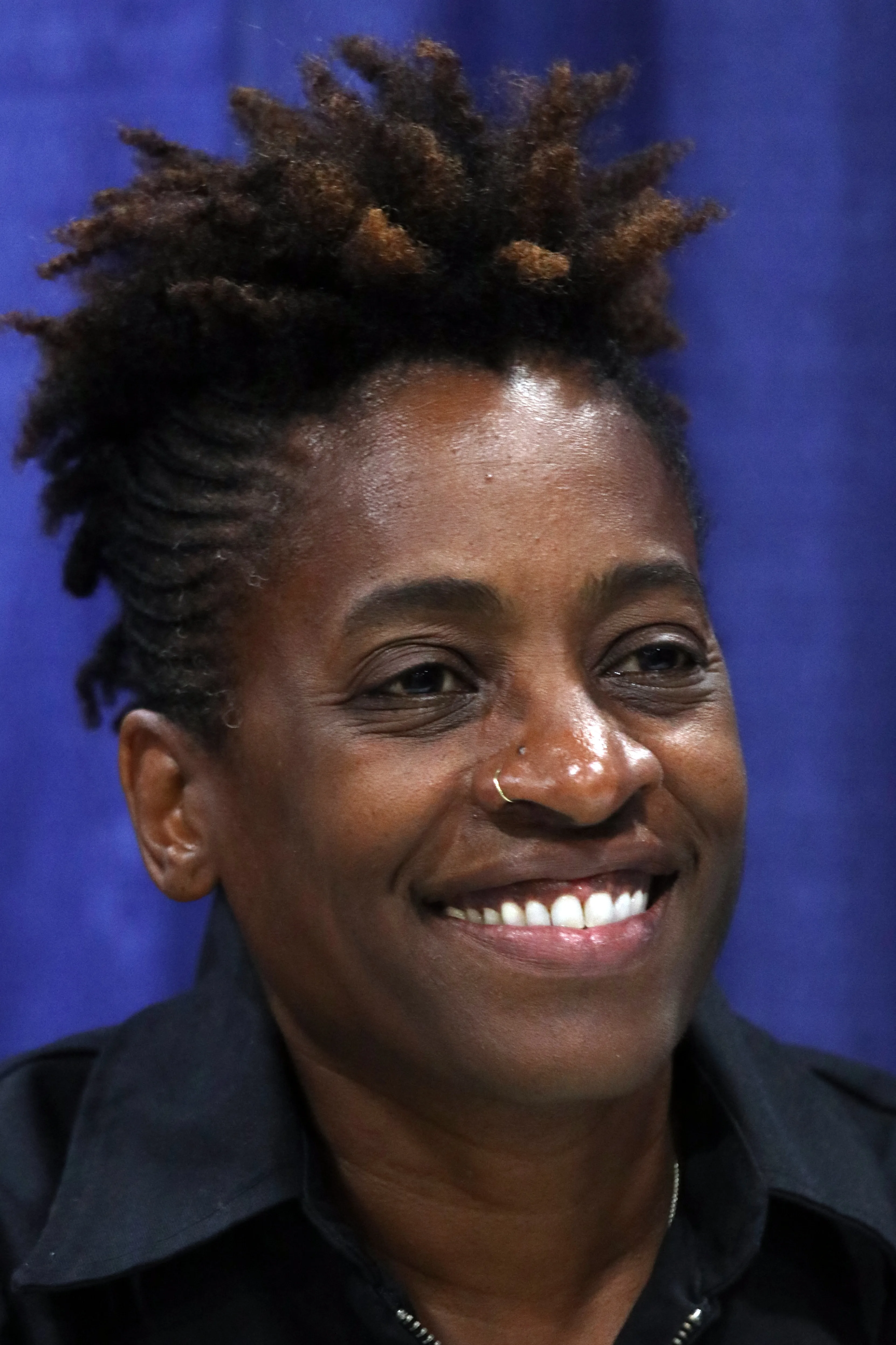
Jacqueline Woodson is an award-winning American author of children's and young adult literature whose verse novel Brown Girl Dreaming won the 2014 National Book Award. She has also received a MacArthur \
Also by Jacqueline Woodson
Banned in Schools
Banned or challenged in 1 state across 1 school district.
Tennessee 1 district
- Monroe County Schools Banned