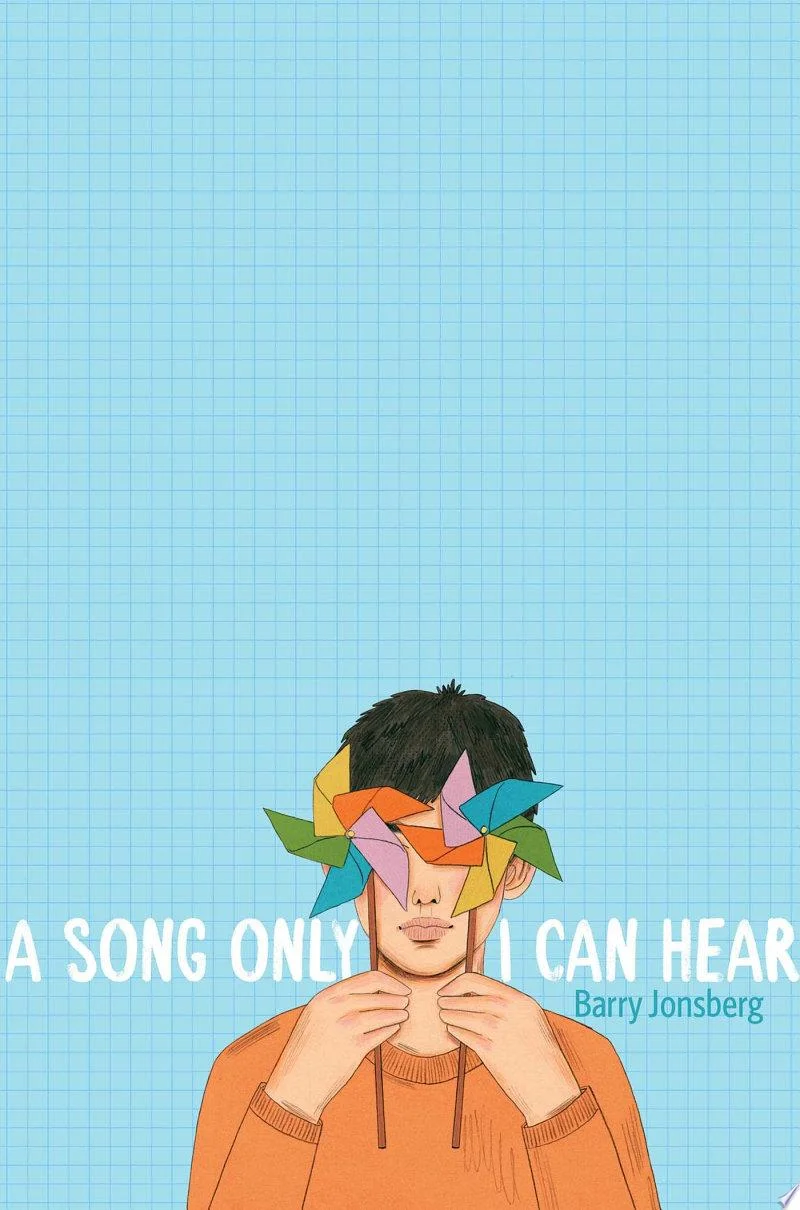
A Song Only I Can Hear
- Publication Date:
- April 27th, 2021
- Publisher:
- Simon and Schuster
- ISBN-13:
- 9781534442535
- ISBN-10:
- 1534442537
- Pages:
- 320
Why A Song Only I Can Hear Has Been Challenged
Objections to the novel, which has been challenged or restricted in 3 states and 5 districts with See more ↓
Challenged or banned in 3 states across 5 school districts.
Overview
Barry Jonsberg's novel is built entirely around the voice of its young narrator, a girl who processes the world with a literal-mindedness and relentless logic that sets her apart from her classmates and, often, her own family. Convinced that the people around her are quietly falling apart, she assigns herself a series of self-directed projects to fix them, one methodical step at a time.
What follows is less a plot of external events than a portrait of a household under strain, filtered through a narrator who notices everything but not always in the order or proportion that adults expect. Her observations veer between deadpan comedy and sudden, unguarded sadness, often within the same paragraph.
The result is a coming-of-age story that resists the genre's usual sentimentality, letting its narrator's peculiar candor carry both the humor and the heartbreak.
A Distinctive Voice in Middle-Grade Fiction
Jonsberg has built a body of work around first-person narrators whose way of seeing the world is itself the engine of the story, and this book is often discussed as a high point of that approach. The narrator's neurodivergent perspective is not treated as a puzzle for other characters to solve but as the lens through which the entire narrative is filtered, which shifts the usual dynamic of stories about family crisis: readers are never given an "objective" outside view to correct her interpretations.
That structural choice is also why the book has drawn attention from readers and educators interested in neurodivergent representation, as well as from those studying how humor can coexist with material as heavy as depression, grief, and estrangement within a single family. Its reception has generally centered on the tension between the narrator's comic literalism and the genuine sorrow underlying the events she describes.
Why A Song Only I Can Hear Has Been Challenged
Objections to the novel, which has been challenged or restricted in 3 states and 5 districts within this catalog, have tended to focus on its unfiltered treatment of family trauma. The narrator's household includes a parent struggling with severe depression, and some of the plot threads touch on suicidal despair, which some challengers have argued is too heavy a subject for the book's intended middle-grade readership.
A related line of concern involves the narrator's literal, unfiltered commentary on bodies and bodily functions, a hallmark of her voice that some readers find charmingly honest and others consider inappropriate or crude for younger audiences. Complaints have also cited the book's frank handling of grief and family dysfunction more broadly, arguing that its blend of comedy and difficult subject matter sends mixed signals to young readers about how seriously to take the crises it depicts. Defenders counter that this same candor is what makes the book a valuable, non-condescending window into anxiety, neurodivergence, and family strain for readers navigating similar circumstances.
Where to Buy



Affiliate links may generate a small commission at no extra cost to you, which helps support this site.
Banned in Schools
Banned or challenged in 3 states across 5 school districts.
Florida 2 districts
- Clay County School District Banned pending investigation
- St. John's County School District Banned by restriction
Kentucky 1 district
- Boyle County Schools Banned
Texas 2 districts
- Katy Independent School District Banned by Restriction
- Lamar Consolidated Independent School District Banned