Jodi Lynn Anderson
4 titles banned
About Jodi Lynn Anderson
Jodi Lynn Anderson writes fiction for young readers that combines emotional depth with strong narrative momentum. Her work is often grounded in the inner lives of teenagers and young adults who are trying to define themselves while navigating friendship, grief, desire, and social pressure. Rather than flattening those experiences into simple lessons, Anderson tends to present them as layered, contradictory, and deeply human.
Across her catalog, she frequently uses vivid settings and shifting emotional dynamics to show how quickly a familiar world can change. Her stories often feature characters at turning points, moments when loyalty is tested, identity becomes uncertain, and personal history starts to feel unstable. That attention to interior conflict is one reason her books resonate so strongly with readers who want fiction that takes adolescence seriously.
Themes in Her Banned Titles
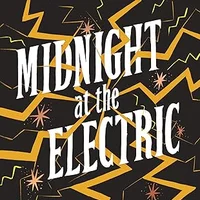
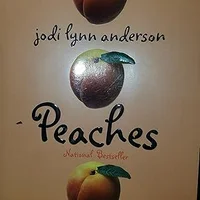
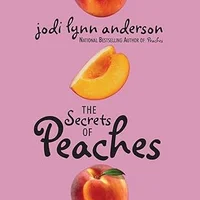
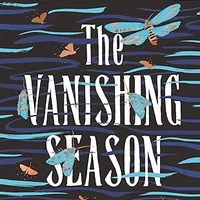
On this site, Anderson's challenged books include titles such as Peaches, The Secrets of Peaches, Midnight at the Electric, and The Vanishing Season. These novels span contemporary realism and speculative storytelling, but they share a focus on relationships, vulnerability, and the social rules young people are expected to follow. Her characters are rarely static; they make mistakes, grow, and confront difficult truths about themselves and the people they trust.
Challenges to books like Anderson's often stem from concerns about mature themes, language, or depictions of sexuality and identity. In practice, those same elements are often what make her fiction meaningful to readers, because they reflect experiences that many students are already trying to understand in real life. Her work invites conversation about empathy, accountability, and emotional literacy rather than avoidance.
Why Access Matters
Anderson's novels support the kind of close reading and discussion that libraries and classrooms are built to encourage. They ask readers to consider perspective, consequence, and moral ambiguity, skills that matter well beyond literature. Keeping these books available gives students room to think critically, compare viewpoints, and talk openly about difficult topics in a structured learning environment.
Books by Jodi Lynn Anderson
Banned in Schools
Books by Jodi Lynn Anderson have been banned or challenged in 2 states across 3 school districts.