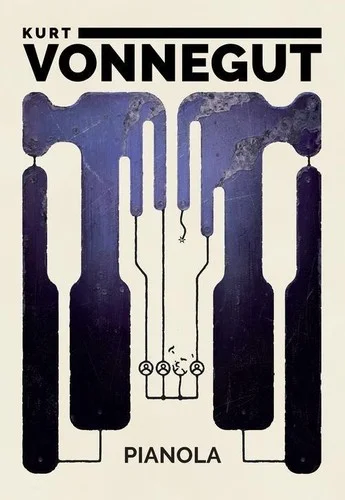
Player Piano
- Publication Date:
- January 1st, 2021
- Publisher:
- Zysk i S-ka
- ISBN-13:
- 9788382022186
- ISBN-10:
- 8382022189
Why Player Piano Has Been Challenged
Some readers have balked at a novel that treats religion, patriotism, and the dignity of work as targets for satire rather than settled values. See more ↓
Challenged or banned in 1 state across 1 school district.
Overview
Player Piano was Kurt Vonnegut's first novel, and it introduced the blend of dark comedy and social alarm that would define his career. Set in a near-future America, it follows Paul Proteus, a gifted engineer who holds a privileged position in a society where machines have taken over nearly all production and most forms of labor.
As Paul rises within the managerial class that oversees this automated order, he becomes increasingly uneasy with what the system has cost the ordinary people around him: purpose, dignity, and a meaningful place in the world. His growing doubt pushes him toward a reckoning with the machine-run hierarchy he was bred to serve.
The novel moves between sharp workplace satire and genuine unease about where efficiency and automation might lead, a combination that has kept it relevant well beyond the era in which it was written.
A Debut That Set the Course for Vonnegut's Career
Written in the years following Vonnegut's own stint working in corporate public relations at General Electric, Player Piano channels firsthand frustration with technocratic management into fiction. It belongs to a lineage of mid-twentieth-century dystopian novels concerned with conformity and the loss of individual agency, but its target is narrower and more particular: a society that has optimized away the need for human contribution and, with it, human meaning.
The book is notable less for inventing a nightmarish future than for extrapolating calmly from trends already visible in postwar industry. That restraint gives its satire a durability other dystopias lack, and it anticipated anxieties about automation and displaced labor that have only grown more pointed with time. Within Vonnegut's body of work, it stands as the seed from which his recurring preoccupations, skepticism of institutions, sympathy for the displaced, and a comic sensibility shadowed by despair, would continue to grow.
Why Player Piano Has Been Challenged
Objections to this novel have generally centered on its irreverent treatment of institutions many readers hold as sacrosanct, including organized religion, military service, and the value of traditional work. Vonnegut's satire does not spare these subjects, and some challengers have characterized the book's skepticism as corrosive or unpatriotic, particularly for younger readers encountering it in a classroom setting. Occasional passages involving adult language and candid depictions of workplace politics and personal despair have also drawn complaints. According to records maintained in this catalog, the novel has been formally challenged in 1 state and 1 school district. Defenders of the book counter that its pointed questioning of unchecked technological progress and institutional authority is precisely what gives it literary and educational value, rather than a reason to restrict it.
Where to Buy




Affiliate links may generate a small commission at no extra cost to you, which helps support this site.
About Kurt Vonnegut Jr.
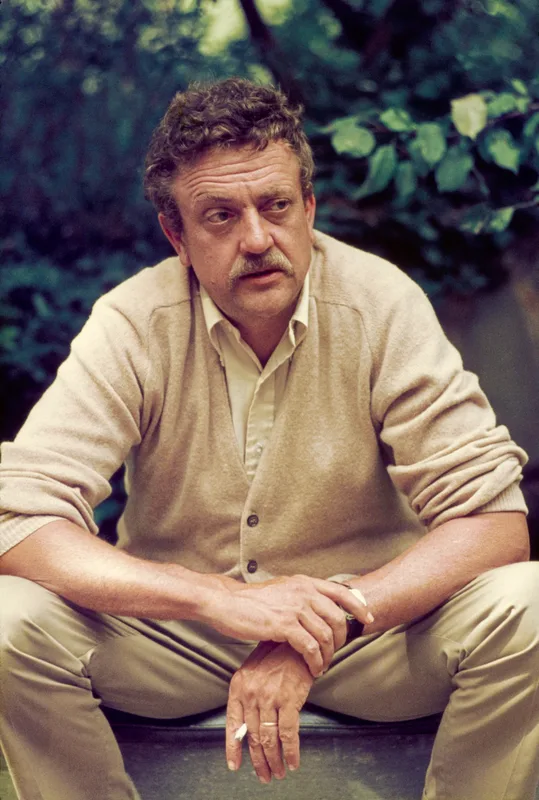
Kurt Vonnegut (1922–2007) was an American novelist whose work blended satire, science fiction, and gallows humor to explore war, free will, and the absurdity of modern life. His novel Slaughterhouse-Five (1969), drawn from his experience as a POW during the firebombing of Dresden, immediately topped the New York Times bestseller list and has been challenged or removed from schools and libraries in at least eighteen instances. He is widely regarded as one of the most important American novelists of the twentieth century.
Also by Kurt Vonnegut Jr.

Banned in Schools
Banned or challenged in 1 state across 1 school district.
Maine 1 district
- Hermon School Department Banned by restriction