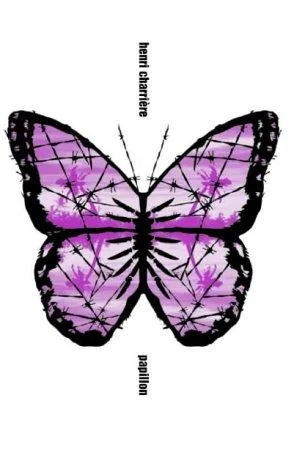
Papillon
- Publication Date:
- January 1st, 2018
- Publisher:
- Penguin Random House Grupo Editorial
- ISBN-13:
- 9788466342148
- ISBN-10:
- 8466342141
- Pages:
- 704
Why Papillon Has Been Challenged
Some readers have objected to the book's sympathetic portrayal of a convicted criminal narrator who lies, steals, and fights his way to freedom, alongside its graphic scenes of prison violence and illicit activity. See more ↓
Challenged or banned in 1 state across 1 school district.
Overview
Papillon is Henri Charrière's account of his years inside France's penal system in French Guiana, a remote colony built around the belief that no one could survive leaving it. Framed as autobiography, the narrative follows its protagonist from conviction through transport to the island and into a punishing routine of forced labor, isolation, and surveillance designed to break the will of the men held there.
Much of the book is organized around the idea of endurance under conditions meant to be inescapable. Charrière details the physical and psychological toll of confinement, the fragile alliances formed among prisoners, and the ever-present calculation of risk that governs daily survival in a place built to crush hope.
The narrative's momentum builds toward repeated attempts to break free, each one testing the protagonist's resolve against the near-impossible odds the colony was designed to enforce. What emerges is less a conventional crime story than a study of persistence against a system engineered for permanence.
A Contested Memoir and Its Legacy
Since its publication, Papillon has occupied an unusual space between memoir and legend. Researchers and journalists have long debated how much of the account reflects Charrière's own experience versus stories absorbed from fellow inmates or reshaped for dramatic effect, and the author himself was candid that the book blended lived memory with narrative shaping. That ambiguity has not diminished its influence; if anything, it has fed ongoing fascination with where the line between testimony and storytelling falls.
The book's popularity helped cement French Guiana's penal colonies in the public imagination and contributed to the eventual closure of that penal system, giving the work a documentary weight beyond its contested factual precision. It has since become a touchstone of prison-escape literature, inspiring film adaptations and sustaining interest in how incarceration narratives shape public memory of state punishment.
Why Papillon Has Been Challenged
The book's unflinching depiction of life inside a penal colony, including scenes of violence among prisoners, harsh physical punishment, and the brutal tactics guards and inmates alike use to survive, has drawn objection from some readers who consider the content too graphic for general circulation. Critics have also pointed to the narrator's criminal background and his willingness to deceive, steal, or fight his way toward freedom as troubling for young readers to encounter without context, arguing that the story risks reading as an endorsement of lawbreaking rather than a cautionary or reflective account. Additional concern has centered on the book's frank treatment of prison culture, including drug use and other illicit activity described as part of daily survival. According to the catalog's records, Papillon has been the subject of a challenge in one state and one school district.
Where to Buy




Affiliate links may generate a small commission at no extra cost to you, which helps support this site.
Banned in Schools
Banned or challenged in 1 state across 1 school district.
Florida 1 district
- Orange County Public Schools Banned by restriction