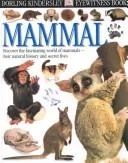
Mammal
by Steve Parker
- Publication Date:
- January 1st, 2000
- Publisher:
- Dorling Kindersley Publishing
- ISBN-13:
- 9780789458193
- ISBN-10:
- 0789458195
- Pages:
- 63
Why Mammal Has Been Challenged
Objections to Mammal have centered on its photographic content rather than its written text. See more ↓
Challenged or banned in 2 states across 2 school districts.
Overview
Steve Parker's Mammal belongs to the tradition of photograph-driven natural history references built for young readers who learn as much from images as from text. Rather than following a single narrative thread, it moves across the mammalian class in loosely thematic sections, using close-up photography to anchor short blocks of explanatory prose.
The book's organizing idea is behavior rather than taxonomy. Instead of marching through orders and species, it groups animals by what they are doing: how they find and process food, how they signal and pair off during courtship, how a mother mammal protects and rears her young, and how a given body — fur, teeth, limbs, senses — has been shaped by the environment it survives in.
Because the format leans on visual evidence, the reader experience is closer to browsing a field-guide-style reference than reading a continuous story. That structure has made the book a recurring library and classroom acquisition for elementary and middle-grade science collections, where its photographs are the primary draw.
A Photographic Approach to Natural History
Books like Mammal sit at an interesting junction in children's nonfiction: they are built to satisfy curiosity about the natural world without softening its more visceral realities. Feeding behavior in the animal kingdom is not always gentle, courtship and reproduction are physical facts of biology, and self-defense often involves violence between predator and prey. A photographic reference that takes its subject seriously has to represent those realities rather than illustrate around them.
That tension — between unflinching natural history and the sensibilities of an audience that includes young children — is part of what has made this kind of illustrated animal book a recurring subject of scrutiny in schools and libraries, even though its intent is squarely educational. Its place in Steve Parker's broader body of accessible science writing reflects a consistent authorial aim: to make direct observation of the natural world available to readers before they are old enough for more technical zoology texts.
Why Mammal Has Been Challenged
Objections to Mammal have centered on its photographic content rather than its written text. Because the book documents courtship and mating behavior as part of its survey of mammalian life, some challengers have argued that the images are too explicit or too mature for the elementary-age readers who typically encounter the book in school libraries. Photographs depicting predation and physical struggle between animals have drawn similar concerns from adults who felt the material was more graphic than expected from a children's reference title.
These objections tend to reflect discomfort with how directly the book shows biological processes — reproduction, feeding, physical conflict — rather than any complaint about factual accuracy or authorial intent. In the catalog tracked here, Mammal has been challenged or banned in 2 states and 2 districts, a pattern consistent with books that are flagged less for their content's substance than for a mismatch between the book's frank visual approach and expectations about age-appropriateness in early-grade collections.
Where to Buy




Affiliate links may generate a small commission at no extra cost to you, which helps support this site.
Banned in Schools
Banned or challenged in 2 states across 2 school districts.
Tennessee 1 district
- Knox County Schools Banned