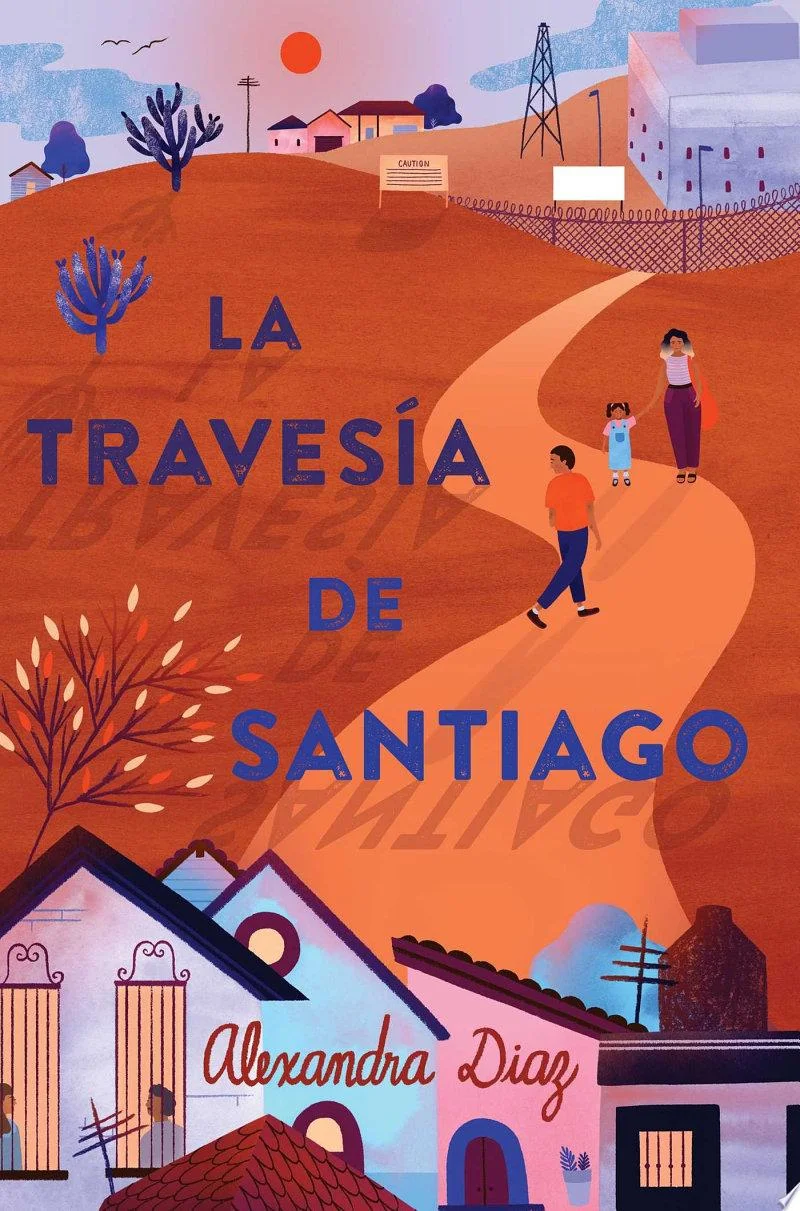
La travesía de Santiago (Santiago's Road Home)
- Publication Date:
- July 28th, 2020
- Publisher:
- Simon & Schuster/Paula Wiseman Books
- ISBN-13:
- 9781534453265
- ISBN-10:
- 1534453261
- Pages:
- 336
Why La travesía de Santiago (Santiago's Road Home) Has Been Challenged
Objections to the novel have centered on its unflinching treatment of immigration enforcement, including its depiction of a minor detained by ICE and its sympathetic framing of undocumented border crossing, which some challengers have characterized as politically one-sided material for young readers. See more ↓
Challenged or banned in 1 state across 1 school district.
Overview
"La travesía de Santiago" opens at a breaking point: Santiago, apprehended by immigration authorities after crossing into the United States, lies awake replaying not his whole life but the specific chain of choices that put him in that room. The novel moves between his present circumstances and the recent past, letting readers piece together why a teenager would rather face an uncertain future than the coins in his pocket meant for a bus ticket home.
That home is his grandmother's house, and Santiago is resolved never to return to it. His path shifts when he crosses paths with María Dolores, a warm, protective woman traveling with her young daughter, Alegría. Their meeting gives Santiago something to decide: whether to keep moving alone or throw in with two near-strangers heading for the same border.
He chooses to travel with them, and the three set out with little more than water, a bit of food, and the uneasy trust that a shared journey demands. Diaz frames the trip north as only half the story — arrival, the book suggests, will ask just as much of them as the road did.
A Companion to a Larger Migration Story
Diaz has built her career narrating the journeys of Central American and Mexican children forced north by circumstances beyond their control, and this novel extends that project by centering a character whose history of family instability compounds the dangers of the crossing itself. The structure — present-tense crisis interleaved with the memories that explain it — resists a tidy chronology, forcing readers to sit with Santiago's fear before they're given the context for it.
The improvised family that forms among Santiago, María Dolores, and Alegría is central to the book's concerns: trust, the novel suggests, is not automatic but built under pressure, and a shared destination doesn't erase the very different reasons each traveler has for pursuing it. By withholding a clean resolution once the border is reached, Diaz signals that crossing is a beginning rather than an ending, situating the story within a broader conversation about what happens to young migrants after the journey itself is over.
Why "La travesía de Santiago" Has Been Challenged
Objections to the novel have centered on its unflinching treatment of immigration enforcement, including its depiction of a minor detained by ICE and its sympathetic framing of undocumented border crossing, which some challengers have characterized as politically one-sided material for young readers. The book's portrayal of an abusive household — the grandmother's home Santiago flees rather than the crossing itself — has also drawn scrutiny from those concerned about depictions of family abuse and neglect in books shelved for younger audiences. Additional concern has focused on the novel's frank rendering of the physical dangers and precarity of undocumented travel. In the catalog tracked here, the book has been the subject of formal challenges in 1 state and 1 school district.
Where to Buy




Affiliate links may generate a small commission at no extra cost to you, which helps support this site.
Banned in Schools
Banned or challenged in 1 state across 1 school district.