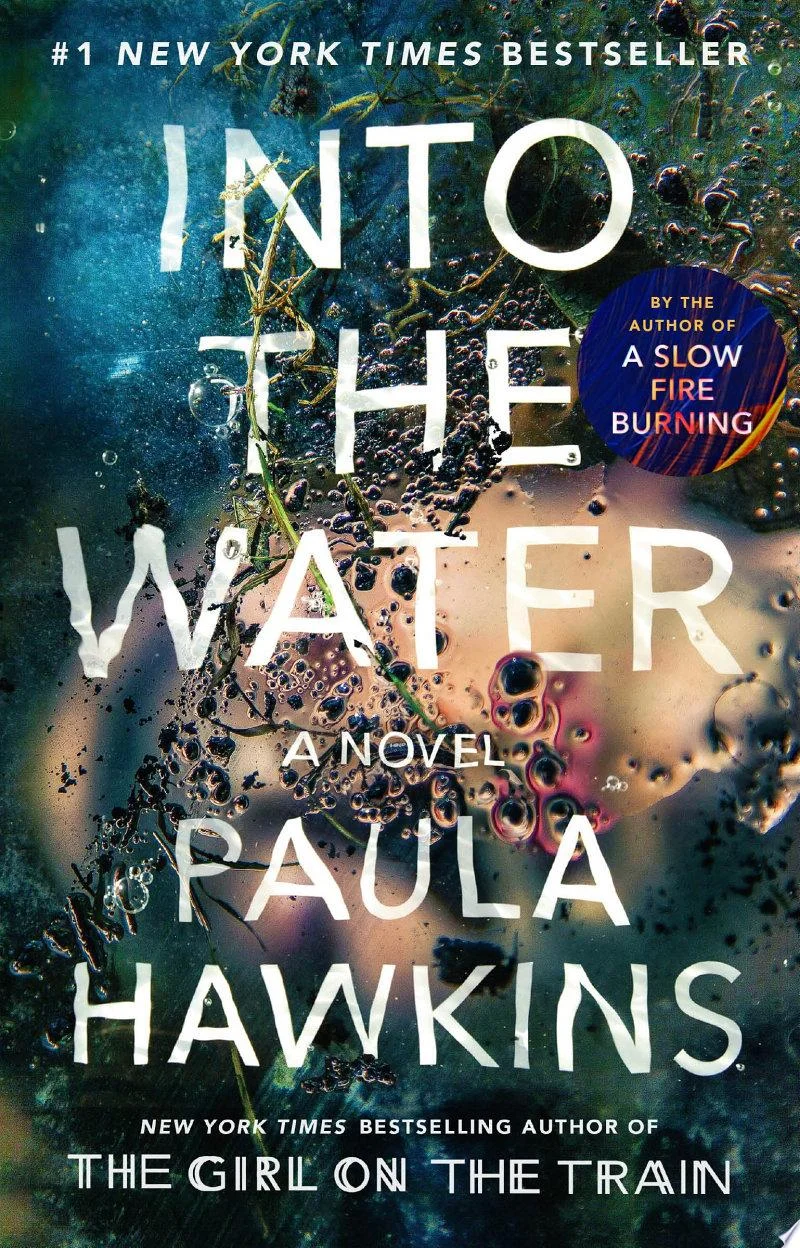
Into the Water
- Publication Date:
- May 2nd, 2017
- Publisher:
- Penguin
- ISBN-13:
- 9780735211216
- ISBN-10:
- 0735211213
- Pages:
- 326
Why Into the Water Has Been Challenged
A single school district raised concerns that the novel's unflinching treatment of suicide and the sexual abuse of a minor made it inappropriate for unsupervised teen readers. See more ↓
Challenged or banned in 1 state across 1 school district.
Overview
Paula Hawkins's third novel returns to the psychological terrain that made her debut a sensation, trading a commuter train for a river that cuts through a small town with a long, uneasy history. The story opens with a death: a single mother is pulled from the water, not long after a teenage girl met the same end there. Their deaths join a pattern stretching back generations, and the town's residents can't agree on whether the river is cursed, indifferent, or simply a convenient place to dispose of inconvenient women.
At the center of the novel is a fifteen-year-old girl, suddenly orphaned and left to the uncertain care of an aunt who left town years earlier and swore never to return. Their reunion forces both of them back into a community that has spent decades quietly managing what it remembers and what it prefers to forget.
Told through a rotating cast of narrators, the novel builds its suspense less through plot mechanics than through the unreliability of memory itself—each character's version of events shaped by guilt, self-protection, or simple human error.
Memory, Water, and the Weight of the Past
Hawkins uses the river as a structural device as much as a setting, a body of water that has absorbed the town's secrets for so long that its history and its present cannot be separated. The novel is less interested in solving a single crime than in examining how a community assigns blame to its missing and dead women, often reflexively, and how that instinct obscures the more uncomfortable truths about who actually failed them. Following the enormous success of The Girl on the Train, the book represented an attempt to broaden Hawkins's approach: a larger ensemble, a multi-generational timeline, and a mystery rooted in a place rather than a single damaged narrator. Critical reception was mixed on execution but consistent in noting Hawkins's facility for unease—the sense that calm surfaces conceal currents nobody wants to name.
Why Into the Water Has Been Challenged
A parent complaint that led to the book's removal from a campus library argued that its content was too mature and disturbing for the high school students who had access to it, pointing to the novel's depictions of suicide, drowning, and the sexual exploitation of a teenage character as material that required parental gatekeeping rather than open shelf access. The novel's frank handling of death by suicide and the abuse of minors has been the recurring thread in the objections it has drawn, which treat the book's psychological darkness as a reason to restrict rather than simply label it. Across the catalog tracked here, the book has been the subject of a challenge in 1 state and 1 district, reflecting a narrow but pointed concern about its suitability for younger readers rather than a broad campaign against the title.
Where to Buy




Affiliate links may generate a small commission at no extra cost to you, which helps support this site.
Banned in Schools
Banned or challenged in 1 state across 1 school district.
Florida 1 district
- Escambia County Public Schools Banned pending investigation