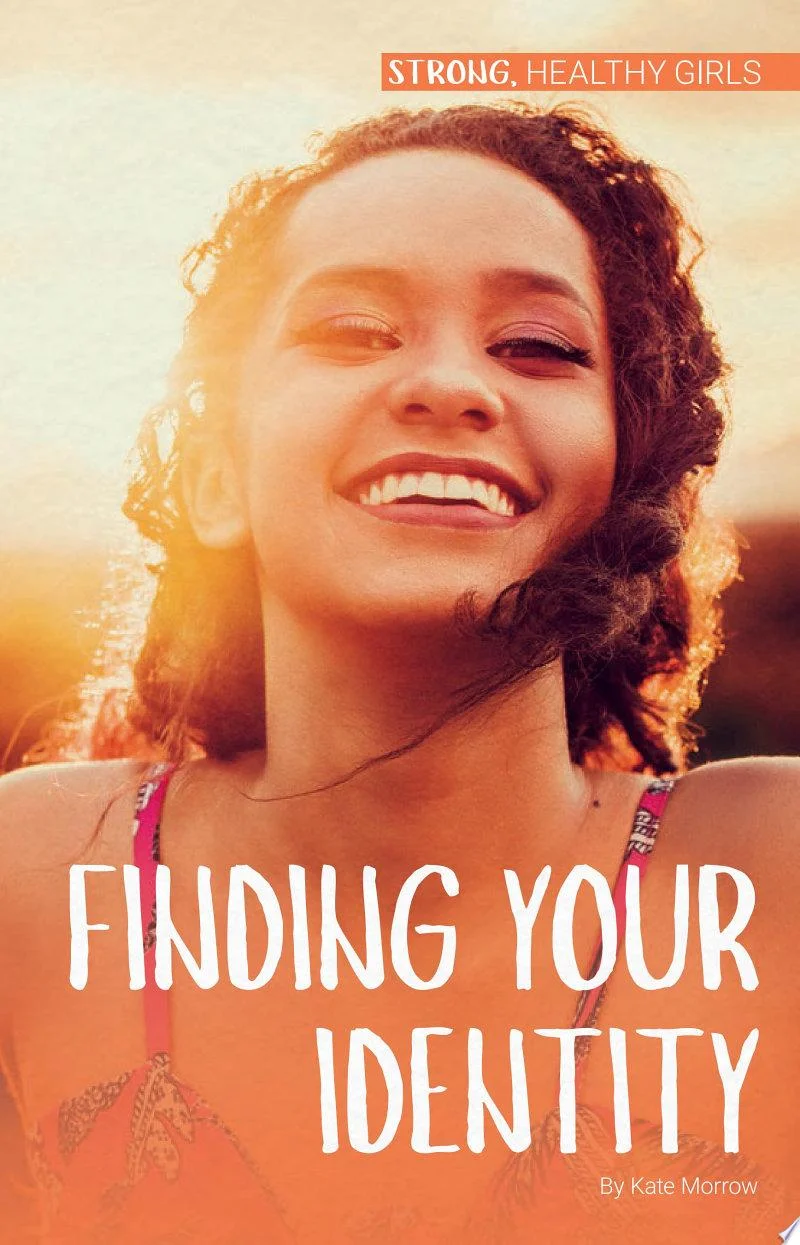
Finding Your Identity
by Kate Morrow
- Publication Date:
- December 15th, 2020
- Publisher:
- ABDO
- ISBN-13:
- 9781098210076
- ISBN-10:
- 1098210077
- Pages:
- 115
Why Finding Your Identity Has Been Challenged
Some parents have objected not to anything graphic in the text but to its premise—that identities outside the conventional mold belong in a straightforward discussion of normal teen development rather than being singled out as a sensitive exception. See more ↓
Challenged or banned in 1 state across 1 school district.
Overview
Finding Your Identity is a nonfiction guide aimed at teen readers navigating the often confusing process of figuring out who they are. Rather than telling readers what to think, author Kate Morrow walks through the mechanics of identity formation: how values take shape, how beliefs get tested against outside pressure, and how young people come to understand parts of themselves that don't match what's expected of them.
The book is structured as a practical resource more than a narrative one. An "ask the expert" feature invites outside perspective on common adolescent questions, while sections on healthy habits connect emotional and physical well-being to the broader project of self-understanding. A glossary and list of additional resources point readers toward further support, and the whole text is built around state and Common Core curricular alignment, suggesting a book meant as much for classroom use as for independent reading.
In tone, the book reads less like persuasion and more like orientation—a reference a teenager might return to repeatedly rather than read straight through.
A Reference Point for a Universal Adolescent Task
Identity formation is one of the most studied aspects of adolescent development, and Finding Your Identity situates itself squarely within that territory rather than within fiction or memoir. Its interest lies less in any single story than in giving readers a vocabulary and framework for a process every teenager goes through in some form—sorting inherited beliefs from chosen ones, and figuring out which parts of a developing self to hold onto under social pressure.
What makes the book notable within its genre is its explicit inclusion of identities "outside the norm" as a category worth naming rather than avoiding. Many identity-development resources for teens default to a narrow, conventional model of adolescence; by naming a wider range of possible selves as part of the normal developmental landscape, the book positions itself as inclusive reference material rather than a guide built around a single assumed reader.
As a curriculum-aligned title from an educational imprint, it also occupies a particular niche: library and classroom nonfiction meant to supplement health, advisory, or social-emotional learning curricula rather than stand alone as recreational reading.
Why Finding Your Identity Has Been Challenged
A parent raised the book with a school library committee on the grounds that its discussion of identities falling outside traditional norms amounted to the school endorsing a particular viewpoint on gender and sexuality rather than simply informing students, and asked that the title be reviewed for age-appropriateness before remaining on open shelves. The complaint centered less on any explicit content than on the premise that acknowledging non-traditional identities as a normal developmental outcome was itself the problem—an argument about what a school-endorsed resource should affirm, rather than about language or imagery in the text.
Underlying this kind of objection is a broader disagreement over whether adolescent identity development should be presented to students as encompassing a range of possible outcomes, including ones a given family might not endorse, or whether such material should defer entirely to parental or community judgment on the subject. Because the book frames diverse identities as unremarkable rather than as a topic requiring special caution, it has drawn scrutiny from those who view that framing as values-laden rather than neutral. This title has been challenged in 1 state and 1 district tracked in this catalog.
Where to Buy




Affiliate links may generate a small commission at no extra cost to you, which helps support this site.
Banned in Schools
Banned or challenged in 1 state across 1 school district.