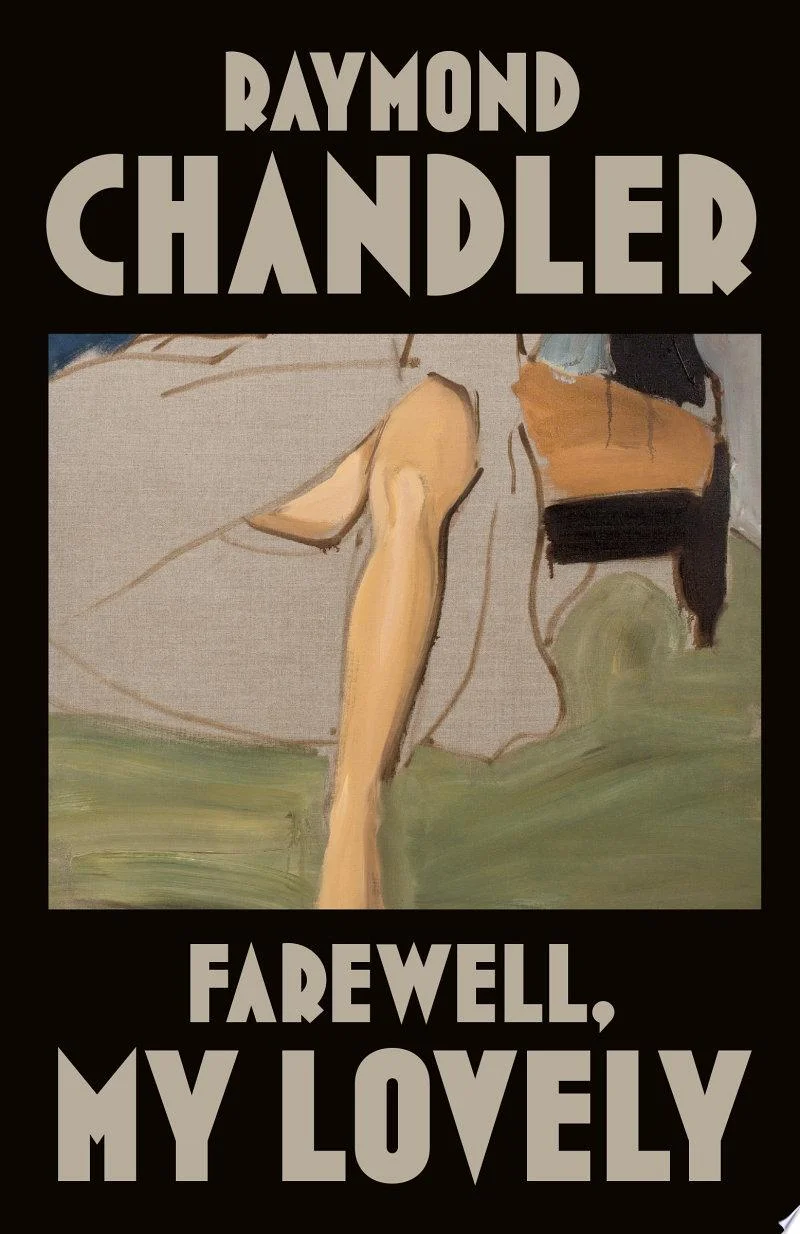
Farewell, My Lovely
- Publication Date:
- June 11th, 2002
- Publisher:
- Vintage Crime/Black Lizard
- ISBN-13:
- 9781400030163
- ISBN-10:
- 1400030161
- Pages:
- 300
Why Farewell, My Lovely Has Been Challenged
Some readers have pushed back on the novel's frank depiction of vice and violence as unsuitable material for younger or more sheltered audiences. See more ↓
Challenged or banned in 1 state across 1 school district.
Overview
Raymond Chandler's second Philip Marlowe novel begins with the detective sidetracked from an unremarkable job by a chance encounter: a hulking ex-convict named Moose Malloy, freshly out of prison and searching for a woman he loved years earlier. What starts as an act of bystander curiosity quickly pulls Marlowe into far deeper trouble than he bargained for.
The search for Malloy's lost love intersects with a seemingly unrelated case involving a stolen jade necklace, and the two threads twist together into a single, sprawling conspiracy. Along the way Marlowe crosses paths with crooked cops, a spiritualist running a lucrative racket, and a cast of grifters and killers who populate the seedier corners of Los Angeles.
Bodies accumulate as Marlowe follows the case from cheap bars to the mansions of the wealthy, exposing how thin the line is between the city's criminal underworld and its respectable society. The novel moves at a restless clip, trading procedural neatness for atmosphere, wisecracking dialogue, and a mounting sense that no one Marlowe meets is entirely what they claim to be.
A City Examined Through Its Underside
Chandler's novel is less interested in solving a puzzle than in mapping a place. Los Angeles emerges as a city of surfaces, where wealth, law enforcement, and organized vice are entangled rather than opposed, and where Marlowe's wandering investigation becomes a means of walking the reader through every social stratum the city contains. The fortune-teller subplot, in particular, lets Chandler needle at the credulity and desperation that con artists exploit, while the jewel-theft plot exposes how easily money launders reputation.
The book helped cement the private-eye archetype that later crime fiction and film noir would build on: a narrator who is compromised by the world he investigates but retains a personal code even as institutions around him fail to. That tension between a flawed setting and an uncorrupted observer has kept the novel in print for decades and made Marlowe one of the most enduring figures in American genre fiction, inspiring numerous adaptations across film and television.
Why Farewell, My Lovely Has Been Challenged
A novel praised for its atmosphere and its unflinching portrait of urban corruption can, at the same time, draw objections precisely because of that same frankness. Critics have long admired Chandler's willingness to render violence, moral compromise, and the underworld without sanitizing them, but that same directness is what has drawn scrutiny from those who encounter the book outside the context of its literary reputation.
The objections center on the novel's violent content, including the string of murders that structure its plot, and its casual treatment of drinking, corruption, and criminal enterprise as ordinary features of the world Marlowe inhabits. Some readers have also taken issue with attitudes and language reflective of the era in which the book was written, which can read as dated or insensitive by later standards. Within this catalog, the novel has been the subject of a challenge tracked in 1 state and 1 district.
Where to Buy




Affiliate links may generate a small commission at no extra cost to you, which helps support this site.
Banned in Schools
Banned or challenged in 1 state across 1 school district.
Florida 1 district
- Orange County Public Schools Banned pending investigation