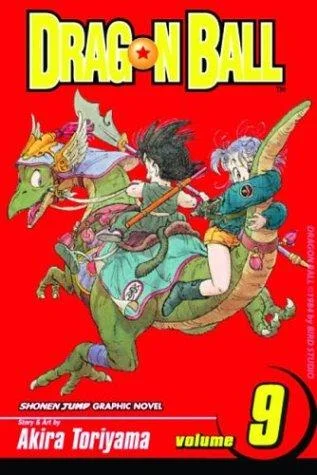
Dragon Ball, Vol. 9
- Publication Date:
- January 1st, 2003
- ISBN-13:
- 9781569319284
- ISBN-10:
- 1569319286
Why Dragon Ball, Vol. 9 Has Been Challenged
Critics have taken issue with a mismatch between the book's kid-friendly cartoon look and comic material they consider too crude and suggestive for the young readers it appears to target. See more ↓
Challenged or banned in 2 states across 2 school districts.
Overview
Dragon Ball, Vol. 9 continues Akira Toriyama's sprawling manga saga following Son Goku from scrappy childhood adventurer toward the martial arts prodigy he becomes across the series. By this point in the story, the tone has settled into the blend that made the franchise a global phenomenon: slapstick comedy sitting shoulder to shoulder with tournament-style combat and quests that send its cast across a fantastical, loosely feudal version of Japan.
Toriyama's artwork carries much of the storytelling weight here, favoring exaggerated expressions, dynamic fight choreography, and visual gags over dense narration. Readers who have followed the series from its earlier volumes will recognize the recurring rhythm of training, travel, and confrontation that structures this stretch of the story.
As with the rest of the series, the volume is aimed squarely at entertainment rather than moral instruction, trusting its young protagonists' mix of naivety and bravado to carry readers through episodic conflicts.
A Landmark of Shonen Manga
Dragon Ball occupies a foundational place in the history of manga's popularity outside Japan, helping introduce Western readers to the pacing and visual grammar of shonen serials and paving the way for the manga boom that followed in American bookstores and libraries. Toriyama's ability to fuse gag-comic timing with earnest adventure storytelling became a template that countless later series would draw on.
Critical and fan reception of the series has remained largely affectionate over the decades, with this middle stretch of volumes often singled out for its inventive fight sequences and comic set pieces. At the same time, the manga's origins in a more permissive Japanese publishing tradition — where humor aimed at children could include a degree of crude or risque material unusual for American children's and middle-grade shelves — have made it a recurring subject of debate as libraries decide where and how to shelve translated manga for young readers.
Why Dragon Ball, Vol. 9 Has Been Challenged
Elementary and middle-school-aged readers are the audience most often invoked in objections to this volume, with critics arguing that its comic asides are pitched well below the maturity needed to process them appropriately. The recurring complaint centers on the series' willingness to mine humor from nudity, innuendo, and crude bodily jokes, delivered in a cartoon style that some parents and librarians feel makes the material look more child-appropriate than its content actually is. Reviewers raising concerns have also pointed to the volume's fight scenes, arguing that even lightly stylized violence can be jarring when paired with a book design and shelving location aimed at grade-school readers.
The core tension in these objections is one of packaging versus content: because the artwork and premise read as juvenile, some challengers argue the book invites young readers in before delivering material better suited to an older audience, while defenders counter that the humor is broad slapstick rather than genuinely explicit. That disagreement has been enough to generate challenges tracked in two states and two districts within this catalog, generally originating from parents or committees reviewing school and public library graphic novel collections.
Where to Buy




Affiliate links may generate a small commission at no extra cost to you, which helps support this site.
Also by Akira Toriyama
Banned in Schools
Banned or challenged in 2 states across 2 school districts.
Florida 1 district
Tennessee 1 district
- Knox County Schools Banned