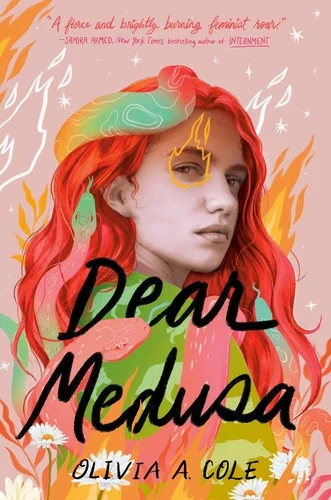
Dear Medusa : (a Novel in Verse)
- Publication Date:
- January 1st, 2023
- ISBN-13:
- 9780593485743
- ISBN-10:
- 0593485742
Why Dear Medusa : (a Novel in Verse) Has Been Challenged
Critics have pushed back on this novel in verse for confronting sexual assault and its aftermath with a directness some argue no teenage reader should encounter in a school setting. See more ↓
Challenged or banned in 2 states across 2 school districts.
Overview
Olivia A. Cole's Dear Medusa is a novel in verse that follows a teenage girl coming to terms with sexual violation and the silence that so often surrounds it. Written as a sequence of poems, the book borrows its title and its central image from the Gorgon of Greek myth, a figure historically cast as monstrous but reimagined here as a stand-in for a girl punished and disbelieved after being harmed.
Cole uses the spare, fragmented architecture of verse to trace her narrator's interior life: the confusion that follows trauma, the way blame gets redirected toward victims, and the slow, uneven work of finding language for an experience that resists easy telling. The form itself becomes part of the story, with white space and broken lines standing in for what the narrator cannot yet say aloud.
Rather than offering a tidy arc of recovery, the book sits with anger, shame, and the complicated process of reclaiming one's own narrative from people and institutions inclined to look away.
Myth, Voice, and Reclamation
The Medusa figure has become a familiar touchstone in contemporary writing that examines sexual violence, precisely because her myth already contains the dynamic many survivors describe: a woman transformed into something feared and reviled after being the one who was wronged. Cole's invocation of that story situates her narrator within a much older pattern of blaming the harmed party, while also gesturing toward the possibility of turning that same reputation for monstrousness into a source of strength.
The book sits within Cole's broader body of young adult fiction, which frequently centers Black girls navigating identity, injustice, and self-definition in worlds not built to hear them. Dear Medusa extends that preoccupation into the specific terrain of sexual trauma, joining a wave of verse novels that have pushed young adult literature toward more direct engagement with assault, consent, and the aftermath of violation, rather than treating these subjects at a remove.
Why Dear Medusa Has Been Challenged
Most objections to the book point to its placement with readers in roughly the ninth through twelfth grades, arguing that the frankness of its subject matter outpaces what critics consider appropriate even for an older teenage audience. The central concern is the book's direct treatment of sexual assault: its depiction of the assault itself, the narrator's physical and emotional response in its wake, and the language she uses to describe both. Some challengers have characterized these passages as sexually explicit content rather than literary treatment of trauma, and have argued that the material belongs outside school libraries entirely rather than being left to teachers' or librarians' discretion. Others have objected to the book's unflinching portrayal of victim-blaming and institutional failure, suggesting that its candor about how adults and peers mishandle disclosures of assault is itself too bleak or destabilizing for teenage readers. The book has drawn formal challenges in two states and two districts tracked in this catalog, with objections generally framed around protecting younger readers from graphic content rather than disputing the book's literary or thematic aims.
Where to Buy




Affiliate links may generate a small commission at no extra cost to you, which helps support this site.
Banned in Schools
Banned or challenged in 2 states across 2 school districts.
Texas 1 district
Virginia 1 district
- King George County Schools Banned by Restriction