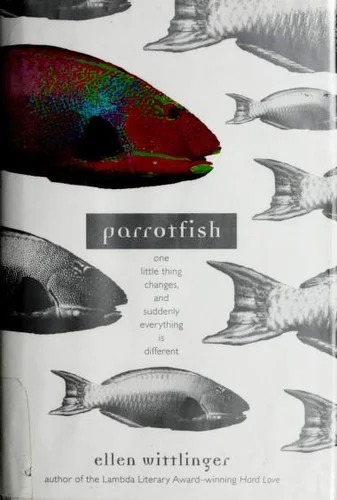
Parrotfish
- Publication Date:
- July 10th, 2007
- Publisher:
- Simon & Schuster Children's Publishing
- ISBN-13:
- 9781416916222
- ISBN-10:
- 1416916229
- Pages:
- 304
Why Parrotfish Has Been Challenged
Some parents and school boards have sought to limit this title over discomfort with a young protagonist's gender transition being presented as a normal, sympathetic part of growing up. See more ↓
Challenged or banned in 1 state across 1 school district.
Overview
Ellen Wittlinger's novel follows Grady, a high school junior who begins the school year by telling his family and classmates that he is a boy, after years of being known as Angela. The story unfolds largely in the ordinary textures of adolescence — classes, holidays, a part-time job, family dinners — rather than in a single dramatic turning point, as Grady figures out how to be himself in a school where everyone already has an opinion about who he used to be.
Much of the narrative tension comes from the reactions around him: a younger sister caught between loyalty and embarrassment, parents who love him but are still catching up, and classmates who range from curious to cruel to quietly kind. A biology-class digression about parrotfish, which can change sex over the course of their lives, gives the book its title and becomes a small, recurring touchstone for Grady as he looks for language to describe his own experience.
Wittlinger keeps the tone grounded and often wry rather than tragic, following Grady through small victories and setbacks as he tests out a new name, new pronouns, and a more honest version of his social life.
A Story of Firsts
Published in the mid-2000s, Parrotfish arrived when transgender characters were still rare in young adult fiction, and it is frequently cited as one of the earliest YA novels to put a transgender teenager at the center of his own coming-of-age story rather than as a side character or a problem to be solved. The book treats Grady's identity as settled from the outset; the drama lies not in whether he is really a boy, but in how the people around him — and the institutions of school and family — adjust to that fact.
That structural choice places the book within a broader shift in adolescent literature toward narratives that normalize queer and trans experience as one thread among the many ordinary concerns of teenage life: friendship, crushes, sibling rivalry, and the awkwardness of being watched by people who think they already know your story. Read today, the novel is often discussed less for breaking new literary ground stylistically and more for its historical role in opening space for the wider range of transgender-authored and transgender-centered YA fiction that followed it.
Why Parrotfish Has Been Challenged
Much of the friction around this book centers on where, and for whom, it belongs on a shelf — whether a story about a teenager's gender transition is appropriate for the younger end of a middle or high school readership, or better reserved for older students or kept out of school collections altogether. Beneath that placement question sits a more direct objection: some parents and administrators have argued that the book's sympathetic, matter-of-fact treatment of Grady's transition amounts to an endorsement of a topic they believe schools should not be presenting to minors without parental involvement, rather than simply depicting it.
Other objections focus on specific content, including references to bullying, locker-room and bathroom conflicts tied to Grady's gender, and passing references to sexuality that some reviewers consider too frank for a school library audience. Supporters of keeping the book available counter that these same scenes are what give transgender students a rare mirror and give other students a window into an experience they may otherwise only encounter secondhand. In this catalog, Parrotfish has been documented as challenged or restricted in 1 state and 1 school district.
Where to Buy




Affiliate links may generate a small commission at no extra cost to you, which helps support this site.
Banned in Schools
Banned or challenged in 1 state across 1 school district.