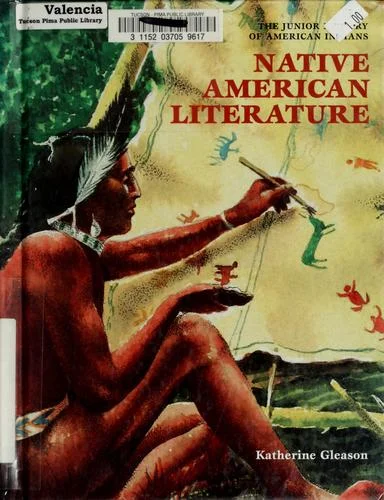
Native American literature
- Publication Date:
- January 1st, 1997
- Publisher:
- Chelsea House Publishers
- ISBN-13:
- 9780791024782
- ISBN-10:
- 0791024776
- Pages:
- 79
Why Native American literature Has Been Challenged
Some parents and administrators have questioned whether a young audience is prepared to weigh unfamiliar spiritual and historical perspectives against the versions of American history taught elsewhere in the curriculum. See more ↓
Challenged or banned in 1 state across 1 school district.
Overview
Katherine Gleason's survey approaches Native American literature as a doorway rather than a destination, gathering voices from many nations and eras to show readers what these writers have made of memory, land, and identity. Rather than treating "Native American literature" as a single tradition, the book moves across distinct communities, each with its own storytelling conventions and relationship to written English.
The book is structured to orient newcomers: short biographical sketches, historical framing, and excerpts or summaries of representative works sit alongside discussion of the oral traditions that predate and continue to inform written literature. Gleason pays attention to how authors navigate writing for audiences both inside and outside their own communities.
Throughout, the emphasis falls on worldview as much as biography — how concepts of time, kinship, and the natural world shape narrative choices that differ from the conventions readers may expect from mainstream American literature.
A Literature Shaped by Survival and Translation
Much of what makes this collection distinctive is its insistence that Native American writing cannot be separated from the historical pressures under which it was produced — forced removal, boarding schools, and policies designed to erase language and custom. Gleason frames literary output as an act of continuity, a way communities have preserved knowledge that colonial institutions actively tried to sever.
The book also sits within a broader, decades-long effort in educational publishing to move Native American history out of a single unit taught from an outsider's perspective and into direct contact with Native voices. That shift places the collection alongside other efforts to diversify reading lists, and it accounts for both the enthusiasm of some educators and the wariness of others encountering unfamiliar material for the first time.
Why Native American Literature Has Been Challenged
Passages describing tribal spiritual practices, creation stories, and ceremonial life have drawn the closest scrutiny, particularly when presented without extensive contextual framing for younger readers. Some objectors have argued that these sections introduce religious or cosmological content that competes with students' own belief systems, or that the book's historical material — covering displacement, broken treaties, and cultural suppression — paints federal and state institutions in an unflattering light. Others have raised concerns less about specific content than about placement, questioning whether the book belongs in a particular grade-level curriculum at all. The record in this catalog shows the title challenged in one state and one school district, reflecting a narrow but persistent pattern of concern rather than widespread rejection.
Where to Buy


Affiliate links may generate a small commission at no extra cost to you, which helps support this site.
Banned in Schools
Banned or challenged in 1 state across 1 school district.
Tennessee 1 district
- Monroe County Schools Banned