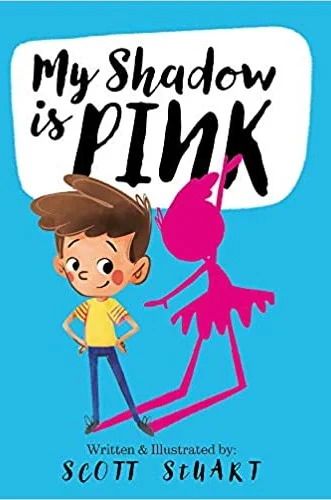
My Shadow Is Pink
by Scott Stuart
- Publication Date:
- January 1st, 2020
- Publisher:
- Larrikin House
- ISBN-13:
- 9780648728764
- ISBN-10:
- 0648728765
- Pages:
- 32
Why My Shadow Is Pink Has Been Challenged
A picture book that frames a boy's love of "girl" things as something to be embraced rather than corrected has drawn objection from those who see it as pushing a viewpoint on gender that young children shouldn't be handed. See more ↓
Challenged or banned in 1 state across 1 school district.
Overview
Scott Stuart's "My Shadow Is Pink" is a rhyming picture book about a boy whose interests run toward princesses, fairies, and dress-up rather than the games and toys typically marketed to boys. Stuart, drawing on his experience raising his own son, casts these interests as a "pink shadow" the boy carries with him and sometimes feels pressure to conceal.
The turning point in the story comes through the boy's father, who reassures him that shadows come in every color and that hiding one's own does more harm than good. The narrative moves from a child's private worry toward a quiet family reconciliation, using the shadow as a recurring image for the parts of identity a person might be tempted to suppress.
The book is aimed at very young readers and the adults who read alongside them, using simple, musical language rather than didactic explanation to carry its message.
A Father-Son Story With a Wider Message
What distinguishes "My Shadow Is Pink" from many books addressing similar territory is its narrow focus on a single relationship: a father learning to affirm a son whose preferences don't match convention. The book is less concerned with defining or explaining gender identity in the abstract than with modeling a particular response to difference — curiosity and warmth rather than correction.
That framing places the book within a broader current in contemporary children's publishing that pairs simple, rhyming formats with themes of self-acceptance, extending a genre long used for lessons about kindness or honesty into newer territory. Its reception has split along familiar lines: some educators and reviewers have praised it as an accessible entry point for conversations about difference and empathy, while others have treated its premise itself as the point of contention, independent of how the story is executed.
Why My Shadow Is Pink Has Been Challenged
The image at the center of the book — a boy whose "pink shadow" marks him as different, and a father who tells him not to hide it — is also the image that has drawn scrutiny. Because the story treats the boy's interests as something to be accepted rather than redirected, some parents and challengers have read it as advancing a particular position on gender roles and identity, rather than presenting a neutral story about individuality.
Much of the objection centers on audience and intent: critics argue that a picture book format, aimed at children too young to weigh competing views, is not a neutral vehicle for a topic they consider unsettled or better left to parents to introduce on their own terms. Others have objected to its presence in school libraries or classroom read-alouds specifically, arguing that shared educational settings are a different context than a home bookshelf. This book has been challenged or banned in 1 state and 1 district tracked in this catalog, reflecting a narrower but pointed pattern of objection focused on its treatment of gender nonconformity in young children.
Where to Buy




Affiliate links may generate a small commission at no extra cost to you, which helps support this site.
Banned in Schools
Banned or challenged in 1 state across 1 school district.