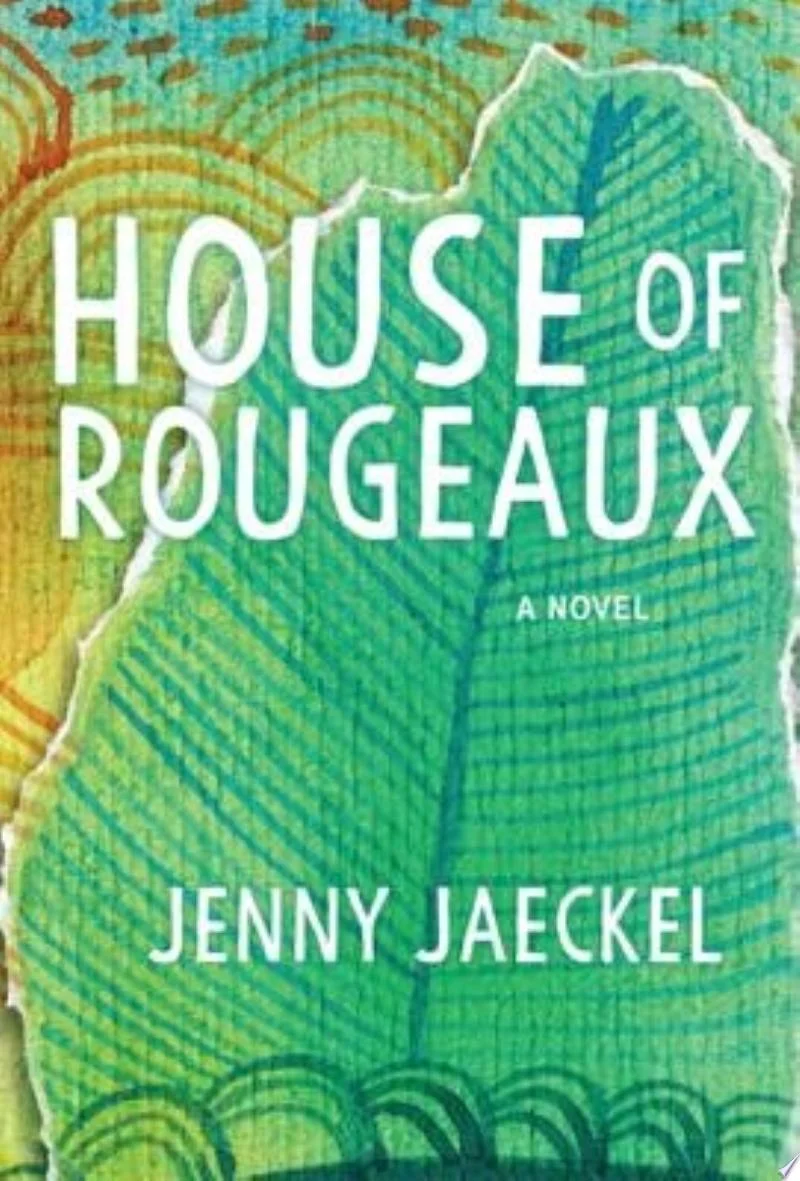
House of Rougeaux
- Publication Date:
- April 24th, 2018
- Publisher:
- Raincloud Press
- ISBN-13:
- 9781941203262
- ISBN-10:
- 1941203264
- Pages:
- 292
Why House of Rougeaux Has Been Challenged
Critics have taken issue with the novel's graphic opening violence and its sustained, unsentimental focus on the brutal realities of slavery across generations. See more ↓
Challenged or banned in 1 state across 1 school district.
Overview
Jenny Jaeckel's House of Rougeaux begins in the slave quarters of a Martinique sugar plantation, where siblings Abeje and Adunbi are raised under their mother's watchful protection. A single night of violence leaves them without parents, and the bond between brother and sister becomes the foundation on which an entire family line is built.
From that point, the novel widens its lens across nearly two hundred years, following descendants of the Rougeaux family as they inherit not only blood ties but patterns of resilience shaped by what came before them. Each section shifts focus to a different family member, gradually assembling a larger portrait the way individual pieces reveal a finished mosaic.
The narrative structure eventually circles back to its starting point, closing the distance between the family's origins and its present. Rather than following one continuous plot, the book accumulates meaning through its parts, trusting readers to carry threads of memory and inheritance from one generation's story into the next.
Family, Memory, and Inherited Strength
House of Rougeaux is less interested in a single protagonist's arc than in the way trauma and resilience travel through a bloodline. Jaeckel moves between historical fiction, folklore, and elements of mysticism, suggesting that the family's survival depends on more than individual will — it draws on spiritual inheritance and collective memory as much as on circumstance.
The novel's structure, built from linked generational portraits rather than a single throughline, places it alongside other multigenerational family sagas that use fragmented chronology to mirror how history is actually passed down: unevenly, through story and instinct rather than complete record. Its attention to gender and race across different historical periods situates the Rougeaux family's experience within broader systems, while keeping the focus intimate and personal. The book has been noted for the way it balances an unflinching account of plantation-era violence with a persistent emphasis on healing, framing endurance itself as a form of inheritance passed between generations.
Why House of Rougeaux Has Been Challenged
A complaint brought before a district review committee centered on the book's opening chapters, arguing that the depiction of violence against enslaved children was too graphic for the age group with access to it and that the material belonged in a more restricted section of the library, if it remained available at all. The concern focused specifically on the scene that leaves Abeje and Adunbi orphaned, which the complainant described as disturbing without, in their view, sufficient context for younger readers to process it appropriately.
Broader objections raised in the same review touched on the novel's unflinching treatment of slavery and systemic brutality, with some reviewers questioning whether its frank historical content was suitable for school shelves. Others pointed to its handling of sexuality and gender across different time periods as material requiring parental discretion rather than open access. The book has been formally challenged in 1 school district within 1 state tracked in this catalog, reflecting a localized rather than widespread pattern of objection.
Where to Buy




Affiliate links may generate a small commission at no extra cost to you, which helps support this site.
Banned in Schools
Banned or challenged in 1 state across 1 school district.