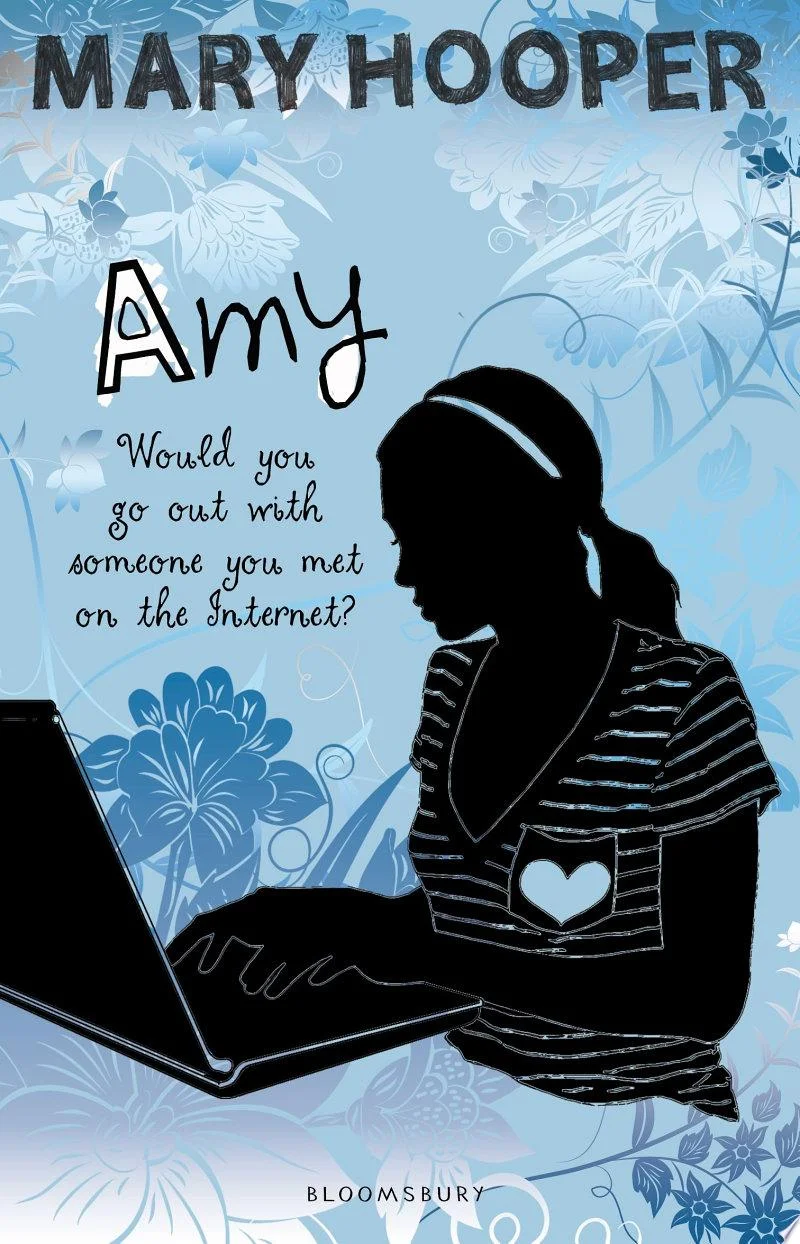
Amy
by Mary Hooper
- Publication Date:
- October 11th, 2012
- Publisher:
- A&C Black
- ISBN-13:
- 9781408836682
- ISBN-10:
- 1408836688
- Pages:
- 127
Why Amy Has Been Challenged
Some adults have questioned whether a story depicting the tactics of online predators, however cautionary its intent, belongs in the hands of younger readers. See more ↓
Challenged or banned in 1 state across 1 school district.
Overview
Amy follows its title character as an ordinary habit — chatting with someone she's met online — gradually tightens into a situation she can't easily back out of. Mary Hooper builds the story around the small, recognizable choices that make up a teenager's digital life: the messages that feel private, the compliments that feel flattering, the sense that a screen name on the other end is someone trustworthy because he says so.
Rather than framing its subject as an abstract warning, the novel stays close to Amy's point of view, tracking how her judgment is worn down by patience, attention, and small deceptions rather than by any single dramatic moment. The pacing mirrors real grooming dynamics, where danger accumulates quietly before it becomes undeniable.
The book's ending brings consequences without turning the story into melodrama, leaving readers with a portrait of vulnerability rather than a simple morality tale.
Context and Reception
Hooper is known for contemporary YA fiction that takes on difficult, often uncomfortable subjects with a reporter's attention to plausible detail, and Amy fits squarely within that body of work. Published at a moment when home internet access and early social platforms were reshaping how teenagers formed relationships outside parental oversight, the novel reads as a snapshot of a specific cultural anxiety: that the internet had quietly become a place where adults could reach children without ever entering a room their parents could see.
What distinguishes the book from more sensational treatments of the same fear is its restraint. It is less interested in shocking its readers than in walking them, step by plausible step, through how an intelligent, otherwise sensible girl ends up somewhere she never intended to go. That approach has made it a frequent recommendation in discussions of internet-safety literature for young readers, valued less as entertainment than as a kind of rehearsal for recognizing warning signs in real life.
Why Amy Has Been Challenged
Most objections to this title center less on whether the story has value than on where it belongs on a shelf — specifically, whether its subject matter is appropriate for the younger end of the age range that might pick it up. Because the narrative requires depicting the methods an online predator uses to gain a young person's trust, some readers have found the material too explicit or too unsettling for middle-grade or early-teen collections, even when the book's ultimate purpose is cautionary rather than exploitative.
The underlying tension is one familiar to many challenged books about predatory behavior: the same realism that gives the story its protective, educational value is also what makes some adults uncomfortable with placing it in easy reach of children. Records in this catalog show the book has drawn formal challenges in 1 state and 1 district, reflecting a narrow but real disagreement over whether frank depictions of online grooming serve young readers or expose them to ideas and scenarios they are not yet ready to process.
Where to Buy




Affiliate links may generate a small commission at no extra cost to you, which helps support this site.
Banned in Schools
Banned or challenged in 1 state across 1 school district.
Tennessee 1 district
- Monroe County Schools Banned