Patricia McCormick
3 titles banned

About Patricia McCormick
Patricia McCormick was born on May 23, 1956. Before becoming a novelist, she worked as a journalist, contributing to the New York Times, Ladies Home Journal, Town & Country, and Reader's Digest. She studied at Rosemont College, earned a master's degree in journalism from Columbia University, and completed an MFA in writing at the New School in 1999. She lives in New York City.
McCormick's fiction is rooted in intensive firsthand research. For Sold, she traveled to brothels in India and mountain villages in Nepal to interview survivors of sex trafficking. For Never Fall Down, she spent a month in Cambodia with Arn Chorn-Pond, a Khmer Rouge genocide survivor who was forced to play music while people were executed around him. Her goal is not shock value—it is bearing witness, giving literary form to lives that would otherwise remain invisible to American readers.
Her Most Challenged Work
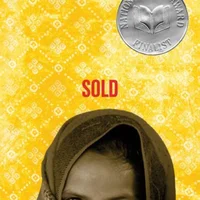
Sold (2006) is a verse novel told from the perspective of a thirteen-year-old Nepali girl sold into sex slavery by her stepfather. It was a National Book Award finalist and has been recognized by the American Library Association as an essential work for young adults. Challenges to the book in school districts have cited its subject matter—prostitution, abuse, poverty—without acknowledging that the book's explicit purpose is to illuminate the human cost of trafficking, and that its protagonist is a survivor rather than a victim.
Cut (2000), McCormick's debut novel about a teenage girl who self-harms, was named an ALA Best Book for Young Adults in 2002. It remains one of the most widely read YA novels addressing self-injury, valued by mental health educators and counselors for its authentic, non-glamorized portrayal.
A Writer Who Goes Where the Story Lives
Never Fall Down (2012), based on Arn Chorn-Pond's survival through the Cambodian genocide, became McCormick's second National Book Award finalist. The same year, she collaborated with Malala Yousafzai on a biography for younger readers. In 2008, she received the Gustav-Heinemann Peace Prize in Germany, awarded to books that promote peace and human rights.
McCormick's novels are challenged because they tell the truth. They put readers inside experiences of exploitation and survival that most American students will never encounter firsthand—and that is exactly why librarians, educators, and human rights advocates continue to fight for them.