Ellen Hopkins
20 titles banned
About Ellen Hopkins
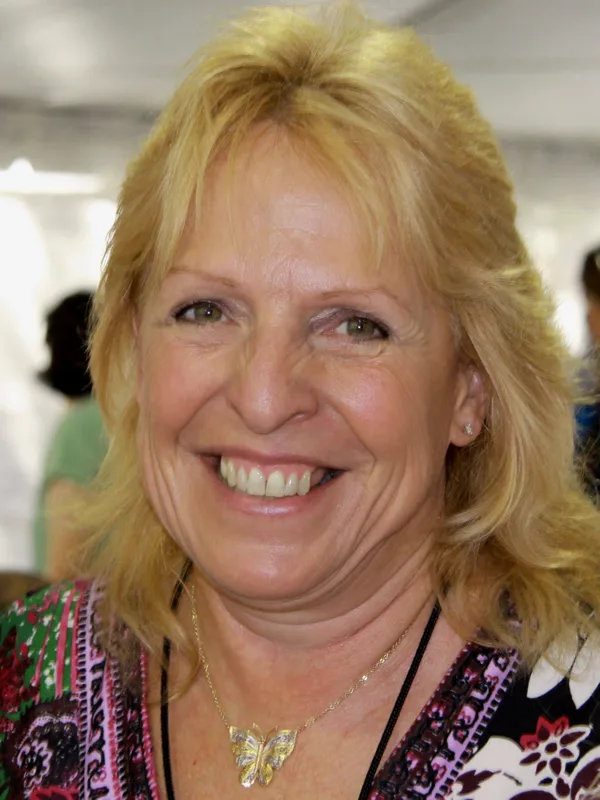
Ellen Hopkins was born on March 26, 1955, in Long Beach, California. She studied journalism at Crafton Hills College and UC Santa Barbara before leaving school to raise a family. She began her writing career in 1990, initially publishing children's nonfiction before moving to the verse novels for which she is now known. She lives in northern Nevada with her husband.
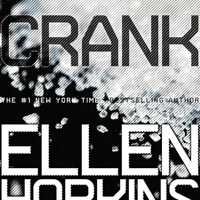
Hopkins's fiction emerged from a family crisis: her daughter Cristal's descent into methamphetamine addiction. Unable to stay silent about what she had witnessed, Hopkins transformed that lived experience into verse—long-form, free verse poetry structured as a novel—a form she found could carry the weight and rhythm of trauma in a way that prose could not. The resulting book, Crank, published in 2004, launched one of the most challenged series in American literary history.
The Crank Trilogy
Crank (2004), Glass (2007), and Fallout (2010) follow Kristina Snow—a fictionalized version of Hopkins's own daughter—through addiction, prostitution, incarceration, and the lasting consequences that ripple into the next generation. The trilogy is unflinching: Hopkins writes not to titillate but to document, to make the reality of addiction impossible to look away from. Crank appeared on the ALA's most challenged books list for 2010, and the full trilogy has been removed from school and public libraries in multiple states.
In 2022, the Alpine (Utah) School District banned five Hopkins novels under HB 374, one of the broadest single-author removals in recent history. Across the ALA's comprehensive data for 2010–2019, four of her titles appear in the top 100 most banned books: Crank (#38), Burned (#83), Glass (#86), and Tricks (#98).
Why Her Work Is Challenged
Critics object to Hopkins's graphic depictions of drug use, sexual content, and violence. But her defenders—librarians, educators, addiction counselors, and the young readers themselves—note that her books are doing something rare in American YA fiction: they are telling the truth about what happens when a teenager gets caught in the machinery of addiction. The verse form, often cited by opponents as gratuitous, is integral to the experience—the fragmented lines mirroring the fractured thinking of a mind under chemical siege.
Recognition and Legacy
Hopkins received the Silver Pen Award from the Nevada Writers Hall of Fame in 2006 and was formally inducted in 2015. Her books have sold millions of copies and have been translated into multiple languages. For readers who have lived through addiction—their own or a family member's—her verse novels function as both mirror and lifeline. That is a function that no ban has ever managed to extinguish.